
When we talk about an artificial ecosystem, a human-designed system that simulates natural processes like nutrient cycling, energy flow, or species interaction. Also known as engineered ecosystem, it’s often used in labs, greenhouses, or even space missions to study how life survives under controlled conditions. But here’s the thing—most of these systems are isolated, sterile, and built for observation, not for lasting impact. Real communities don’t work that way. They’re messy, alive, and full of people showing up week after week to clean parks, grow food, or teach kids about nature. The difference? One is a model. The other is a movement.
That’s why the posts you’ll find here don’t focus on glass tanks with algae and fish. They focus on ecological organizations, groups in Bristol that take action to protect local land, water, and wildlife—like the ones stopping oil drilling near rivers or planting trees in schools. They also cover environmental groups, local teams that organize cleanups, run recycling drives, or lobby for greener policies. These aren’t artificial. They’re rooted in neighborhoods, schools, and backyards. And they’re growing. You’ll see posts on how to start a kids’ nature club, how food pantries reduce waste by partnering with gardens, and how volunteers are turning empty lots into community orchards. These are the real ecosystems—where people, plants, and purpose grow together.
There’s no lab coat needed to join. You don’t need a degree in biology. You just need to care enough to show up. Whether you’re wondering how to get your school involved in a local cleanup, how to support a food bank that also teaches nutrition, or how to turn a weekend into something that helps the planet—you’ll find practical steps here. No theory. No jargon. Just what works for Bristol residents right now.
What follows isn’t a list of abstract ideas. It’s a collection of real efforts—by teachers, parents, volunteers, and neighbors—who are building something that lasts. Something alive. Something that doesn’t need a glass wall to survive.
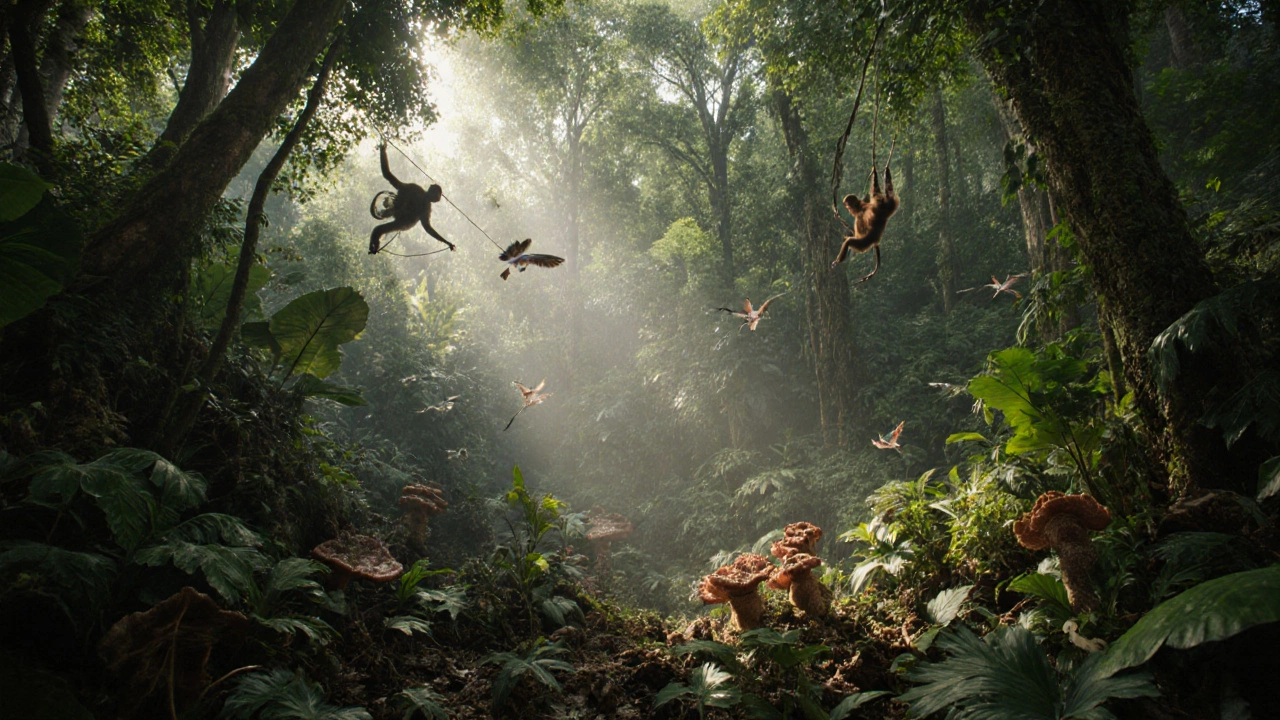
Discover the seven main types of ecosystems - forests, aquatic, deserts, grasslands, tundra, wetlands, and artificial - and how each one supports life on Earth. Understand their roles, threats, and why protecting them matters for everyone.
More© 2026. All rights reserved.