
Is It a Good Idea to Volunteer? Real Benefits and What to Expect
 Jan, 19 2026
Volunteer Fit Quiz
Find Your Perfect Volunteer Fit
Answer these quick questions to discover volunteer opportunities that match your personality, time availability, and skills.
Question 1: How much time can you commit?
Question 2: What kind of work do you prefer?
Question 3: What skills do you have?
Question 4: How would you describe your personality?
Your Personalized Volunteer Recommendations
"Just show up. Be kind. Stay open. That's all volunteering asks for."
People ask if volunteering is a good idea like it’s a math problem with a right answer. It’s not. It’s a life choice-and like any choice, it depends on what you’re looking for. Some come for the resume boost. Others need to feel useful again after a loss, a job change, or just a long stretch of feeling stuck. And that’s okay. Volunteering doesn’t care why you show up. It just asks that you do.
You’re Not Just Giving Time-You’re Gaining Something Back
Think volunteering is all about helping others? It is-but it’s also about helping yourself. A 2023 study by the UK’s Office for National Statistics found that people who volunteered regularly reported higher levels of life satisfaction than those who didn’t, even after accounting for income, health, and social connections. That’s not a fluke. When you show up to sort food at a local pantry, walk dogs at an animal shelter, or tutor kids after school, your brain releases dopamine and oxytocin. Those are the same chemicals you get from a good workout or a hug from someone you love.
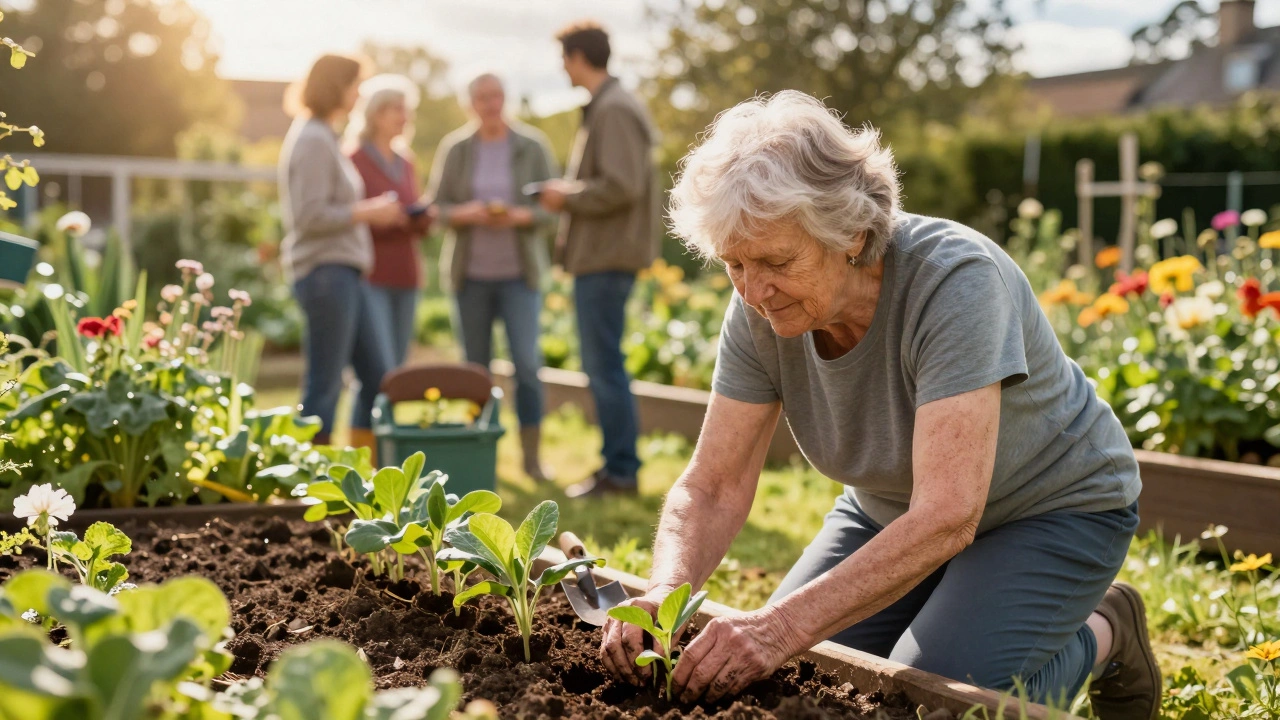
It’s not magic. It’s biology. And it works whether you’re 17 or 77. One woman in Edinburgh, Margaret, started volunteering at a community garden after her husband passed away. She didn’t go looking for friendship. She just needed to get out of the house. Two years later, she leads the garden team, has three regular volunteers who call her every Sunday morning, and says she’s never felt more alive.
It’s Not Always Pretty-And That’s Fine
Don’t let Instagram fool you. Volunteering isn’t always sunlit smiles and group selfies. Sometimes you’re cleaning up broken glass at a homeless drop-in center. Sometimes you’re filling out forms for elderly folks who can’t read them. Sometimes you’re sitting in silence with someone who just needs company. It’s messy. It’s tiring. It doesn’t always feel rewarding in the moment.
That’s normal. The real reward isn’t the instant high. It’s the slow build of knowing you showed up when no one was watching. It’s the quiet pride in showing up again next week, even when you’re exhausted. I’ve seen people quit after one shift because they expected to feel like a hero. They didn’t. They left frustrated. But the ones who stayed? They didn’t stay because it was easy. They stayed because it became part of who they were.
What Kind of Volunteering Actually Fits You?
Not every opportunity is right for every person. You wouldn’t force someone who hates crowds to work a busy food bank on a Saturday. And you shouldn’t force yourself into something that feels wrong.
Ask yourself:
- Do you want to work with people, or behind the scenes?
- Are you looking for structure (weekly shifts) or flexibility (one-off events)?
- Do you want to use a skill you already have-or learn something completely new?
If you’re good with numbers, help a small charity with their books. If you love being outside, join a park cleanup group. If you’re quiet and patient, reading to kids or visiting nursing homes might click. If you’re loud and energetic, organizing events or leading youth groups could be your fit.
There’s no one-size-fits-all. And there’s no such thing as a bad volunteer role-only ones that don’t match your rhythm.
How to Find Real Opportunities (Not Just Clickbait)
Search engines are full of fake ‘volunteer with us’ pages that just want your email. Real opportunities don’t ask for your credit card. They don’t promise you a free t-shirt and a LinkedIn post. They ask if you can commit to a few hours a month-and mean it.
In Edinburgh, start with:
- Volunteer Edinburgh-run by the city council. Lists verified local roles with contact details.
- Do-It.org-the UK’s largest volunteer database. Filter by location, time, and interest.
- Local libraries, churches, and community centres-they often have bulletin boards with flyers for small, trusted groups.
Call before you show up. Ask: “What does a typical shift look like?” “Do you give new volunteers training?” “Who do I talk to if things get overwhelming?” If they can’t answer, walk away. Good organizations don’t just need bodies-they need people who feel safe and supported.
What You’ll Actually Learn
Volunteering isn’t just about giving. It’s about growing.
One man in Leith, David, started helping at a refugee support group because he thought it would be "a nice thing to do." Six months later, he was translating documents, helping families apply for housing, and speaking at local council meetings. He didn’t know how to navigate bureaucracy before. Now he does. He didn’t realize how little he understood about immigration until he sat across from someone who’d lost everything.
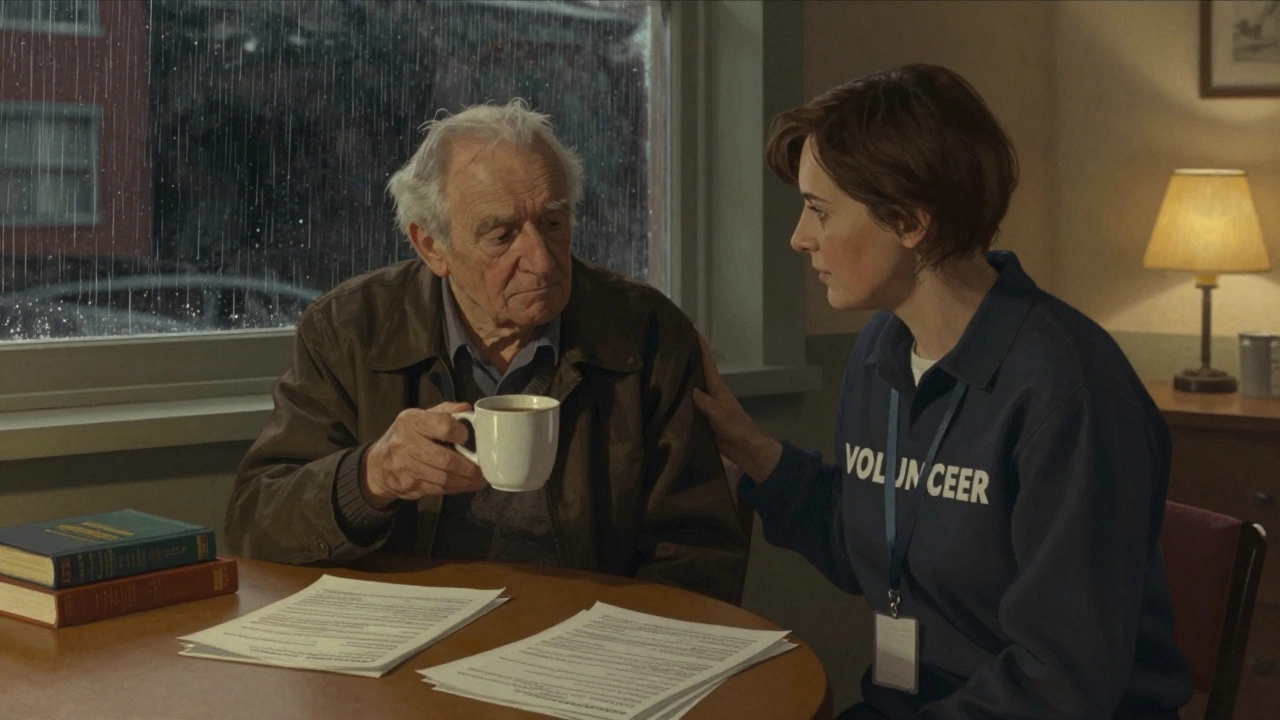
You’ll learn patience. You’ll learn how to listen without fixing. You’ll learn that kindness doesn’t always look like grand gestures-it often looks like showing up on a rainy Tuesday with a hot cup of tea.
And you’ll learn that people aren’t problems to solve. They’re people-with stories, fears, humor, and stubbornness. Just like you.

It’s Not a Rescue Mission
Don’t go in thinking you’re going to save someone. That mindset sets you up for disappointment. And it puts pressure on the people you’re trying to help.
Volunteering isn’t about heroism. It’s about presence. It’s about saying: I see you. I’m here. I’m not going anywhere.
One volunteer at a youth drop-in center told me: “I don’t fix their lives. I just make sure they know someone remembers their name.” That’s enough. More than enough.
What If You’re Not Sure You Can Commit?
You don’t need to sign up for a year. You don’t need to quit your job. You don’t need to be perfect.
Try one shift. One Saturday. One afternoon. See how it feels. If it drains you, stop. If it fills you up, come back next time. That’s all it takes to start.
There’s no such thing as a bad volunteer. There’s only someone who hasn’t found the right fit yet.
Final Thought: It’s Not About Being Perfect
You don’t have to be brave. You don’t have to be organized. You don’t have to have all the answers.
Just show up. Be kind. Stay open.
That’s all volunteering asks for.
Is volunteering worth my time if I’m busy?
Yes-if you treat it like a small, meaningful habit, not a big obligation. Even two hours a month makes a difference. Many people start with one-off events: a beach clean-up, a charity run, or helping at a holiday meal. These don’t require long-term commitment but still give you the feeling of connection. You don’t need to be a full-time volunteer to benefit from it.
Can volunteering help with mental health?
Absolutely. Studies from the University of Edinburgh and the NHS show that regular volunteering reduces symptoms of anxiety and depression, especially in people over 50 or those recovering from isolation. It creates structure, social connection, and a sense of purpose-all things mental health professionals recommend. It’s not a replacement for therapy, but it’s a powerful complement.
Do I need experience to volunteer?
No. Most organizations train you on the spot. Whether you’re sorting clothes, answering phones, or helping with art classes, they’ll show you what to do. The only thing they really want is reliability and a willingness to learn. If you can show up on time and treat people with respect, you’re already qualified.
What if I don’t like the first place I volunteer?
It happens. Not every group is the right fit. Don’t feel guilty. Talk to the coordinator, explain how you felt, and ask if they have other roles. If they don’t, try another organization. Volunteering isn’t a marriage. It’s more like trying different coffee shops until you find the one that feels like home.
Can I volunteer if I have a criminal record?
Yes, in many cases. Many charities work with people rebuilding their lives and understand that past mistakes don’t define someone. Some roles, especially those involving children or vulnerable adults, require background checks. But there are plenty of roles-like gardening, packing food, or office help-that don’t. Be honest when you apply. Most organizations will work with you if you’re sincere.
Is volunteering good for my career?
It can be. Employers value reliability, teamwork, and problem-solving-skills you build while volunteering. If you’re job hunting, mention specific projects: "Led a team of 8 volunteers to organize a community food drive," or "Managed donor records for a local charity." It shows initiative and character. But don’t volunteer just for your CV. The real benefit comes when you care about the work-not the resume line.
If you’re wondering whether volunteering is a good idea, the best way to find out is to try it. Not tomorrow. Not next week. Next Tuesday. Pick one thing. Show up. See what happens.