
Is Community Outreach a Skill? Here’s What Really Matters
 Jan, 4 2026
Community outreach isn’t something you’re born with. It’s not magic. It’s not just being nice or showing up at events. It’s a real, learnable skill-and one that’s in short supply. If you’ve ever tried to get people to care about a local issue, convinced a skeptical neighbor to join a cleanup, or persuaded a business to sponsor a youth program, you know it’s harder than it looks. That’s because community outreach requires more than enthusiasm. It requires strategy, patience, and emotional intelligence.
What community outreach actually is
Community outreach isn’t handing out flyers or posting on Facebook. It’s not even hosting a one-off event. True outreach is about building lasting relationships with people who don’t already agree with you. It’s listening more than speaking. It’s showing up consistently, even when no one’s watching. It’s understanding the difference between what you think a community needs and what they actually say they need.
In Edinburgh, a group trying to reduce litter in Leith noticed their posters weren’t working. They assumed people didn’t care. But after sitting on a bench for two weeks and talking to locals, they learned people didn’t feel safe walking to bins at night. The real problem wasn’t apathy-it was poor lighting. They didn’t need more signs. They needed streetlights. That’s outreach: asking, listening, and acting on what you hear.
Why it’s a skill, not a personality trait
People often say, “You’re just good with people,” as if outreach is something only extroverts can do. But introverts do it better sometimes. They listen more. They notice small cues. They don’t rush to fix things. A quiet volunteer in Stockbridge once spent three months just walking the same route every morning, saying hello to the same five people. No agenda. No ask. Just presence. Eventually, one of them asked, “What are you doing here?” That opened the door to a full neighborhood recycling initiative.
Outreach isn’t about charisma. It’s about reliability. It’s about knowing when to step back, when to follow up, and how to apologize when you mess up. You can’t fake that. You can’t learn it from a webinar. You learn it by doing it-over and over, in messy, awkward, real-life situations.
The core components of outreach skills
Good outreach breaks down into five concrete abilities:
- Active listening-not waiting for your turn to speak, but truly hearing what’s unsaid. People often say one thing but mean another. A mother saying “I don’t have time” might really mean “I’m overwhelmed and no one’s asked how I’m doing.”
- Context awareness-knowing the history of a place. Who’s been ignored? Who’s been burned by previous campaigns? In parts of Glasgow, past charity drives left people feeling used. Outreach now starts with acknowledging that.
- Adaptability-if your flyer strategy fails, you don’t double down. You try a coffee shop chat, a WhatsApp group, a local radio spot. One food bank in Dundee switched from printed newsletters to voice notes sent to phones. Participation jumped 40%.
- Conflict navigation-not avoiding disagreement, but handling it without shutting down. A community meeting in Leith turned heated over a proposed park redesign. The outreach lead didn’t argue. She wrote down every concern on a whiteboard. Then she said, “I hear you. Let’s figure out what we can fix first.” That changed the whole tone.
- Follow-through-if you promise to bring a report back, you do. If you say you’ll check on a concern, you do. Broken promises kill trust faster than any mistake.
What doesn’t work
Many organizations waste time on outreach that feels like performative charity. Things like:
- Bringing in outside volunteers for a one-day cleanup and calling it “community engagement.”
- Using jargon like “stakeholder engagement” or “capacity building” in public meetings.
- Assuming that because you’re “doing good,” people should be grateful.
- Only reaching out when you need something-money, signatures, volunteers.
These approaches don’t build trust. They build resentment. People can tell when you’re using them.
How to start building this skill
You don’t need a title or a budget. You just need to show up, consistently, without an agenda.
- Choose one small place: a park bench, a bus stop, a corner shop.
- Go there once a week for a month. No clipboard, no pitch.
- Ask open questions: “What’s changed here in the last few years?” “What do you wish someone would fix?”
- Write down what you hear-not your opinion, just their words.
- After a month, come back with one small, specific action based on what you learned. Maybe it’s fixing a broken bench. Maybe it’s starting a weekly coffee chat.
That’s how real outreach begins. Not with a campaign. Not with a grant application. With a person showing up, day after day, without expecting anything in return.
Why this skill matters more now
Isolation is rising. Trust in institutions is falling. People feel unheard. That’s why outreach isn’t optional anymore-it’s essential. Whether you’re running a nonprofit, a school, a local council, or just care about your neighborhood, your ability to connect with people who aren’t like you determines whether your efforts last.
Outreach isn’t about getting people to support your cause. It’s about helping them feel like they belong. That’s not a tactic. It’s a human skill. And like any skill, it gets better with practice.
Real outcomes from real outreach
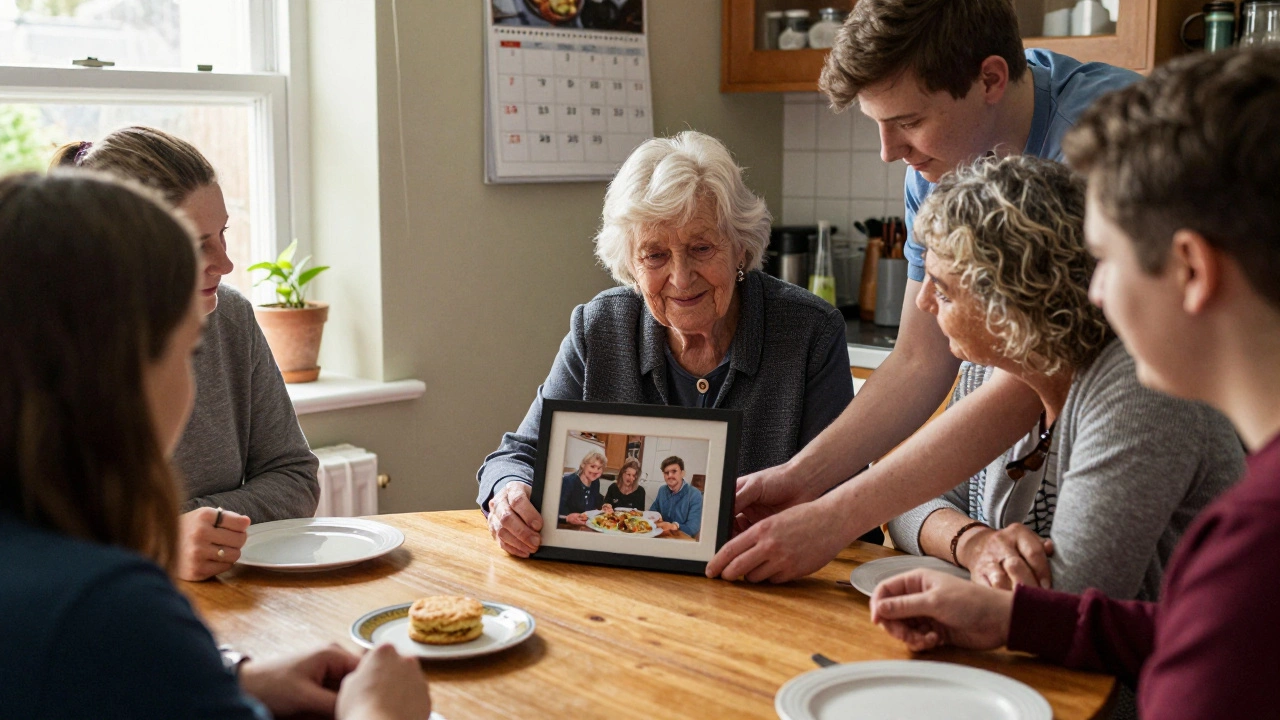
In 2024, a group in West Lothian noticed fewer seniors were attending the weekly lunch club. Instead of sending reminders, they sent a teen volunteer to visit homes. One woman said she didn’t go because she didn’t know anyone. The teen started bringing her a photo of the group each week. Three months later, the woman walked in on her own. She didn’t need food. She needed to be seen.
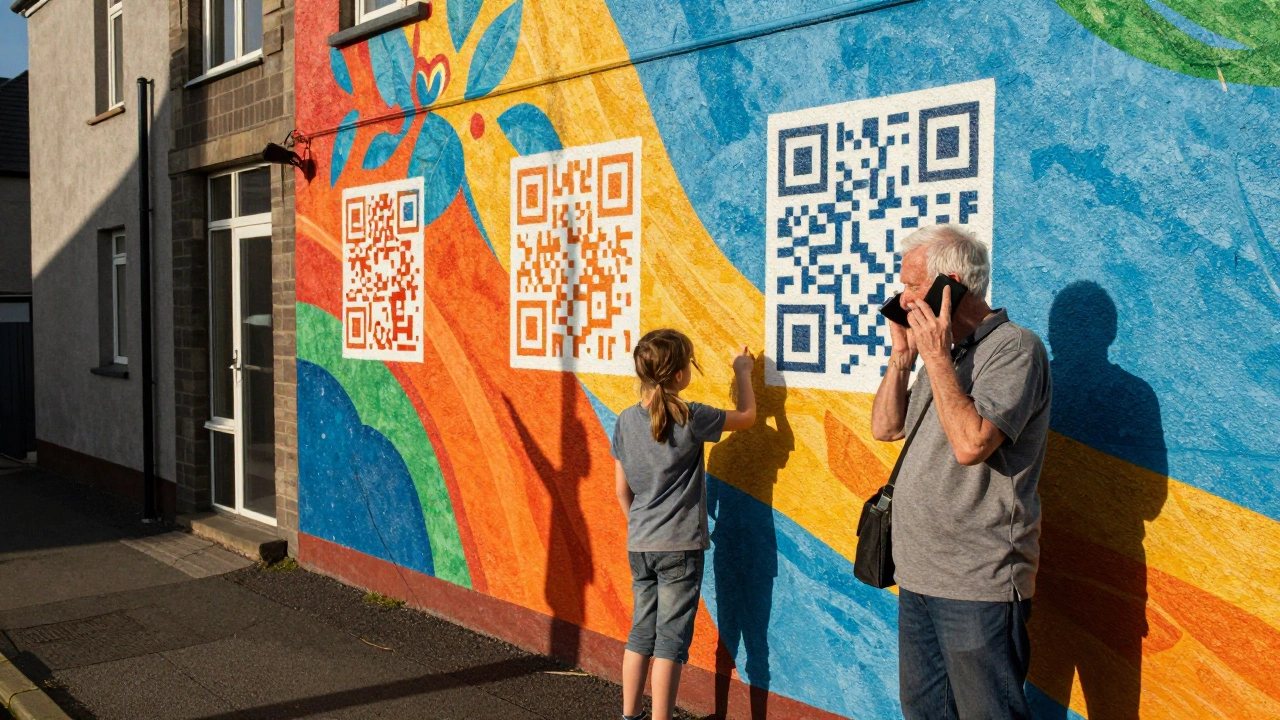
Another example: a housing association in Aberdeen was struggling to get tenants to report repairs. They hired a local artist to paint murals on the sides of buildings-with QR codes that linked to a simple voice message system. Tenants could call in, no app needed. Reports jumped 70%. The secret? They didn’t ask for compliance. They asked for partnership.
These aren’t fancy campaigns. They’re examples of someone who learned to listen-and acted on what they heard.
Final thought
Community outreach isn’t a soft skill. It’s a hard one. It’s messy. It’s slow. It doesn’t always look like success. But when it works, it changes lives-not because of a big event, but because someone showed up, stayed, and treated people like they mattered.
It’s not about being good with people. It’s about being good for them.
Can anyone learn community outreach, or do you need to be naturally social?
Anyone can learn it. You don’t need to be outgoing. Many of the most effective outreach workers are quiet, observant, and patient. What matters isn’t how much you talk-it’s how well you listen, how consistently you show up, and whether you follow through on what you promise. Introverts often excel because they notice details others miss and don’t rush to fix things.
Is community outreach the same as volunteering?
No. Volunteering is giving your time. Outreach is building relationships. You can volunteer without doing outreach-like sorting donations from afar. But outreach means going to where people are, listening to their concerns, and adapting your work based on their input. One person can volunteer and never do outreach. Another can do outreach without ever calling themselves a volunteer.
How do you know if your outreach is working?
Look for signs of trust, not numbers. Are people calling you with problems before you ask? Do they show up without being invited? Do they correct you when you’re wrong? Do they bring friends? Real outreach grows quietly. It doesn’t show up in attendance stats-it shows up in people saying, “I didn’t think anyone cared, but you did.”
What’s the biggest mistake people make in outreach?
Assuming you know what the community needs. Too many programs are designed from the top down-based on reports, surveys, or assumptions. Real outreach starts with asking, “What’s been hard for you?” and then staying quiet long enough to hear the real answer. The biggest failures happen when people listen to collect data, not to understand.
Do you need formal training to be good at outreach?
Not at all. Formal training can help, but most of the best outreach workers learned by doing-making mistakes, apologizing, and trying again. The most valuable lessons come from real conversations, not PowerPoint slides. If you want to learn, start by spending 30 minutes a week talking to someone in your neighborhood who doesn’t usually get asked what they think.