
How to Write a Community Outreach Plan: A Step-by-Step Guide for Nonprofits
 May, 7 2026
Community Outreach Strategy Builder
Step 1: Define Your Audience & Goals
Step 2: Select Channels & Stakeholders
Your Customized Outreach Strategy
Core Strategy Overview
Recommended Actions
Success Metrics
Track these KPIs monthly:
Pro Tip
Imagine launching a brand-new food bank in your neighborhood. You have the warehouse, the volunteers, and even some initial funding. But when you open your doors on Monday, nobody shows up. Why? Because you didn't tell them you were there. This is where a community outreach plan is a strategic roadmap that defines how an organization connects with its target audience to build trust, raise awareness, and drive participation. Without it, even the best intentions fail to reach the people who need them most.
A strong outreach plan isn't just about posting on social media or handing out flyers. It’s about understanding who your community actually is, what they care about, and how they prefer to receive information. Whether you are running a local charity, a school initiative, or a corporate social responsibility project, this guide will walk you through creating a plan that works.
Define Your Core Objectives and Audience
Before you write a single sentence of your plan, you need to know exactly what you want to achieve. Vague goals like "helping the community" won’t get you far. Instead, use the SMART framework: Specific, Measurable, Achievable, Relevant, and Time-bound. For example, instead of saying "increase awareness," try "increase foot traffic at our youth center by 20% within six months."
Next, identify who you are trying to reach. This is your target audience. Are you targeting elderly residents living alone? Parents of young children? Local small business owners? Create simple profiles for these groups. Ask yourself:
- What are their biggest pain points?
- Where do they spend their time (online and offline)?
- Who do they trust for information?
If you are launching a mental health support group, your audience might be university students. They likely trust peer influencers more than official university emails. Knowing this changes your entire approach.
Conduct a Stakeholder Analysis
You cannot work in a vacuum. A successful outreach strategy relies on identifying key partners, influencers, and decision-makers who can amplify your message or provide resources. Start by listing everyone who has a stake in your success. This includes local government officials, community leaders, existing nonprofits, and potential donors.
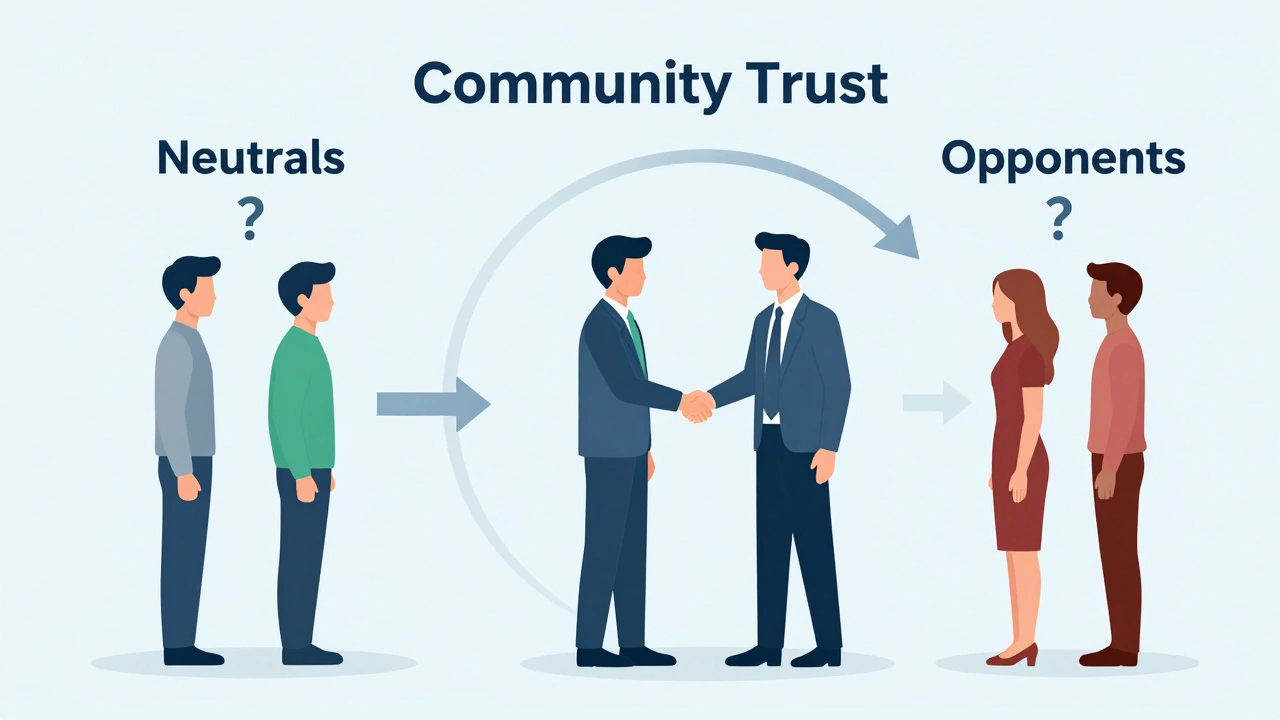
Categorize these stakeholders into three groups: allies, neutrals, and opponents. Allies are those who already support your cause. Neutrals haven’t made up their minds yet. Opponents might resist your efforts due to competing interests or lack of understanding. Focus your energy on converting neutrals into allies. For instance, if you’re organizing a clean-up day for a local park, the local council might be neutral. Reach out to them early, explain the benefits, and invite them to sponsor the event. Their endorsement can legitimize your effort instantly.
Choose Your Communication Channels
Once you know your audience and stakeholders, decide where to meet them. Different demographics prefer different channels. Older adults might respond better to local newspapers or community bulletin boards, while younger audiences are more active on Instagram or TikTok.
| Channel | Best For | Cost | Engagement Level |
|---|---|---|---|
| Social Media | Younger demographics, broad awareness | Low to Medium | High (if interactive) |
| Local Events | Building personal connections, trust | Medium to High | Very High |
| Email Newsletters | Existing supporters, detailed updates | Low | Medium |
| Print Media | Older demographics, local credibility | High | Low |
Don’t try to be everywhere at once. Pick two or three primary channels and master them. If your budget is tight, focus on grassroots methods like word-of-mouth campaigns and local partnerships. These often yield higher trust levels than paid advertising.
Develop Compelling Content
Your message needs to resonate emotionally. People don’t connect with statistics; they connect with stories. Share real-life examples of how your work impacts individuals. Use clear, jargon-free language. Avoid acronyms that outsiders won’t understand.
Create a content calendar that aligns with your objectives. If your goal is volunteer recruitment, post testimonials from current volunteers explaining why they love helping. If you’re raising funds, share transparent updates on how previous donations were used. Consistency is key. Posting sporadically confuses your audience and weakens your brand presence.

Set Metrics for Success
How will you know if your plan is working? Define clear metrics before you start. Common KPIs (Key Performance Indicators) include:
- Number of new volunteers recruited
- Attendance rates at events
- Social media engagement rates (likes, shares, comments)
- Funds raised per campaign
- Survey results measuring community awareness
Use tools like Google Analytics for website traffic, social media insights for digital performance, and simple sign-in sheets for physical events. Review these metrics monthly. If something isn’t working, pivot quickly. Maybe your email open rates are low-try changing your subject lines or sending times. Data-driven adjustments keep your plan relevant and effective.
Build Long-Term Relationships
Outreach isn’t a one-time event; it’s an ongoing conversation. Once you’ve captured attention, focus on retention. Thank people for their support. Follow up after events. Create opportunities for community members to give feedback. When people feel heard, they become advocates for your cause.
Consider establishing a community advisory board. Invite diverse voices from your target audience to help shape future initiatives. This not only improves your planning but also demonstrates genuine respect for the community you serve. Trust takes time to build but can be lost in seconds. Always prioritize transparency and authenticity over quick wins.
How long should a community outreach plan take to implement?
A comprehensive outreach plan typically takes 3-6 months to fully implement. However, you can start with small pilot projects immediately. Test your messaging on one channel before scaling up. This allows you to refine your approach based on real feedback without wasting resources.
What if we have no budget for outreach?
Zero-budget outreach is possible through volunteer power and partnerships. Leverage free social media platforms, collaborate with other organizations for cross-promotion, and host informal gatherings in public spaces. Personal connections and word-of-mouth are often the most powerful tools available.
How do we measure the impact of our outreach efforts?
Track both quantitative data (numbers of attendees, funds raised) and qualitative feedback (surveys, interviews). Look for trends over time rather than isolated spikes. Regularly ask your community directly what they value most about your programs.
Can we reuse an old outreach plan?
You can reference past successes, but never copy-paste an old plan. Communities change, technologies evolve, and new stakeholders emerge. Always conduct fresh research and update your goals to reflect current realities. What worked five years ago may not resonate today.
Who should be involved in writing the outreach plan?
Include a diverse team: program staff, marketing experts, volunteers, and importantly, representatives from the community itself. Diverse perspectives prevent blind spots and ensure your plan addresses real needs rather than assumed ones.