
How to Verify a Volunteer Organization: A Practical Guide to Spotting Scams
 Jun, 20 2026
Volunteer Organization Trust Score Calculator
Organization Verification Checklist
Answer these questions honestly based on your research of the organization. This tool calculates a trust score to help you spot potential scams.
1. Official Registration Status
2. Financial Transparency
3. Physical Presence & Contact
4. Recruitment Process
Trust Score
--
Detected Red Flags
- None detected yet
You have the time, the energy, and the desire to help. You find an organization that needs exactly what you can offer-maybe it’s packing food boxes, tutoring kids, or cleaning up a local park. It feels good to sign up. But what if that organization isn’t real? What if your hard work is being used to line someone’s pockets, or worse, to launder money?
It happens more often than you might think. Fake charities pop up after natural disasters. Shell organizations use volunteers as unpaid labor while charging donors high fees. Sometimes, a group looks legitimate on the surface but lacks proper governance. Before you give your time, you need to know how to check if a volunteer organization is actually doing what it says it does.
I’ve spent years working in community outreach here in Edinburgh, and I’ve seen both inspiring genuine efforts and some pretty shady operations. The difference usually comes down to transparency. Legitimate groups have nothing to hide. Shady ones rely on urgency and emotion to bypass your critical thinking. Let’s look at how to separate the real deals from the fakes.
Check the Official Registration Status
The first step is boring but essential. Every legitimate non-profit organization must be registered with the government. In the UK, this means checking the Charity Commission for England and Wales, OSCR in Scotland, or the Charity Commission for Northern Ireland. If you’re in the US, you’d check the IRS Tax Exempt Organization Search. In other countries, there are similar national registries.
Go to the official government website-not a link provided by the organization itself. Type in the name of the group. If they don’t show up, stop right there. A registered charity will have a unique number (like a charity registration number). This number allows you to see their annual reports, financial statements, and governing documents. If a group claims to be a charity but refuses to provide this number, or if the number doesn’t match the name, it’s a major red flag.
Be aware that "unregistered" doesn’t always mean "fake." Some small community groups operate below the income threshold for mandatory registration. However, they should still be able to prove their legitimacy through bank records, trustee names, and clear communication channels. If they can’t provide any proof of structure, keep looking.
Analyze Their Financial Transparency
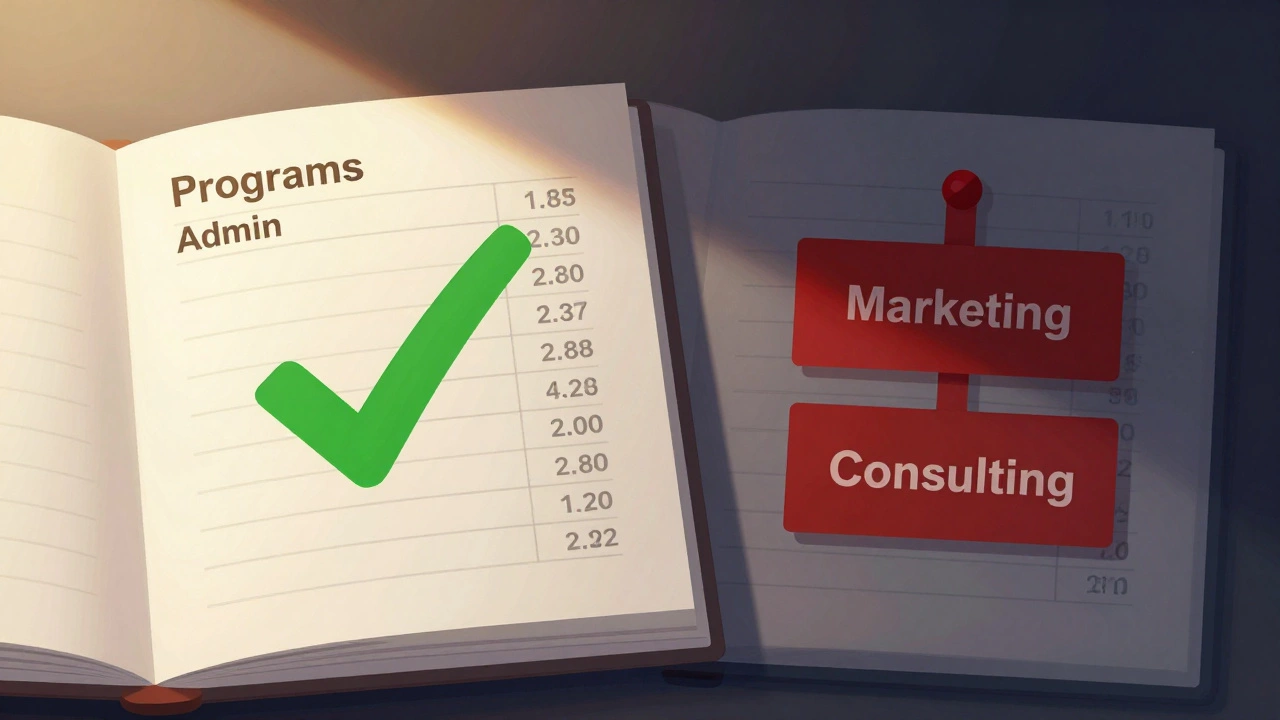
Money talks. Even if you aren’t donating cash, your time has value. Organizations that respect volunteers also respect financial accountability. Look for published annual reports. These documents should clearly break down where the money goes. Are most funds going to the actual program (the food, the shelter, the education), or are they going to administrative costs and fundraising?
A healthy ratio is typically 75-80% or more going directly to programs. If you see huge discrepancies, like a group claiming to feed thousands but spending half its budget on "marketing" or "consulting," ask questions. Legitimate organizations welcome these questions. They’ll explain their overhead costs honestly. Fake or inefficient organizations will get defensive, vague, or angry.
Also, check independent charity watchdogs. Sites like Charity Navigator, GuideStar, or the Better Business Bureau’s Wise Giving Alliance rate organizations based on financial health and accountability. While not perfect, these third-party assessments provide a layer of verification that the organization itself cannot manufacture.
Verify Physical Presence and Contact Information
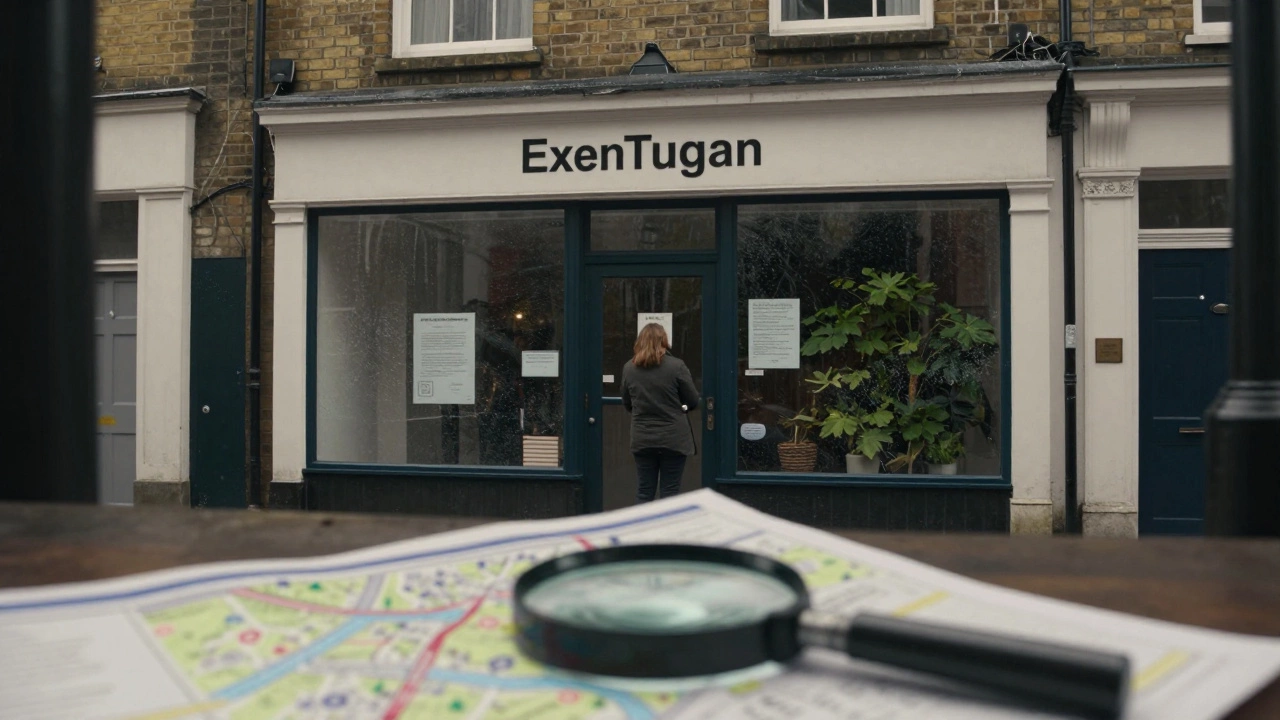
In the digital age, many scams exist only online. They have slick websites and polished social media profiles, but no physical office. Call the phone number listed on their site. Does a human answer? Is the address a real building, or a virtual mailbox service?
If possible, visit the location. Drive by. Look for signage. See if there are people coming and going. For example, if a group claims to run a large homeless shelter, you should be able to find the facility on Google Maps and see photos of it. If the address leads to a residential house with no signage, or a shared office space with dozens of unrelated companies, proceed with caution.
Social media is another clue. Real organizations engage with their followers. They post updates about specific events, tag local partners, and respond to comments. Fake accounts often have generic stock photos, very few posts, or comments that are all bot-generated praise. Check the dates. Did the account suddenly appear last month? A new organization isn’t automatically bad, but a lack of history combined with high-pressure tactics is suspicious.
Evaluate the Recruitment Process
Think about how they recruited you. Legitimate volunteer roles usually involve some level of screening. Why? Because they care about safety and fit. They might ask for a resume, conduct an interview, or require background checks, especially if the role involves working with children or vulnerable adults.
If an organization accepts anyone instantly without asking a single question, that’s a warning sign. They might just be looking for bodies to fill quotas, or they might be using volunteers as free labor for tasks that should be paid positions. This is common in political campaigns or poorly managed NGOs.
Also, pay attention to the language used. Do they emphasize the impact of your work, or do they emphasize the prestige of joining them? Be wary of groups that promise exclusive networking opportunities, certificates that hold no weight, or titles that sound impressive but come with no real responsibility. Genuine volunteering is about service, not status.
Look for Independent Reviews and News Coverage
Search for the organization’s name along with words like "scam," "fraud," "complaint," or "review." Don’t just read the testimonials on their own website; those are curated. Look for discussions on Reddit, Trustpilot, or local community forums. Have other volunteers had negative experiences? Were they promised one thing and given another?
Local news coverage is also valuable. Has the organization been featured in positive stories about their work? Or have they been mentioned in investigations into fraud? If you can’t find any independent mention of the group at all, despite them claiming to do significant work, that’s odd. Real impact generates real talk.
For instance, when I was vetting a youth mentorship program, I found a forum post from a former volunteer who mentioned that the coordinators never showed up to sessions. That wasn’t enough to disqualify the whole group, but it prompted me to ask direct questions during my interview. The current director acknowledged past staffing issues and explained how they had fixed them. That honesty built trust. Silence would not have.
Trust Your Gut and Ask Direct Questions
Sometimes, the data doesn’t tell the whole story. You meet the team, and something feels off. Maybe they pressure you to donate immediately. Maybe they avoid answering simple questions about their mission. Maybe the vibe is chaotic and disorganized.
Don’t ignore that feeling. You have the right to ask direct questions. "Who are your trustees?" "Can I see your latest audited financial statement?" "What is your policy on volunteer safety?" A legitimate organization will appreciate your diligence. They want informed, committed volunteers. A scammer will try to rush you away from these questions.
Remember, volunteering is a two-way street. You are giving them your time and skills. They should be giving you respect, clarity, and a safe environment. If the relationship feels exploitative from day one, walk away. There are plenty of other organizations that need your help and will treat you with the dignity you deserve.
By taking these steps, you protect yourself and ensure that your efforts make a real difference. The world needs honest helpers. Don’t let scammers steal your goodwill.
What are the biggest red flags of a fake volunteer organization?
The biggest red flags include pressure to donate money immediately, refusal to provide registration numbers, lack of a physical address, vague descriptions of activities, and instant acceptance without any screening process. If a group seems too good to be true or avoids transparency, it likely is.
Is it okay to volunteer for an unregistered charity?
Yes, but with caution. Small community groups may not meet the income threshold for mandatory registration. However, they should still be able to provide proof of their structure, such as trustee names, bank details, and clear communication. Always verify their identity independently before committing time.
How can I check if a charity is registered in the UK?
In the UK, you can search the Charity Commission for England and Wales, OSCR for Scotland, or the Charity Commission for Northern Ireland websites. Enter the organization’s name or registration number to view their official status, annual reports, and financial information.
Should I worry if a volunteer group asks for a background check?
No, you should expect it. Reputable organizations, especially those working with children, elderly people, or vulnerable populations, require background checks to ensure safety. This is a sign of professionalism and care, not suspicion. Refusing to conduct checks is a bigger concern.
What questions should I ask before volunteering?
Ask about their registration status, request to see recent financial reports, inquire about volunteer training and support, and ask who oversees the program. Also, ask about their insurance coverage for volunteers. Clear, honest answers indicate a legitimate and well-run organization.