
How to Start an Outreach Program: A Step-by-Step Guide for 2026
 Jul, 6 2026
Outreach Strategy Builder
Step 1: Define Your Primary Goal
What is the main objective of your outreach campaign?
Step 2: Identify Your Target Audience
Who exactly are you trying to reach? "Everyone" is not an audience.
Step 3: Select Outreach Channels
Where will you connect with your audience? A multi-channel approach works best.
Step 4: Craft Your First Message
Create a short, respectful, and clear initial contact.
Start typing to see your message preview...
Your Customized Outreach Strategy
🎯 Primary Objective
-
👥 Target Audience
-
-
📡 Recommended Channels
✉️ Drafted Initial Contact
-
Most organizations think community outreach is about sending emails or handing out flyers. It’s not. Real outreach is about building relationships that survive when the marketing budget runs dry. If you’re wondering how to start an outreach program that actually works, you need to shift your mindset from broadcasting to connecting.
In 2026, people are overwhelmed with noise. They ignore generic messages. But they respond to genuine value and shared purpose. Whether you represent a small non-profit in Edinburgh, a startup looking for local goodwill, or a corporate team trying to give back, the mechanics of starting effective outreach remain the same. You identify who matters, you find what they care about, and you show up consistently.
Define Your Why Before You Send a Single Email
You cannot build a bridge if you don’t know where the other side is. The biggest mistake I see is organizations launching outreach campaigns without a clear objective. Are you trying to recruit volunteers? Raise awareness for a cause? Find new customers? Or build partnerships with local businesses?
Let’s look at a specific example. Imagine you run a food bank. If your goal is "more donations," that’s too vague. A better goal is "partner with five local restaurants to collect surplus food weekly." This clarity changes everything. It dictates who you talk to (restaurant owners), what you say (food waste reduction + community impact), and how you measure success (number of active partners).
Write down your primary goal. Then, write down three secondary goals. Keep this document visible. Every email draft, every phone script, and every event plan should tie back to these goals. If it doesn’t, cut it.
Identify Your Audience with Precision
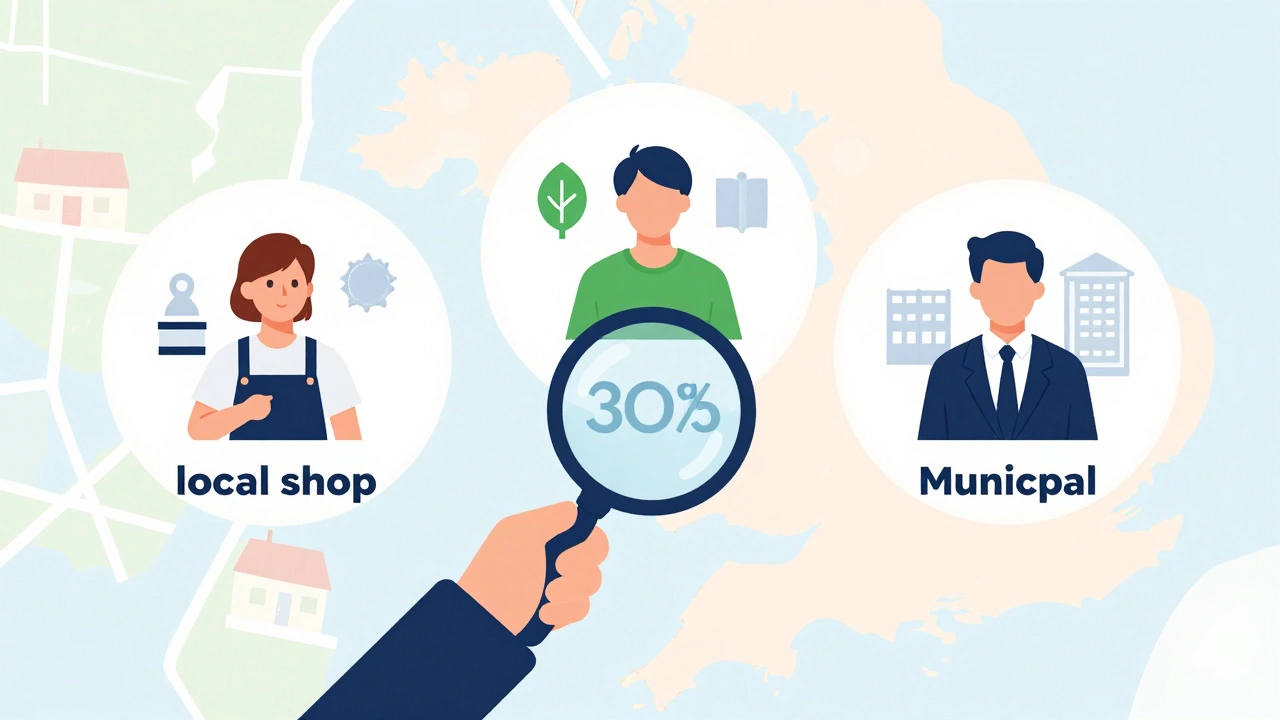
"Everyone" is not an audience. If you try to speak to everyone, you speak to no one. Effective community engagement requires segmenting your target group based on their interests, location, and influence.
| Audience Type | What They Care About | Best Outreach Channel |
|---|---|---|
| Local Businesses | Tax benefits, brand reputation, employee morale | Direct meetings, Chamber of Commerce events |
| Volunteers | Skill development, social connection, impact | Social media groups, university boards |
| Municipal Leaders | Civic improvement, safety, voter satisfaction | Public forums, official letters |
Start small. Pick one segment. For instance, if you want to help seniors with digital literacy, your audience isn’t "seniors." It’s "retired teachers aged 65-75 living in the Southside area who have smartphones but lack confidence using them." Specificity allows you to craft a message that resonates deeply rather than broadly.
Build a Value Proposition That Isn’t Selfish
People are busy. When you reach out, the first question they ask is, "What’s in it for me?" This doesn’t mean you need to bribe them. It means you need to articulate the mutual benefit clearly.
If you’re asking a business to sponsor an event, don’t just talk about how much money you need. Talk about how their logo will be seen by 500 local families, how it boosts their ESG (Environmental, Social, and Governance) score, and how it provides team-building opportunities for their staff.
If you’re recruiting volunteers, don’t just say "we need help." Say, "Join our team to learn project management skills while helping rebuild local parks." Frame the request around their growth and values, not just your needs.
Choose the Right Channels for Connection
In 2026, cold emailing still works, but it’s harder than ever due to spam filters and inbox fatigue. A multi-channel approach is essential. Here is how to mix it up:
- Personal Introductions: The warmest lead comes from a mutual connection. Ask your board members, friends, or existing partners if they know anyone in your target audience. A simple introduction email has a significantly higher response rate than a cold call.
- Local Events: Show up physically. Attend town hall meetings, chamber of commerce breakfasts, or neighborhood association gatherings. Don’t pitch immediately. Listen. Learn the local pain points. Then, introduce yourself as someone who can help solve them.
- Social Media Communities: Join relevant LinkedIn groups, Facebook community pages, or Reddit threads. Participate in discussions before posting your own content. Provide value first-answer questions, share insights-then subtly mention your initiative.
- Traditional Mail: Surprisingly, handwritten notes or physical postcards stand out in a digital world. Sending a personalized card to a potential partner can demonstrate effort and sincerity that an email cannot match.
Crafting the First Message
Your initial contact sets the tone. It should be short, respectful, and clear. Avoid long paragraphs. Get to the point quickly.
Here is a template structure that works well:
- The Hook: Mention a common connection, a recent event, or a specific compliment about their work. "I saw your recent article on sustainable packaging..."
- The Context: Briefly explain who you are and what you do. "I lead the Green Streets initiative in Edinburgh..."
- The Ask: Make a low-friction request. Do not ask for a major commitment yet. "Would you be open to a 10-minute chat next week to discuss potential collaboration?"
- The Out: Give them an easy way to say no. "If now isn’t a good time, I completely understand." This reduces pressure and often increases the likelihood of a positive response.
Keep it human. Use their name. Proofread twice. Typos signal laziness and can kill credibility instantly.

Follow Up Without Being Annoying
Most outreach fails because people give up after one attempt. The truth is, decision-makers are busy. They miss emails. They get swamped. Following up is not annoying; it’s professional persistence.
Use the 3-touch rule. If you don’t hear back after the first email, wait three days and send a brief follow-up. Add a new piece of value-a link to a relevant article, a statistic, or a case study. If there’s still no reply, wait another week and send a final note. In this last note, state clearly that you won’t follow up again unless they reply. This creates a sense of closure and sometimes triggers a response.
Example follow-up: "Hi [Name], I know things get busy. I wanted to bump this to the top of your inbox. I also thought you might find this report on local youth engagement interesting [link]. Let me know if you’d like to connect."
Measure and Adapt Your Strategy
You can’t improve what you don’t measure. Track key metrics from day one. These might include:
- Response Rate: Percentage of contacts who reply.
- Meeting Conversion: Percentage of replies that turn into actual conversations.
- Partnership Closure: Number of formal agreements signed.
- Engagement Quality: Feedback from participants or partners.
If your response rate is below 10%, revisit your subject lines and hooks. If meetings aren’t converting to partnerships, review your value proposition. Data tells you where the leak is in your bucket. Fix it, then try again.
Common Pitfalls to Avoid
Even with a solid plan, mistakes happen. Watch out for these common traps:
- Being Too Salesy: People smell desperation. Focus on relationship-building, not transactional gains.
- Ignoring Local Culture: What works in London might not work in Glasgow. Understand the local nuances, dialects, and priorities.
- Burning Bridges: Always be polite, even if someone says no. Today’s "no" might be tomorrow’s "yes" if circumstances change.
- Lack of Consistency: Outreach is a marathon, not a sprint. Sporadic efforts yield sporadic results. Build a routine.
Starting an outreach program takes courage and consistency. It requires you to step out of your comfort zone and engage with the world directly. By defining your goals, identifying your audience, offering genuine value, and following up professionally, you can build a network that supports your mission for years to come.
How long does it take to see results from community outreach?
Results vary depending on the scope of your campaign. For simple inquiries, you might get responses within a few days. However, building meaningful partnerships or significant volunteer bases typically takes 3 to 6 months of consistent effort. Patience and persistence are key.
What is the best time to send outreach emails?
Research suggests that Tuesday, Wednesday, and Thursday mornings between 9 AM and 11 AM are generally the most effective times. Avoid Mondays (when inboxes are flooded) and Fridays (when focus shifts to weekend plans). Test different times to see what works best for your specific audience.
How do I handle rejection in outreach?
Rejection is part of the process. Respond graciously. Thank them for their time and consider asking if they can refer you to someone else who might be a better fit. Keep the door open for future interactions. A polite rejection response maintains professionalism and leaves a positive impression.
Can I use social media for B2B outreach?
Yes, LinkedIn is particularly effective for B2B outreach. Engage with prospects' content before sending a connection request. Personalize your invitation message to explain why you want to connect. Once connected, provide value through comments and shares before making any direct asks.
What tools can help manage outreach campaigns?
CRM (Customer Relationship Management) tools like HubSpot, Salesforce, or even simple spreadsheets can help track contacts, interactions, and follow-ups. Email automation tools like Mailchimp or Outreach.io can streamline sending and tracking, but ensure personalization remains high to avoid appearing robotic.