
How to Start a Fundraising Event: A Practical Guide for Beginners
 Nov, 22 2026
Fundraising Event Planner
Projected Financials
Enter details to see advice.
You have a cause you care about and a vision for an event that brings people together. But the gap between "I want to do this" and actually pulling it off? That is where most fundraising events stall out. It isn't because people lack passion; it is because they get overwhelmed by the logistics before they even send the first invite.
Here is the truth: you don't need a massive team or a huge budget to start. You need clarity. This guide cuts through the noise and gives you a straightforward path from idea to execution, specifically tailored for those organizing their first few community-driven initiatives.
Define Your Mission and Target Audience
Before you book a venue or print tickets, answer one question: Why are we doing this? If your answer is vague, like "to raise money," you will struggle to keep momentum. Specificity sells. Are you raising funds for local shelter beds? For youth arts programs in Edinburgh? For emergency food supplies?
Once you know the specific goal, identify who cares about it. A gala dinner attracts different donors than a sponsored fun run. A bake sale appeals to neighbors; an auction appeals to collectors. Match the event type to the people most likely to open their wallets. If you try to please everyone, you often end up pleasing no one.
Fundraising Strategy is the planned approach to mobilizing resources and supporters for a specific charitable cause. It involves aligning event format with donor demographics to maximize return on investment.
Set Realistic Financial Goals and Budgets
Money talks, but only if you listen to the numbers. Most beginners make the mistake of setting a revenue target without calculating costs. Here is a simple rule of thumb: aim for a net profit margin of at least 50-60%. If you expect to raise £10,000, your expenses should ideally stay under £4,000-£5,000.
Create a line-item budget immediately. Include:
- Venue hire (or donation value)
- Catering and beverages
- Marketing materials (digital ads, flyers)
- Entertainment or speaker fees
- Miscellaneous contingency (add 10% here)
Track every penny from day one. If you are working with a small team, use shared spreadsheets rather than email chains. Visibility prevents surprises.
Choose the Right Event Format
The format dictates the effort required. Let's look at three common types and what they demand from you.
| Event Type | Effort Level | Average Cost per Attendee | Best For |
|---|---|---|---|
| Sponsored Walk/Run | Medium | £5 - £15 | Community building, broad reach |
| Gala Dinner | High | £50 - £150+ | Major donors, corporate sponsors |
| Online Auction | Low-Medium | N/A (Commission based) | Geographically dispersed supporters |
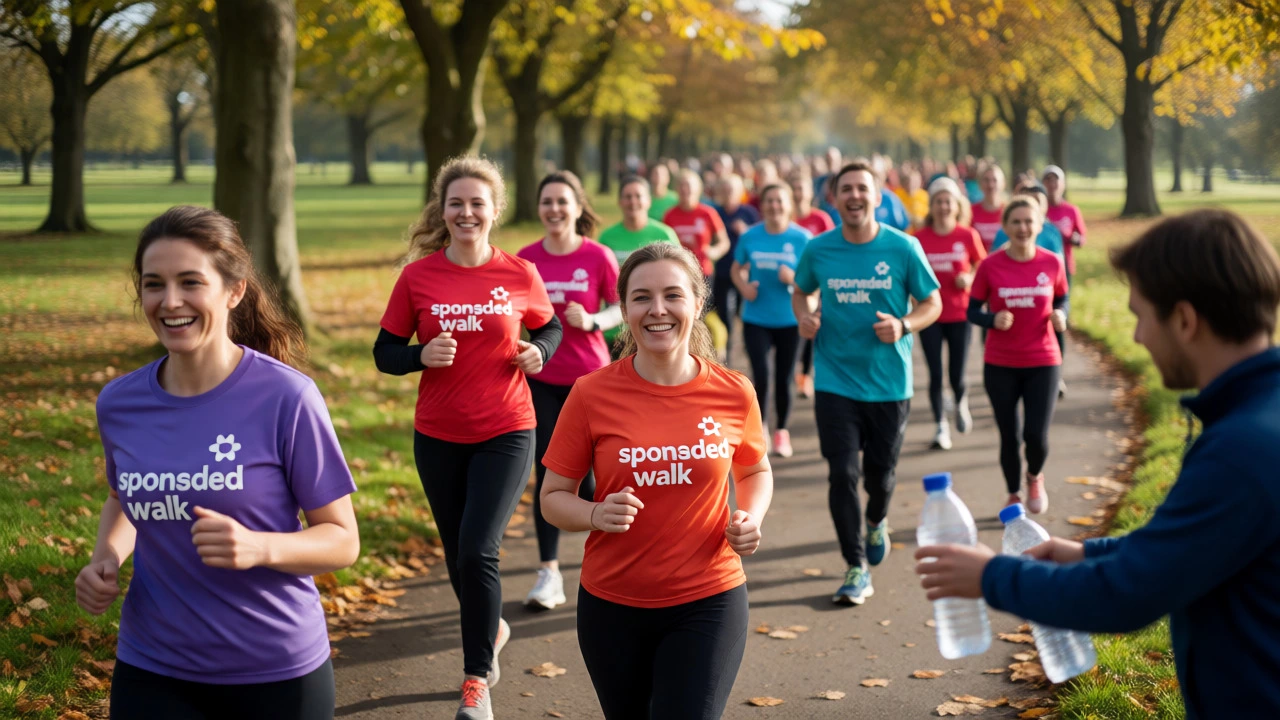
If this is your first time, consider starting smaller. A sponsored walk requires less upfront cash than a gala dinner. You can secure sponsorships to cover costs, meaning almost all ticket sales go directly to the cause. Online auctions are fantastic if you have limited physical space or want to test interest before committing to a large physical gathering.
Secure Sponsorships and In-Kind Donations
This is the secret weapon of successful fundraisers. You don't need to pay for everything in cash. Approach local businesses in Edinburgh-cafés, hotels, printers-and ask for in-kind donations. They might provide free coffee, venue space, or printing services in exchange for logo placement.
When pitching to sponsors, focus on visibility. Tell them exactly how many people will see their brand. Offer tiers: Bronze (£50), Silver (£150), Gold (£500). Each tier gets different benefits, like social media shout-outs or table signage. Remember, businesses want to associate themselves with positive community impact. Make it easy for them to say yes.
In-Kind Donation is a non-cash contribution of goods or services provided by a business or individual to support a charity. These reduce overhead costs significantly.
Build a Marketing Plan That Works
People donate when they feel connected to the story. Your marketing shouldn't just say "Come to our event." It should say "Help us feed 500 families this winter." Use emotional storytelling backed by facts.
Start promoting four to six weeks in advance. Use a mix of channels:
- Social Media: Create a dedicated hashtag. Share behind-the-scenes prep videos.
- Email: Send personal invites to past donors. Avoid generic blasts.
- Local Press: Pitch your story to local newspapers or community blogs. Editors love human-interest angles.
- Word of Mouth: Give your volunteers shareable graphics for their WhatsApp groups.
Don't forget the call to action (CTA). Every post needs a clear link to buy tickets or sign up. Friction kills conversions. If it takes more than three clicks to register, people will drop off.

Execute the Day-of Logistics
The day of the event is not the time to figure things out. You need a run sheet-a minute-by-minute schedule of what happens when. Who greets guests? Who handles the microphone? Where do people park?
Assign roles clearly. Even if you have a small team, give everyone a specific job. One person manages registration, another handles donations, and another oversees refreshments. Chaos usually stems from unclear responsibilities, not lack of effort.
Have a plan for the unexpected. What if the weather turns bad? What if the keynote speaker is late? Having a backup plan reduces stress and keeps the event flowing smoothly.
Follow Up and Thank Your Supporters
The event ends, but the work doesn't. Follow-up is where long-term relationships are built. Within 48 hours, send a thank-you message to every attendee and sponsor. Personalize it if possible. Mention something specific they did or said.
Share the results. Did you hit your goal? Tell them. Show photos. Explain exactly how the money will be used. Transparency builds trust. If you raised £5,000, say "We bought 200 new blankets for the shelter." Concrete outcomes resonate more than abstract totals.
Keep these contacts in your database. Next year, you won't be starting from scratch. You'll have a warm audience ready to engage again.
How much does it cost to start a fundraising event?
Costs vary widely based on scale. A small community event might cost £200-£500 if you leverage in-kind donations for venue and catering. Larger galas can exceed £5,000. The key is securing sponsorships to offset initial outlays.
What is the best time to hold a fundraising event?
Avoid holidays and major local festivals. Mid-week evenings (Tuesday-Thursday) often work well for professional audiences, while weekends suit family-oriented activities. Check local calendars to avoid conflicts.
Do I need a legal structure to fundraise?
In the UK, if you are collecting public donations, you may need to register as a Charitable Trust or Society. Consult with a legal advisor or check the Office of the Scottish Charity Regulator (OSCR) guidelines to ensure compliance.
How do I find sponsors for my event?
Look for businesses aligned with your cause. Prepare a sponsorship deck outlining audience demographics and visibility opportunities. Reach out personally rather than sending mass emails. Local businesses often prefer supporting community initiatives over national campaigns.
What if we don't meet our fundraising goal?
Every pound raised helps. Communicate honestly with donors about shortfalls and explain how funds will still be utilized effectively. Focus on the success of the event itself-community engagement and awareness are valuable outcomes too.