
How to Start a Foundation with No Money
 Feb, 15 2026
Foundation Impact Calculator
This tool calculates your potential impact based on real examples from the article. Remember: You don't need money to start - you need clarity and action.
Example: Mairi's book-lending project started with 3 shelves and 1 volunteer. Within 6 weeks, she had 400 books and 12 volunteers. Your small actions create real change!
You want to help people. Maybe it’s feeding kids after school, sheltering stray animals, or giving seniors rides to the doctor. But you don’t have a penny to your name. You’ve heard you need money to start a foundation - and that’s the lie most people believe. The truth? You don’t need cash to start a charitable trust. You need clarity, connection, and consistency.
Define Your Purpose Before You Ask for Anything
Before you write a single grant application or knock on a single door, you need to know exactly what problem you’re solving. Not ‘helping the homeless’ - too broad. Not ‘saving the planet’ - too vague. Be specific. Start with one clear need.
For example: ‘I want to provide free hot meals to single parents working night shifts in Edinburgh’s West End.’ That’s measurable. That’s local. That’s real. You can picture it. Someone else can picture it too. That’s your foundation’s heartbeat.
Write it down. One sentence. No jargon. No fancy words. If you can’t explain it to a 12-year-old in under 30 seconds, go back. This isn’t about ambition - it’s about focus.
Use What You Already Have
You don’t need a bank account. You don’t need a fancy office. You need a table, a phone, and a network.
Start by listing everything you already have access to:
- A community center that lets you use their meeting room on Tuesdays
- A friend who runs a bakery and will donate day-old bread
- A local printer who gives free flyers to nonprofits
- A Facebook group with 2,000 local parents
These aren’t just resources - they’re your first partners. The foundation doesn’t start with money. It starts with trusting relationships.
In Edinburgh, a woman named Mairi started a book-lending project for kids in housing estates. She had no money. She had three shelves in her hallway, a sign-up sheet, and a Facebook post. Within six weeks, she had 400 books and 12 volunteers. No grant. No donation. Just one honest ask: ‘Can you spare a book?’
Register as a Charitable Trust - It’s Free
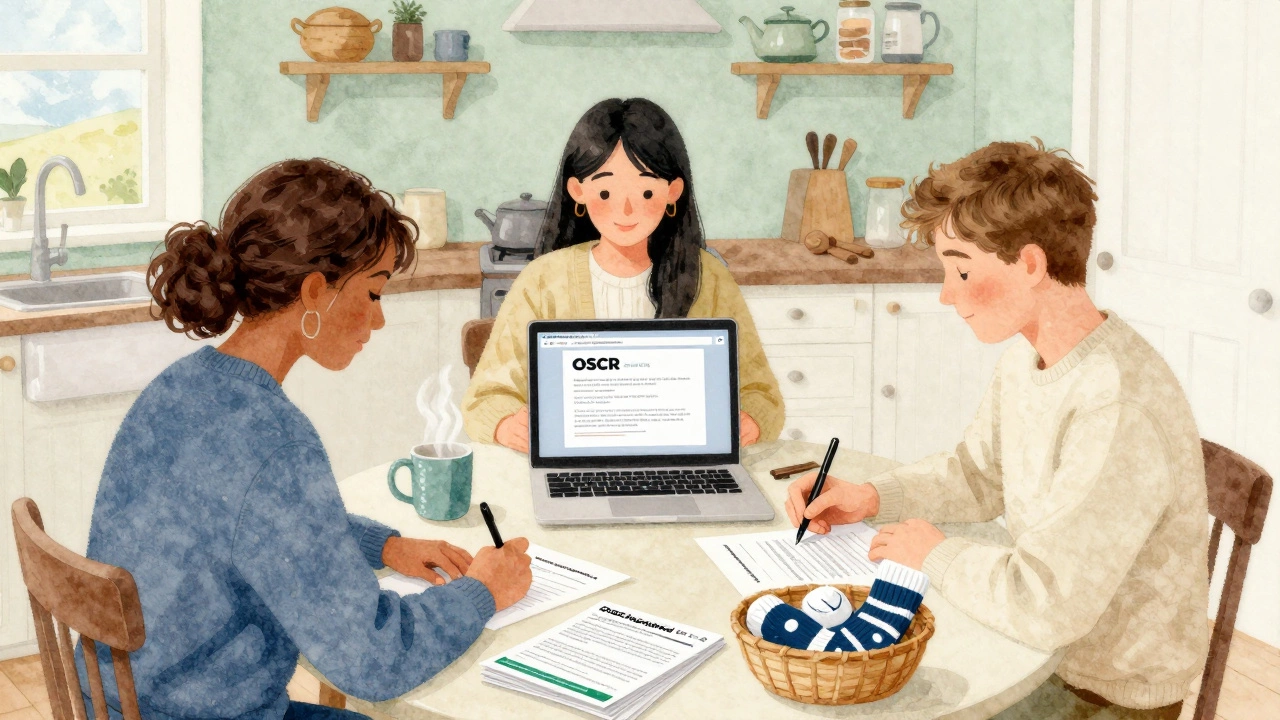
In the UK, you can legally set up a charitable trust without spending a penny. The process is simple and free through the Office of the Scottish Charity Regulator (OSCR).
You’ll need:
- A name that reflects your purpose (e.g., ‘West End Meal Network’)
- A clear statement of aims - your one-sentence mission
- At least three trustees (you + two people you trust)
- A governing document (a simple constitution)
OSCR has a free template you can download and fill out. It takes under an hour. No lawyer needed. No fee. Once registered, you can open a bank account in the trust’s name - not yours. That’s when people start trusting you. Because now you’re official.

Start Small. Start Local. Start Now.
You don’t need to launch a national campaign. You need to serve one street. One school. One housing block.
Here’s how:
- Host a ‘coffee and conversation’ at the local library. Invite people who care about your cause. Ask: ‘What’s missing here?’
- Partner with a church, mosque, or community hall. Offer to run a weekly drop-in. They provide space. You provide the idea.
- Use free tools: Google Forms for sign-ups, Canva for flyers, WhatsApp for coordination.
One man in Glasgow started a ‘Warm Coat Swap’ - people left unused coats at the library. Others took what they needed. No money changed hands. No funding. Just trust. Within a year, 14 libraries joined. He didn’t raise £1. He raised awareness. And that’s the real currency.
Ask for Help - But Make It Easy
People want to help. They just don’t know how.
Instead of saying: ‘Can you donate?’ say:
- ‘Can you volunteer for one hour every Thursday?’
- ‘Can you share this flyer with three friends?’
- ‘Can you donate a box of socks or a bag of rice?’
Small asks lead to big results. And they build momentum. Every person who says yes becomes a bridge to someone else.
When you’re ready, ask for in-kind support. A local café might give you free tea for your volunteers. A printer might do your annual report. A plumber might fix your meeting room sink. These aren’t donations - they’re investments in community.
Document Everything - Even the Tiny Wins
Every meal served. Every coat given. Every hour volunteered. Write it down. Not for a report. For proof.
When you go to your first grant application (and you will), they’ll ask: ‘What have you done so far?’ If you say ‘nothing’ - you get nothing. If you say ‘we served 87 meals last month, with 11 volunteers, in three locations’ - you get noticed.
Take photos (with permission). Keep a simple log. Use a free app like Notion or Google Sheets. You’re not building a budget - you’re building credibility.
Wait for Money? No. Build Trust First.
Money follows impact. Not the other way around.
Foundations that get funded aren’t the ones with the fanciest websites. They’re the ones with:
- A clear, urgent need
- Proof they’ve already started
- People who believe in them
Start with what you have. Serve where you are. Be consistent. The money will find you - not because you asked for it, but because you’ve already done the work.
What Comes Next?
Once you’ve served 100 people, you can apply for small grants. £500 here. £1,000 there. Community funds. Local councils. Trusts like the Scottish Community Foundation. You’ll qualify because you’ve shown you don’t need money to get started - you just needed to begin.
And that’s the secret: You don’t need money to start a foundation. You just need to start.
Can I start a charitable trust without any money in the UK?
Yes. You don’t need money to register a charitable trust in Scotland. The Office of the Scottish Charity Regulator (OSCR) allows you to register for free. You need a clear purpose, at least three trustees, and a governing document - none of which cost money. Many foundations begin with volunteer time, donated space, or in-kind goods before ever receiving cash donations.
What’s the difference between a charity and a charitable trust?
A charitable trust is a legal structure where assets (money, property, etc.) are held by trustees for charitable purposes. Many small groups start as unincorporated associations or trusts before becoming full charities. A charitable trust doesn’t require upfront funds - it requires a clear mission and legal registration. Once registered with OSCR, it becomes a charity under UK law. The key difference is structure, not funding.
How do I find volunteers if I have no budget?
Start locally. Post on community Facebook groups, Nextdoor, or local noticeboards. Offer clear, low-time commitments: ‘Help for one hour every Thursday.’ People respond to specific, simple asks. Partner with schools, churches, or youth groups - many students need volunteer hours. You don’t need to pay. You need to show purpose. People will show up if they believe in what you’re doing.
Do I need a bank account to start a foundation?
Not at first. But once you register as a charitable trust with OSCR, you can open a dedicated bank account in the trust’s name. Many banks, like Barclays and NatWest, offer free accounts for registered charities. You’ll need your OSCR registration number. Until then, use a trusted person’s personal account - but only if you keep clear records and never mix personal funds. Transparency builds trust.
Can I get funding after I start without money?
Absolutely. Funders look for evidence of action, not bank balances. If you’ve served 50 meals, mobilized 10 volunteers, or partnered with three local businesses, you have proof of impact. Small grants - like those from local councils or community foundations - often prioritize groups that have already started. Your first £500 won’t come from a big donor. It’ll come from someone who saw you doing something real.