
How to Plan a Successful Charity Event: Step-by-Step Guide
 Nov, 8 2025
Charity Impact Calculator
Set Your Goal
See how your donation goal translates into real impact
Your Impact
How your donation helps your community
*Based on real UK charity examples like Edinburgh winter coats and Glasgow food banks
Organizing a charity event doesn’t have to feel overwhelming. You don’t need a big budget, a team of professionals, or a fancy venue to make a real difference. What you do need is a clear plan, a genuine purpose, and the willingness to start small and grow from there. In the UK, over 120,000 charity events happen every year - from bake sales in village halls to 10K runs through city parks. Most of them are run by people just like you: volunteers with heart, not corporate budgets.
Start with a clear goal
Before you book a hall or print flyers, ask yourself: what exactly are you raising money for? Vague goals like “help the homeless” or “support local families” won’t cut it. People need to see the impact. Be specific. Are you raising £5,000 to buy winter coats for children in Edinburgh? £3,000 to fund six months of meals for a food bank in Glasgow? £2,000 to repair the roof of a community centre in Aberdeen?Write it down. Put a number on it. Put a name on it. This isn’t just for your own clarity - it’s for your donors. When someone gives £20, they should be able to picture exactly what that money buys. That connection is what turns casual interest into real support.
Choose the right type of event
Not every idea works for every community. Think about your audience. Who are you trying to reach? What do they enjoy? What’s realistic for your time and resources?- Low-cost, high-engagement: Bake sales, garage sales, raffles, quiz nights, or sponsored walks. These need little setup and rely on local participation.
- Community-focused: Talent shows, school fairs, car washes, or pub quizzes. Great for building local pride and drawing in families.
- Larger scale: 5K runs, charity galas, concerts, or auctions. These require more planning, permits, and volunteers - but can raise serious funds if done well.
In Edinburgh, a local mum raised £8,000 last year by hosting a ‘Tea & Tales’ afternoon at her garden. She invited neighbours to bring a homemade cake, share a story about someone they admired, and donate £5 to enter. No fancy decorations. No ticket system. Just warmth, connection, and a jar for cash.
Plan your timeline
Give yourself at least 8-12 weeks to plan. Rushing leads to mistakes. Here’s a simple breakdown:- Weeks 1-2: Finalise your cause, goal, and event type. Book your venue if needed. Start building a small team - even just two or three reliable people.
- Weeks 3-5: Apply for permits (if required), get insurance, and start promoting. Create a simple Facebook event, Instagram post, or flyer. Use free tools like Canva to design it.
- Weeks 6-8: Secure sponsors or in-kind donations. Local cafes might donate cakes. A printer might offer free flyers. A music school might lend speakers. Don’t be shy to ask.
- Weeks 9-10: Recruit and train volunteers. Assign roles: setup, registration, cash handling, cleanup.
- Weeks 11-12: Final reminders, checklists, and dry runs. Test your payment system. Make sure you have enough change for cash donations.
Don’t forget to check local council rules. In Scotland, if you’re selling alcohol, holding a raffle with prizes over £100, or using public land, you may need a licence. Visit gov.scot for details.

Make it easy to donate
People want to give - but they won’t if it’s hard. You need simple, trusted ways to donate on the day.- Online: Set up a JustGiving or GoFundMe page linked to your event. Share the link everywhere - on flyers, social media, even in email signatures.
- On-site: Use a contactless card reader (like SumUp or iZettle). They’re cheap, easy to set up, and most people pay by card now. Keep a backup cash box with change.
- Text-to-donate: Some charities offer text services. Ask your local charity if they can help you set one up.
Avoid cash-only events. They’re risky, hard to track, and discourage younger donors. Even if you’re raising £500, a digital system makes it feel more professional and trustworthy.
Engage your community
People don’t just give money - they give time, skills, and voice. Invite local businesses to sponsor your event. Ask schools to participate. Get your local newspaper to write about it. Even a small mention in the Edinburgh Evening News can double your turnout.Stories matter more than statistics. Share real examples: “This £100 will buy 50 meals for a single mother working two jobs.” “This £20 covers a week’s worth of pet food for a senior’s dog.” Make it human. Make it real.
On the day, thank people. Look them in the eye. Say “thank you” - not just once, but often. Volunteers, donors, even the person who brought a tray of biscuits. Gratitude builds loyalty. People will come back next year.
Follow up properly
The work doesn’t end when the event does. In fact, this is when trust is built or broken.- Within 48 hours, post a thank-you message on social media. Include photos (with permission), the total raised, and how the money will be used.
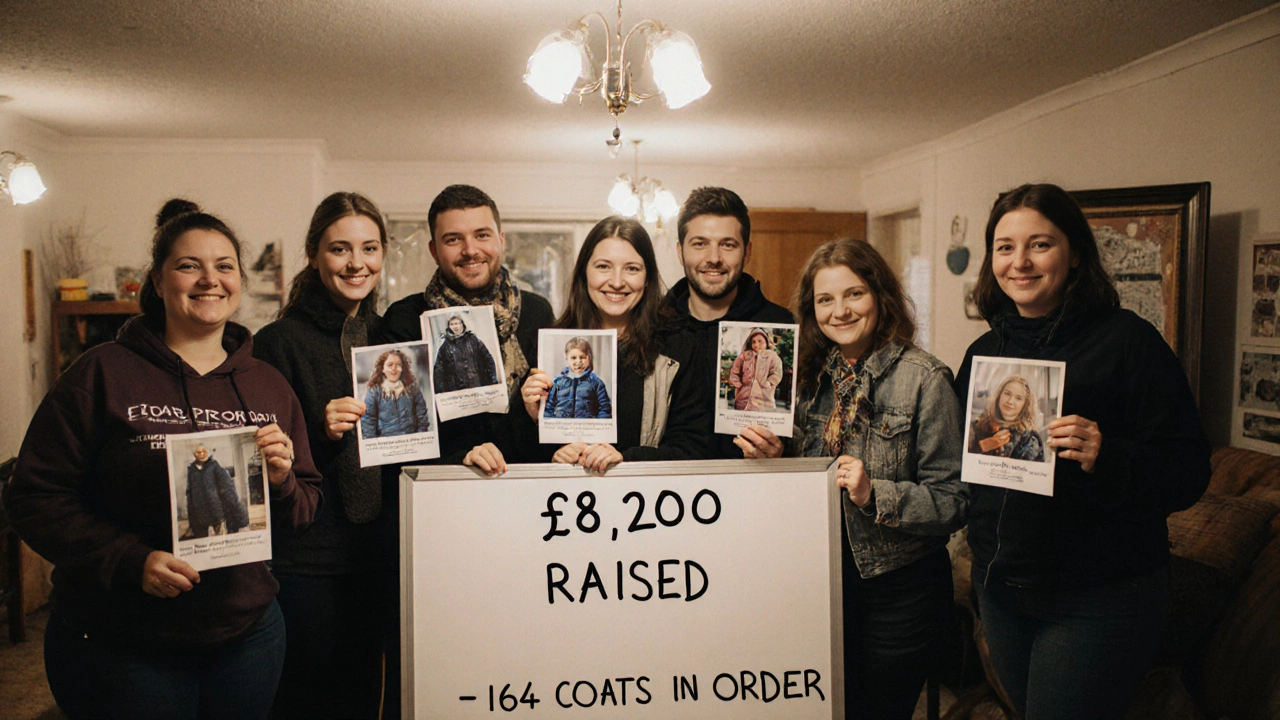
- Send a short email to everyone who donated or volunteered. No fluff. Just: “You helped raise £4,200. That means 84 children will get warm coats this winter.”
- Send a final update in 2-3 months. “The coats arrived. Here’s a photo of the kids wearing them.”
Transparency isn’t just good practice - it’s what keeps people engaged. If they don’t see the impact, they won’t give again.
What to avoid
Here are the top three mistakes most first-time organisers make:- Trying to do everything yourself. You don’t need to be the host, the cook, the treasurer, and the cleaner. Delegate. Even if you have to ask the same person twice.
- Overcomplicating the message. Don’t use jargon like “stakeholder engagement” or “impact metrics.” Say: “We’re raising money for kids who don’t have warm coats.”
- Forgetting the legal stuff. If you’re collecting money, you need to be clear about who’s receiving it. Are you raising funds for a registered charity? Then use their official page. Are you raising money independently? Then register as a community group with the Office of the Scottish Charity Regulator (OSCR) if you’re over £5,000.
And don’t worry about perfection. Your first event won’t be flawless. That’s okay. What matters is that you started.
Need help? Reach out
You’re not alone. Local charities, community centres, and even libraries often have free resources for event organisers. In Edinburgh, the Volunteer Edinburgh team offers free advice, templates, and volunteer matching. Contact them - they’ve helped hundreds of people just like you.Remember: a charity event isn’t about how big it is. It’s about how many hearts it touches. One cake sale. One walk. One afternoon of tea and stories. That’s enough to change someone’s day. And sometimes, that’s all it takes to start something bigger.
Do I need to be a registered charity to host a charity event?
No, you don’t need to be a registered charity to host an event. But if you’re raising more than £5,000 in a year, you must register with the Office of the Scottish Charity Regulator (OSCR). For smaller amounts, you can raise money on behalf of an existing registered charity - just make sure they approve your event and provide you with their official fundraising page. If you’re raising money for yourself or an unregistered group, you must be clear about where the funds are going and keep accurate records.
How much should I charge for tickets?
There’s no fixed rule, but aim for £5-£15 for small local events like quiz nights or bake sales. For larger events like runs or galas, £20-£50 is common. Always offer free entry for volunteers and children under 12. Consider a “pay what you can” option - it encourages participation without turning people away. The goal isn’t to maximise profit, but to maximise participation and awareness.
Can I use social media to promote my event?
Absolutely. Facebook Events, Instagram Stories, and local community groups on Facebook are some of the most effective free tools. Post regularly - not just the day before. Share behind-the-scenes photos, thank volunteers, and post countdowns. Use hashtags like #EdinburghCharity or #SupportLocalCharity. Don’t forget to tag local businesses and influencers - they often share posts from their community.
What if my event doesn’t raise much money?
It’s not a failure. Many first-time events raise less than expected - but they build relationships, awareness, and momentum. If you raised £500 instead of £2,000, that’s still £500 that helped someone. And if you had 80 people show up, you’ve built a community. Use the feedback to improve next time. Talk to attendees. Ask what they liked and what they’d change. Most successful events grew from small, humble beginnings.
Can I run a charity event without a venue?
Yes, many of the most successful events happen without a formal venue. A park, a front garden, a local café’s outdoor space, or even a street corner can work. For example, a group in Leith held a ‘Donate a Book’ stall outside the library for a week. People dropped off books and gave cash. No ticket, no tables, no permits needed. The key is visibility and safety. Make sure you’re not blocking walkways, and check local bylaws if you’re using public space.