
How to Organize a Community Outreach Program: A Practical Guide
 Aug, 23 2026
Community Outreach Program Planner
Strategic Recommendation
Ready to Plan?
Configure your program details on the left and click "Generate Plan" to see your customized timeline and budget breakdown.
Most community outreach programs fail not because of lack of heart, but because of poor logistics. You might have a great idea to help neighbors, but if you don’t know who exactly needs the help or how to reach them efficiently, the effort fizzles out within weeks. The difference between a one-off event and a sustainable initiative lies in the structure behind it. This guide breaks down the exact steps to build an outreach program that actually sticks, using real-world examples from small-town initiatives to city-wide campaigns.
Define Your Core Objective and Target Audience
Before you print flyers or book a venue, you need to answer two questions: What is the specific problem we are solving, and who exactly is affected by it? Vague goals like "helping the community" lead to scattered efforts. Instead, aim for specificity. For example, rather than "improving health," try "reducing food insecurity among elderly residents in the Northside district." This clarity helps you allocate resources where they matter most.
To identify your target audience, look at local data sources. Local council reports, census data, and feedback from existing local charities can highlight gaps in service. If you are targeting young families, check which schools and parks they frequent. If you are focusing on seniors, look into community centers or senior living facilities. Understanding the demographic profile ensures your messaging resonates. A survey conducted in 2024 by the National Association of Nonprofits found that programs with clearly defined demographics were 40% more likely to retain volunteers compared to those with broad, undefined targets.
Build a Coalition of Stakeholders
You cannot do this alone. Effective Community Outreach is a coordinated effort involving multiple local actors working toward a shared social goal. Start by identifying key stakeholders. These typically include:
- Local Government: City councils often provide permits, funding, or venues.
- Businesses: Local shops can offer discounts, sponsorship, or volunteer staff.
- Schools and Universities: Students make excellent volunteers, and educational institutions gain community credit.
- Existing NGOs: Partnering with established charities avoids duplication of work and leverages their trust networks.
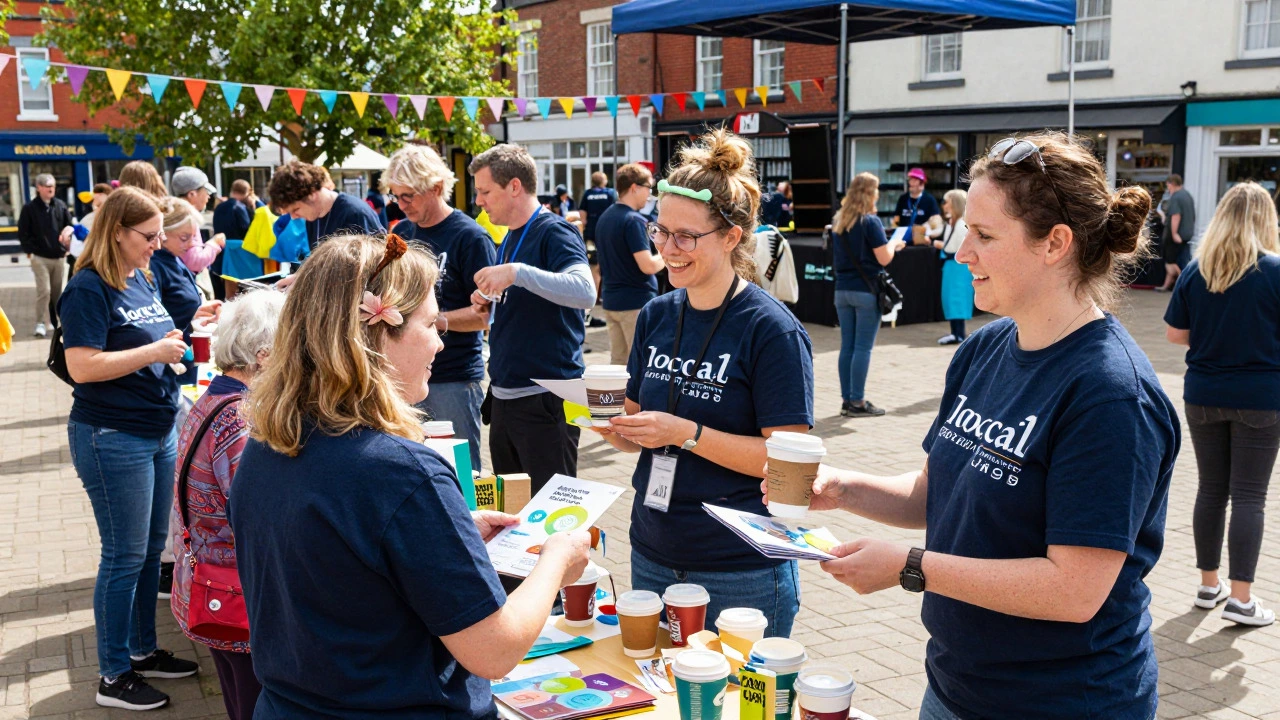
Reach out to these groups early. A simple email or phone call explaining your vision can open doors. For instance, a recent project in Edinburgh partnered with three local cafes to distribute free coffee and snacks to attendees of a mental health awareness walk. The cafes gained positive press, and the organizers saved significantly on catering costs. This mutual benefit is the cornerstone of successful partnerships.
Design the Program Structure and Logistics
Now that you have your 'who' and 'what,' you need the 'how.' This involves creating a realistic timeline and operational plan. Break the project into phases: Planning (1-2 months), Launch (1 week), Execution (ongoing), and Review (post-event).
Consider the format of your outreach. Is it a one-time event, like a clean-up day or a food drive? Or is it a recurring service, like a weekly mentoring session? One-time events are easier to manage but require constant re-engagement. Recurring services build deeper relationships but demand consistent staffing. Choose based on your capacity. If you have a small team, start with a pilot event. Test your processes, gather feedback, and adjust before scaling up.
| Format Type | Pros | Cons | Best For |
|---|---|---|---|
| One-Time Events | High visibility, easy to schedule, lower long-term commitment | Short-lived impact, requires repeated promotion | Raising awareness, quick fundraising |
| Recurring Services | Deep community bonds, consistent support, reliable data collection | Requires stable volunteer base, higher administrative load | Mentoring, regular food distribution, health checks |
| Digital Campaigns | Wide reach, low cost, easy to measure | Less personal connection, digital divide issues | Information sharing, virtual volunteering |
Secure Funding and Resources
Money talks, even in community projects. You need a budget that covers direct costs (materials, transport, insurance) and indirect costs (admin time, marketing). Look beyond traditional grants. Many local businesses offer matching funds for employee volunteer days. Crowdfunding platforms can also be effective if you tell a compelling story about the specific people you are helping. Keep your overheads low initially. Use free tools for scheduling and communication. As your program grows, apply for larger grants from national bodies or corporate social responsibility funds. Always keep detailed records of expenses; transparency builds trust with donors and stakeholders alike.
Implement Communication and Engagement Strategies
The best program is useless if no one knows about it. Develop a multi-channel communication strategy. Social media is essential, but don’t rely on it exclusively. Many community members, especially older adults, still prefer word-of-mouth, local newspapers, or physical posters in community boards. Create clear, concise messages. Focus on the benefit to the resident, not just the mission of the organization. For example, instead of saying "We are conducting a survey on housing conditions," say "Help shape the future of our neighborhood streets." Personalization works wonders. Mention specific local landmarks or names to create a sense of ownership.

Measure Impact and Iterate
How do you know if it worked? Define Key Performance Indicators (KPIs) before you launch. Common metrics include:
- Number of participants or beneficiaries reached.
- Volunteer retention rate.
- Funds raised versus budget.
- Qualitative feedback (surveys, interviews).
Don’t just count heads. Ask people how they felt. Did they feel more connected to their neighbors? Did they solve a specific problem? Use this data to refine your next cycle. If attendance was low, was the timing wrong? If volunteers quit, was the training insufficient? Continuous improvement is what separates amateur efforts from professional-grade community work. Share your results publicly. Transparency encourages further participation and makes it easier to secure future support.
Common Pitfalls to Avoid
Even experienced organizers make mistakes. Here are the most common traps:
- Scope Creep: Trying to do too much too fast. Stick to your core objective.
- Ignoring Accessibility: Ensure your events are accessible to people with disabilities and non-native speakers.
- Lack of Follow-Up: Don’t let participants disappear after the event. Send thank-you notes and invite them to future activities.
- Burnout: Rotate responsibilities among your team. No single person should carry the entire load.
Organizing a community outreach program is less about perfection and more about persistence. Start small, listen to your community, and adapt as you go. The goal isn’t just to hold an event; it’s to build a network of care that lasts long after the banners come down.
How much money do I need to start a community outreach program?
You can start with very little, even under £50, by leveraging in-kind donations like venue space and printed materials. The main cost is usually time. As you grow, you can apply for small local grants ranging from £500 to £5,000.
What is the best way to recruit volunteers?
Partner with local schools, universities, and workplaces. Offer clear roles and flexible schedules. Make sure the first experience is positive and well-managed, as word-of-mouth is the most powerful recruitment tool.
How long does it take to see results from community outreach?
Immediate results like attendance numbers appear right away. However, deep community change, such as increased trust or behavioral shifts, typically takes 6 to 12 months of consistent engagement.
Do I need legal permission to run a community event?
It depends on the location. Public spaces often require a permit from the local council. Private venues may require insurance. Always check with your local authority and get public liability insurance to protect yourself and your volunteers.
How do I handle negative feedback from community members?
Listen actively and respond promptly. Often, criticism stems from a lack of information. Address the specific concern, explain your rationale, and show how their input will improve the program. Turning critics into collaborators is a sign of a healthy community process.