
How to Make Money Off a Free Event: Real Strategies for Charity Events
 Dec, 28 2025
Fundraising Potential Calculator
Estimated Revenue
Your results may vary based on local audience and strategy effectiveness
You’ve planned a free event. Maybe it’s a community picnic, a local music night, or a kids’ art fair. Everyone’s excited. Attendance is high. But when the day ends, your bank account looks the same as it did before. You’re left wondering: how to make money off a free event when no one’s paying to get in?
The truth? Free doesn’t mean unprofitable. In fact, some of the most successful charity events in the UK charge nothing at the door but still raise thousands. The trick isn’t in the ticket price-it’s in what happens after people walk through the gate.
Turn Attendance Into Income
People show up for free events because they care. They want to support your cause. That’s your biggest asset. Don’t waste it by just handing out flyers and hoping for donations.
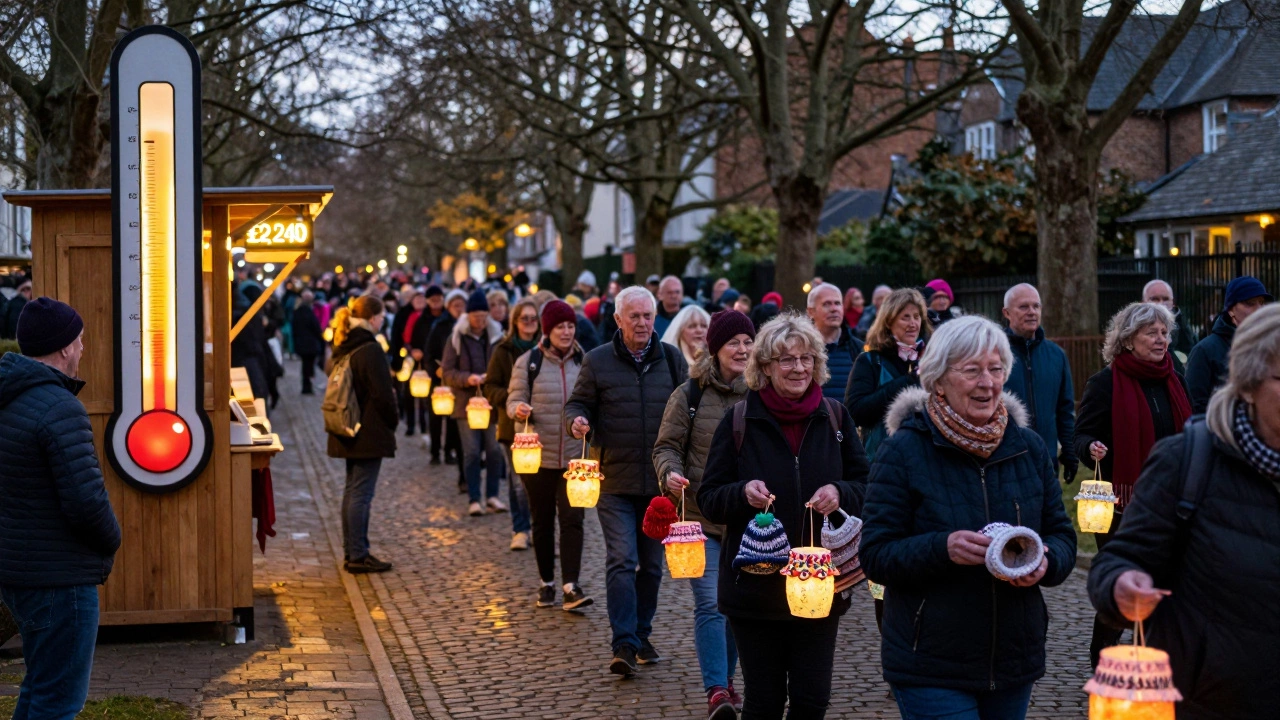
Start by setting up clear, simple donation points. Not just a lone box with a sign saying ‘Please Give’. Make it visual. Use a thermometer-style progress bar on a board showing your goal-say, £5,000 for new playground equipment. Put it near the food stall or the main stage. People don’t give because they’re asked. They give because they can see the impact.
One group in Edinburgh ran a free winter lantern walk. They didn’t charge entry. But at the end, they had a small tent with hand-knitted woolly hats made by local seniors. Each hat cost £8 to make. They sold them for £15. Every hat sold meant £7 went straight to the charity. They sold 320 hats in three hours. That’s £2,240 raised-without a single ticket.
Sell Something People Actually Want
Free events attract crowds. Crowds want snacks, drinks, souvenirs, and experiences. If you’re not offering something to buy, you’re leaving money on the table.
Think beyond cookies and lemonade. What’s unique about your event? If it’s a book swap, sell custom bookmarks made by local artists. If it’s a dance workshop, offer printed playlists with QR codes linking to the music. If it’s a pet fair, sell custom pet bandanas with the event logo.
Here’s what works: low-cost, high-perceived-value items. A £3 item that feels like a £10 keepsake? That’s a winner. People don’t mind spending £5 if they feel they’re getting something meaningful-or if it reminds them of a great day.
One community group in Glasgow hosted a free street theatre day. They partnered with a local bakery to make themed cupcakes-‘Shakespeare’s Sweets’ and ‘Hamlet’s Chocolate’. Each cupcake cost £1.50 to make. Sold for £4.50. They sold 420. Net profit: £1,260. And people posted photos online. Free advertising.
Get Local Businesses to Pay You
Small businesses love free events. They get foot traffic, brand exposure, and a chance to connect with real people. So why not ask them to pay to be part of it?
Set up vendor stalls. Charge £20-£50 for a 10x10ft space. That’s less than most markets charge, but your event is free-so it’s a better deal for them. In return, they bring their own products, staff, and cash registers. You get revenue without lifting a finger.
But don’t just rent space. Offer value. Give them a spotlight. Let them do a 5-minute demo. Hand out their flyers. Mention them over the mic. Make them feel like partners, not tenants.
A free gardening fair in Aberdeen got 12 local nurseries to pay £30 each to set up. They brought plants, tools, and free soil samples. The event drew 800 people. The charity netted £360 just from vendor fees-and the nurseries sold £4,000 worth of plants. Everyone won.

Run a Silent Auction or Raffle
A silent auction doesn’t need a big crowd. It just needs good stuff and clear rules.
Ask local businesses to donate: a dinner for two at a restaurant, a weekend stay at a B&B, a massage voucher, a painting from a local artist. Put each item on a table with a bid sheet. People write their name and bid. No one knows who’s bidding what. It’s low-pressure. And it works.
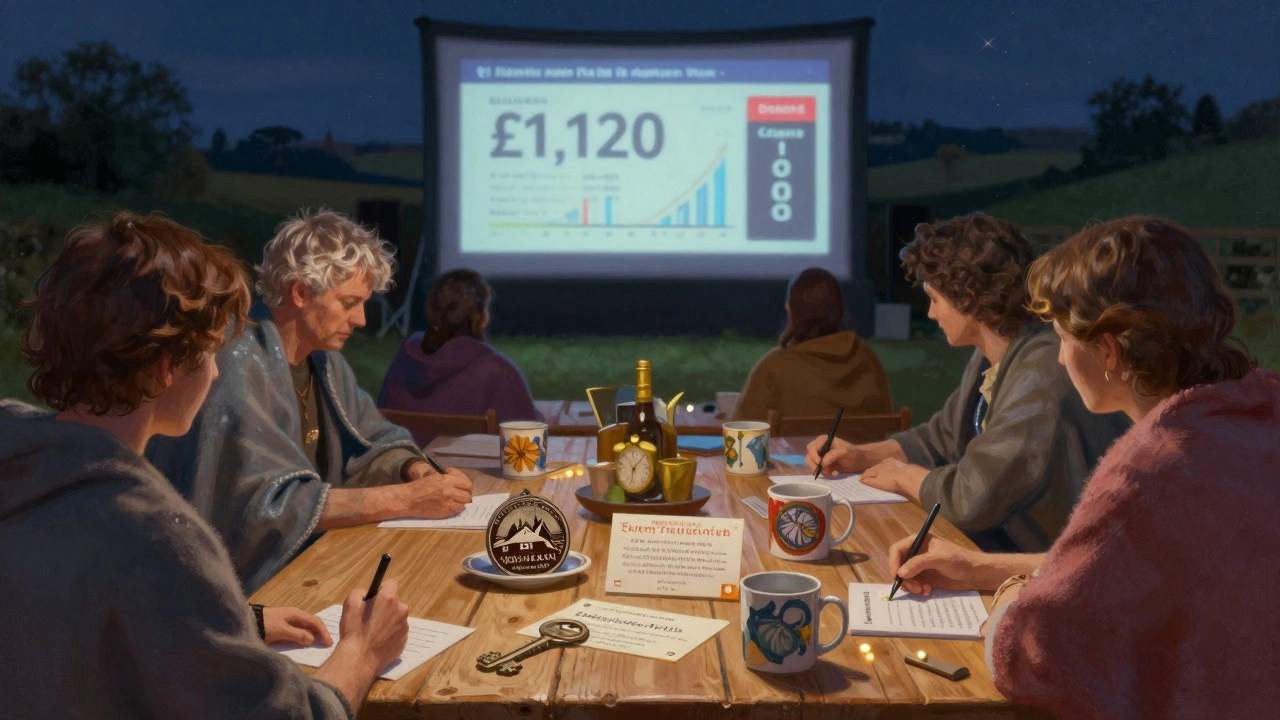
One charity in Dundee ran a silent auction at a free family movie night. They got 17 donated items. The highest bid? £180 for a weekend at a Highland cabin. The lowest? £25 for a hand-painted mug. Total raised: £1,120. All from items that cost the donors nothing.
Raffles are even simpler. Sell tickets for £1 or £2. Prize? A basket of local goodies. You can even use digital ticketing apps like Rafflecopter or Eventbrite’s free tier to track sales. One group in Edinburgh sold 600 raffle tickets at a free music event. Prize: a £200 gift card to a local bookstore. Net profit: £900.
Use Your Event as a Lead Generator
Not every dollar comes from cash in hand. Sometimes, the money comes later-through sign-ups.
Set up a simple table where people can join your email list. Offer something in return: a free printable recipe book, a list of local volunteering opportunities, a discount code for a future paid event. You’re not selling anything. You’re building a relationship.
Then, follow up. Three days after the event, send an email: ‘Thanks for coming! Here’s what we raised-and how you helped.’ Include a link to donate, become a member, or volunteer. People who showed up already like you. They just need a nudge.
A free mental health awareness day in Leith collected 420 email sign-ups. Two weeks later, they sent a campaign asking for monthly donors. 17% signed up. That’s 71 recurring donors at £10/month. That’s £8,520 a year-just from one free day.
Partner With a Sponsor
Sponsorship isn’t just for big festivals. Even a small free event can attract local sponsors.
Look for businesses that align with your cause. A food bank hosting a free meal day? Approach a local grocery chain. A youth sports event? Talk to a sports equipment store. Offer them visibility: logo on banners, mention in announcements, social media shoutouts.
Don’t ask for cash. Ask for in-kind support. A coffee shop might donate 100 cups of hot chocolate. A printing shop might donate flyers. A tech company might lend a sound system. You save money on costs-and you can redirect that saved cash to your cause.
One charity in Perth ran a free Christmas tree lighting. A local hardware store donated 500 fairy lights. A bakery donated 200 mince pies. A radio station donated free ad time. The event cost £0 to run. They raised £2,100 in donations. The sponsors got 12,000 impressions across social media and local news.
Track What Works-And Do More of It
Not every tactic will work. That’s fine. But you need to know what did.
At the end of your event, ask three simple questions:
- What did people spend money on?
- What did they say when they walked away?
- Who came back to donate later?
Write it down. Next year, do more of that. Drop what didn’t work.
One group tried selling branded T-shirts at a free beach clean-up. Only 12 sold. But they noticed people kept taking photos with the cleanup signs. So next year, they printed reusable tote bags with the event logo. Sold 200. Each bag cost £2.50 to make. Sold for £10. Net: £1,500.
It’s not about the event being free. It’s about being smart with what you have.
Start Small. Think Big.
You don’t need a stadium. You don’t need a big budget. You just need people who care-and a plan to turn their presence into support.
Free events are powerful because they remove barriers. More people come. More people see your cause. More people feel connected. That’s the foundation. Now, build on it.
Next time you plan a free event, ask yourself: ‘Where can we turn this crowd into cash?’ Not with guilt. Not with pressure. But with value, choice, and a little creativity.
Because the best fundraisers aren’t the ones who charge the most. They’re the ones who make people want to give.
Can you really make money from a free event without selling anything?
Yes, but not easily. The most reliable way is through donations, sponsorships, or post-event follow-ups. If you don’t sell anything, you need strong storytelling and clear donation prompts. For example, setting up a live donation thermometer at the event and sharing real-time updates can boost giving. Email sign-ups afterward can also turn attendees into long-term donors.
What’s the best item to sell at a free charity event?
The best items are low-cost, high-perceived-value, and tied to your cause. Think custom tote bags, handmade crafts, themed snacks, or digital downloads like printable art or playlists. Items that feel personal or unique-like a mug made by a local artist or a recipe book from your volunteers-sell better than generic merch. People pay for memories, not just products.
How much should I charge for vendor stalls at a free event?
For small local events, charge between £20 and £50 per 10x10ft space. That’s affordable for small businesses and still profitable for you. Offer extras like social media tags, a mention in your event newsletter, or a spot on your stage. The goal is to make it worth their while-not to profit heavily. Many vendors will give back by donating a portion of sales to your cause.
Do silent auctions work at small events?
Absolutely. Silent auctions thrive on personal connections. Even a small event with 200 people can raise £1,000+ if you have 10-15 good donated items. Focus on local experiences: dinner vouchers, spa treatments, weekend getaways. Ask local businesses to donate-they get exposure, and you get revenue. Use bid sheets with numbers, not names, to keep it low-pressure.
How do I get businesses to sponsor my free event?
Don’t ask for money. Ask for support. Pitch it as a community opportunity: ‘We’re hosting 500 people on Saturday. Your logo on our banners and social posts will reach them all.’ Offer visibility, not just a logo. Include them in your event description, mention them on stage, and tag them in posts afterward. Most local businesses will donate goods or services instead of cash-and that saves you money, which equals profit.
Is it better to use cash or digital payments at a free event?
Use both, but lean toward digital. Many people don’t carry cash anymore. Set up QR codes linked to your donation page on every table, stall, and sign. Use free tools like PayPal Giving Fund, JustGiving, or GoFundMe Charity. But keep a small cash box nearby for older attendees or those who prefer it. The goal is to remove friction-make giving as easy as scanning a code.