
How to Make a Career Out of Volunteering: A Practical Guide
 Jul, 27 2026
Volunteer-to-Career Translator
Select Your Volunteer Activities:
Your Career Translation Report
Recommended Job Titles
Key Transferable Skills
Resume Tip:
You’ve spent years giving your time away for free. You’ve organized food drives, mentored at-risk youth, and managed campaigns for local charities. Now you’re looking at your bank account and wondering if this passion can actually pay the rent. The short answer is yes. But it won’t happen by accident.
Turning volunteering into a full-time profession requires a shift in mindset. You stop being just a helper and start being a strategist, a manager, or a specialist. The nonprofit sector isn’t just about heart; it’s about logistics, finance, data, and communication. If you can prove you’ve mastered those skills while wearing a volunteer badge, you become highly employable.
Translate Your Volunteer Hours Into Professional Skills
The biggest mistake volunteers make when seeking paid roles is listing their duties instead of their achievements. Saying you “helped pack boxes” sounds like entry-level labor. Saying you “optimized inventory distribution, reducing waste by 15%,” sounds like operations management. Employers in the third sector don’t care how much you cared; they care what you delivered.
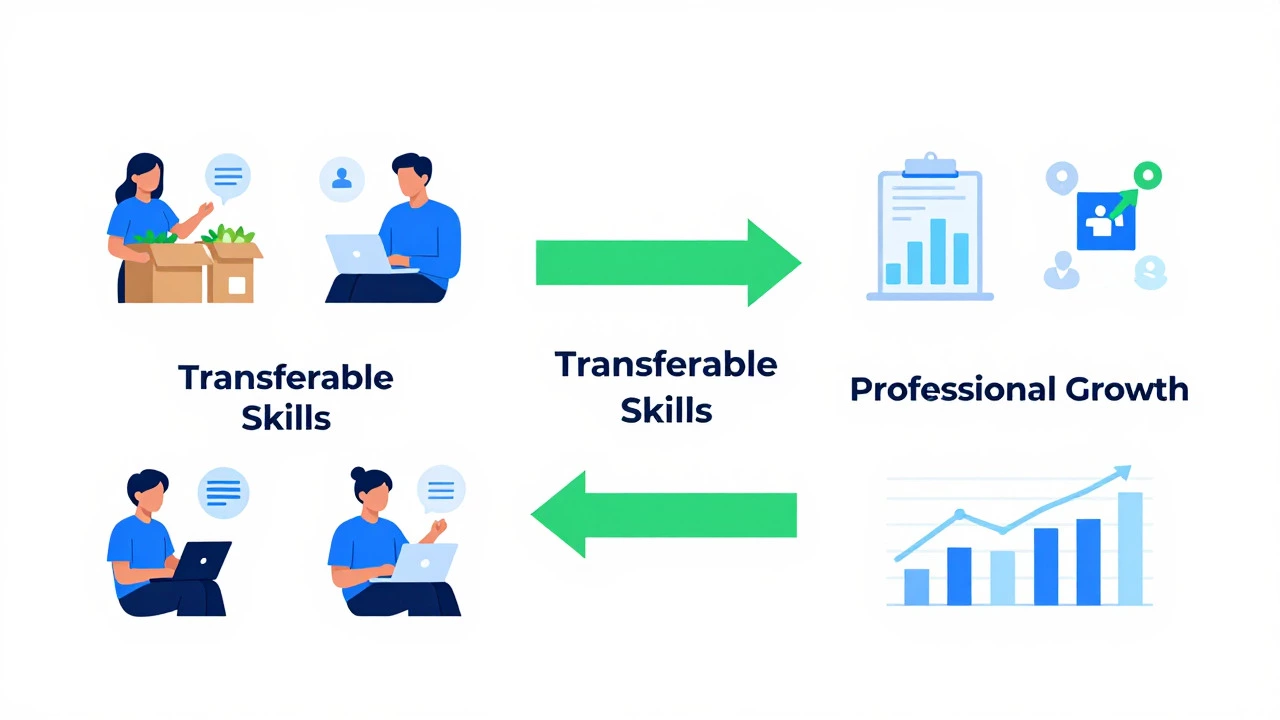
You need to audit your past experiences through a professional lens. Look at every role you’ve held and identify the transferable skills. Did you recruit other volunteers? That’s human resources and team leadership. Did you write grant proposals that secured funding? That’s technical writing and financial planning. Did you manage social media accounts that grew followers by 20%? That’s digital marketing.
Here is how to map common volunteer activities to corporate job titles:
- Event Coordination translates to Project Management or Operations Specialist.
- Fundraising Calls translates to Business Development or Sales Associate.
- Tutoring or Mentoring translates to Training Coordinator or Customer Success Manager.
- Social Media Posting translates to Content Marketing or Community Manager.
When you update your CV, create a section called "Professional Experience" rather than "Volunteer Work." Treat these roles with the same gravity as paid employment. Include dates, organization names, and quantifiable results. This signals to hiring managers that you treat your mission-driven work with professional rigor.
Target the Right Roles Within the Nonprofit Sector
Not all jobs in the charity world are created equal. Some organizations operate with lean budgets and offer low wages, while others function like large corporations with competitive salaries and benefits. To build a sustainable career, you need to target specific types of entities.
| Organization Type | Salary Expectation | Career Growth Potential | Best For |
|---|---|---|---|
| International NGOs (e.g., Red Cross, Oxfam) | High | Very High | Those willing to relocate and handle complex logistics |
| Large National Charities (e.g., Cancer Research, RSPCA) | Moderate to High | High | Specialists in fundraising, HR, and IT |
| Local Community Groups | Low | Low | Entry-level roles or those prioritizing flexibility over income |
| Consultancies & Agencies | High | High | Experts who want to advise multiple nonprofits |
Consider working for a consultancy that serves nonprofits. These firms hire experts in marketing, legal compliance, and technology to help charities run better. You earn a corporate salary while still contributing to the social good. It’s a strategic way to leverage your volunteer knowledge without sacrificing financial stability.
Build a Network That Actually Opens Doors
In the nonprofit sector, who you know matters more than where you went to school. Most senior positions are filled through internal referrals or trusted networks before they ever hit job boards. Your volunteer history gives you a unique advantage here: you already have access to decision-makers.
Start by identifying the people you’ve worked alongside during your volunteer shifts. The program directors, the board members, the lead fundraisers. Don’t just say goodbye when your shift ends. Ask them for fifteen minutes of coffee or a virtual call. Tell them you’re serious about building a career in this space and ask for their advice on skill gaps.
Join professional associations related to your niche. If you volunteered in environmental conservation, join bodies like the Institute of Environmental Management and Assessment. Attend their conferences. Speak up in forums. When you apply for jobs later, these connections will provide warm introductions that bypass the initial resume screening pile.
Pursue Targeted Education and Certifications
While passion is the fuel, credentials are the engine. Many volunteers assume their hands-on experience replaces formal education. In reality, many mid-to-senior roles require specific qualifications. You need to bridge the gap between "I did this" and "I am certified to do this."
Look into certifications that are recognized across the sector. Project Management Professional (PMP) certification is valuable for anyone managing programs. Google Analytics or HubSpot Academy certifications boost credibility for digital roles. For fundraising, consider courses from the Association of Fundraising Professionals (AFP) or similar bodies in your region.
If you lack a university degree, look for apprenticeships. The UK government, for example, offers apprenticeship schemes in the charity sector that combine paid work with study. These programs allow you to earn while you learn, removing the financial barrier to entry. They also signal to employers that you are committed to long-term growth within the industry.
Navigate the Financial Reality of Social Impact Careers
Let’s be honest: making a career out of volunteering often means accepting lower starting salaries compared to the private sector. However, this gap narrows significantly as you move into specialized roles. A volunteer coordinator might earn modestly, but a Director of Development at a major hospital foundation can command a six-figure salary.
To mitigate early-career financial stress, consider hybrid models. Keep a part-time job in a high-demand field like tech or finance while volunteering strategically on weekends. Use this period to build your portfolio and network. Once you land your first paid role in the sector, transition fully. This approach prevents burnout and keeps your options open.
Also, factor in non-monetary benefits. Many nonprofits offer generous leave policies, flexible working hours, and strong community support. These perks have real value, especially if you prioritize work-life balance over maximum income. Calculate your total compensation package, not just the base salary.
Common Pitfalls to Avoid
Even with the best intentions, many aspiring professionals stumble. Here are the most common traps:
- Staying in Generalist Roles Too Long: Being a "jack of all trades" is great for small startups but bad for career progression. Specialize early. Become the go-to person for grants, or data analysis, or donor retention.
- Burnout: The line between work and life blurs in mission-driven fields. Set strict boundaries. If you give everything away for free, you may resent asking for payment later.
- Igoring Data: Modern nonprofits run on metrics. Learn to use Excel, SQL, or CRM software like Salesforce. Ability to interpret data makes you indispensable.
- Assuming Passion Equals Competence: Loving animals doesn’t make you a zookeeper. Loving kids doesn’t make you a teacher. Acquire the hard skills required for the job.
Next Steps for Aspiring Professionals
If you’re ready to make the leap, start today. Pick one organization where you currently volunteer and ask the manager for feedback on your performance. Identify one skill gap and enroll in a relevant course. Update your LinkedIn profile to highlight measurable outcomes from your volunteer work. Then, reach out to three people in roles you aspire to and request informational interviews.
The path from volunteer to professional is paved with intentional action. It requires treating your unpaid work with the seriousness of a business venture. By doing so, you transform your passion into a sustainable, impactful career.
Can I get a job in a nonprofit with only volunteer experience?
Yes, absolutely. Many nonprofits value practical experience over degrees. However, you must frame your volunteer work as professional experience. Highlight specific achievements, such as funds raised or events managed, rather than just listing duties. Entry-level roles like program assistant or coordinator are common starting points.
Do nonprofit jobs pay well?
Salaries vary widely. Small local charities often pay below market rate. Large international NGOs and corporate-backed foundations offer competitive salaries comparable to the private sector. Specialized roles in finance, IT, and executive leadership tend to pay the most.
What skills are most in demand in the charity sector?
Fundraising, project management, digital marketing, and data analysis are consistently in high demand. Soft skills like empathy and communication are essential, but hard skills that drive efficiency and revenue generation are what secure higher-paying roles.
Should I get a degree to work in nonprofits?
It depends on the role. Administrative and entry-level positions rarely require degrees. Senior leadership, policy-making, and specialized technical roles often prefer or require advanced degrees. Certifications and apprenticeships can also substitute for formal degrees in many cases.
How do I stand out when applying for charity jobs?
Demonstrate alignment with the organization's mission. Show how your specific skills solve their current problems. Use data to prove your impact in previous volunteer roles. Networking is crucial; try to get a referral from someone already inside the organization.