
How to Create a Successful Community Outreach Program: A Step-by-Step Guide
 Jun, 14 2026
Community Outreach Strategy Builder
Step 1: What is your primary outreach goal?
Volunteer Recruitment
Attract and engage volunteers for your cause or events
Fundraising
Raise money through donations, grants, or sponsorships
Awareness Campaign
Increase visibility and educate the public about your mission
Your Personalized Outreach Strategy
Recommended Action Plan:
Best Engagement Channels:
Key Performance Indicators to Track:
Imagine sending out fifty emails to local businesses, only to hear crickets. Or hosting an event where the only people showing up are your staff members and their relatives. It happens more often than you’d like to admit. Building a successful outreach program isn’t about shouting the loudest; it’s about listening first. If you’re trying to connect with a community-whether for a charity, a local business, or a civic group-you need a plan that respects people’s time and offers real value.
Many organizations treat outreach like a checklist item: send a newsletter, post on social media, and hope for the best. That approach rarely works in 2026. People are bombarded with messages. To cut through the noise, you need a strategy rooted in empathy, clear goals, and consistent follow-up. This guide breaks down exactly how to build that strategy from scratch, ensuring every effort leads to genuine connection rather than just another digital footprint.
Define Your Purpose and Audience Clearly
Before you design a single flyer or draft an email, you need to answer two questions: Why are we doing this? And who exactly do we want to talk to? Vague answers lead to vague results. If your goal is "to help the community," that’s too broad. Are you trying to raise funds for a food bank? Recruit volunteers for a park cleanup? Increase brand awareness for a local shop?
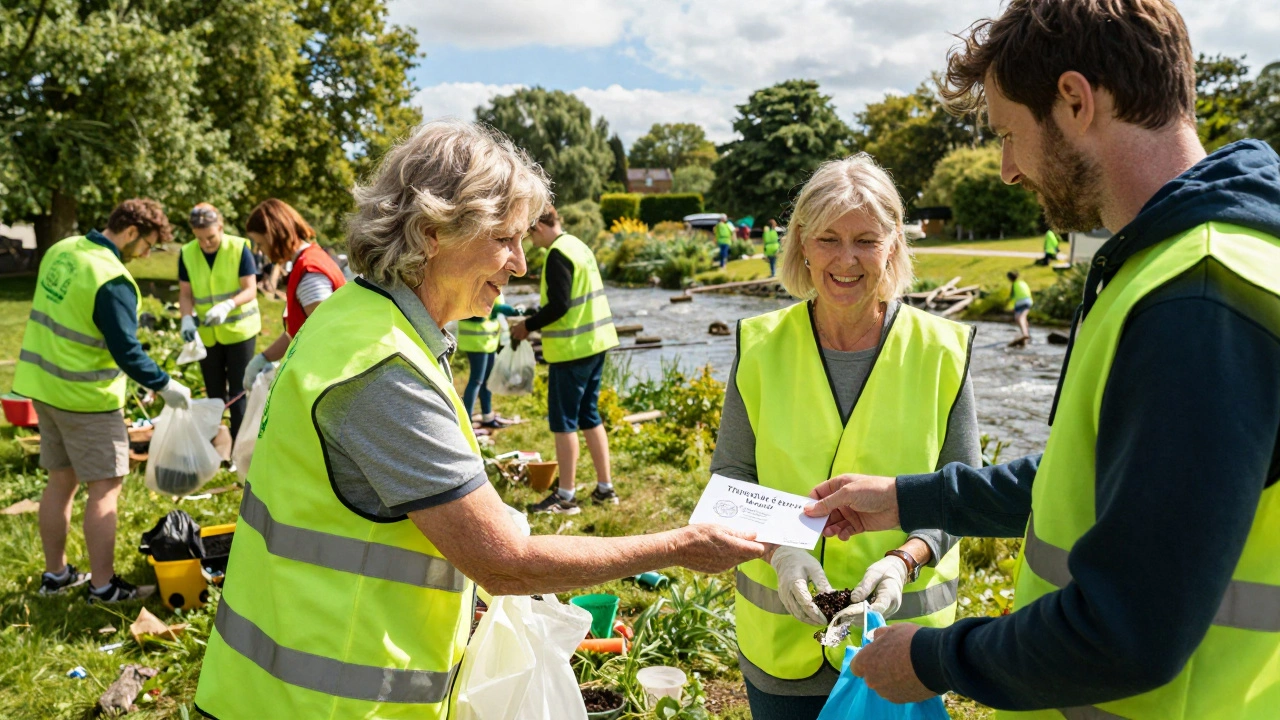
Let’s say you run a small environmental nonprofit. Your specific goal might be to recruit fifty new monthly volunteers for river cleanups by the end of Q3. Now, who are these volunteers? They aren’t just "people." They might be university students looking for extracurriculars, retirees seeking purpose, or young professionals wanting to give back. Understanding their motivations changes everything. Students care about networking and certificates. Retirees care about flexibility and social interaction. Tailoring your message to these specific groups makes your outreach feel personal, not generic.
| Outreach Goal | Primary Audience | Key Motivation |
|---|---|---|
| Volunteer Recruitment | Students, Retirees | Skill-building, Social Connection |
| Fundraising | Local Businesses, Alumni | CSR Compliance, Emotional Impact |
| Awareness Campaign | General Public | Curiosity, Community Pride |
Build Trust Before Asking for Anything
Trust is the currency of community work. You can’t expect someone to donate money or give their Saturday morning if they don’t know who you are or why they should believe you. Start by giving value before asking for anything. Share useful resources, highlight success stories of other community members, or offer free workshops related to your mission.
If you’re reaching out to local businesses, don’t start with a donation request. Instead, invite them to a networking breakfast where they can meet other local owners. Provide value first. When you eventually ask for support, they’ll already see you as a partner, not just another organization needing help. Transparency is key here. Be open about how funds are used or what volunteers will actually be doing. Hiding behind jargon or vague promises kills trust instantly.
Choose the Right Channels for Engagement
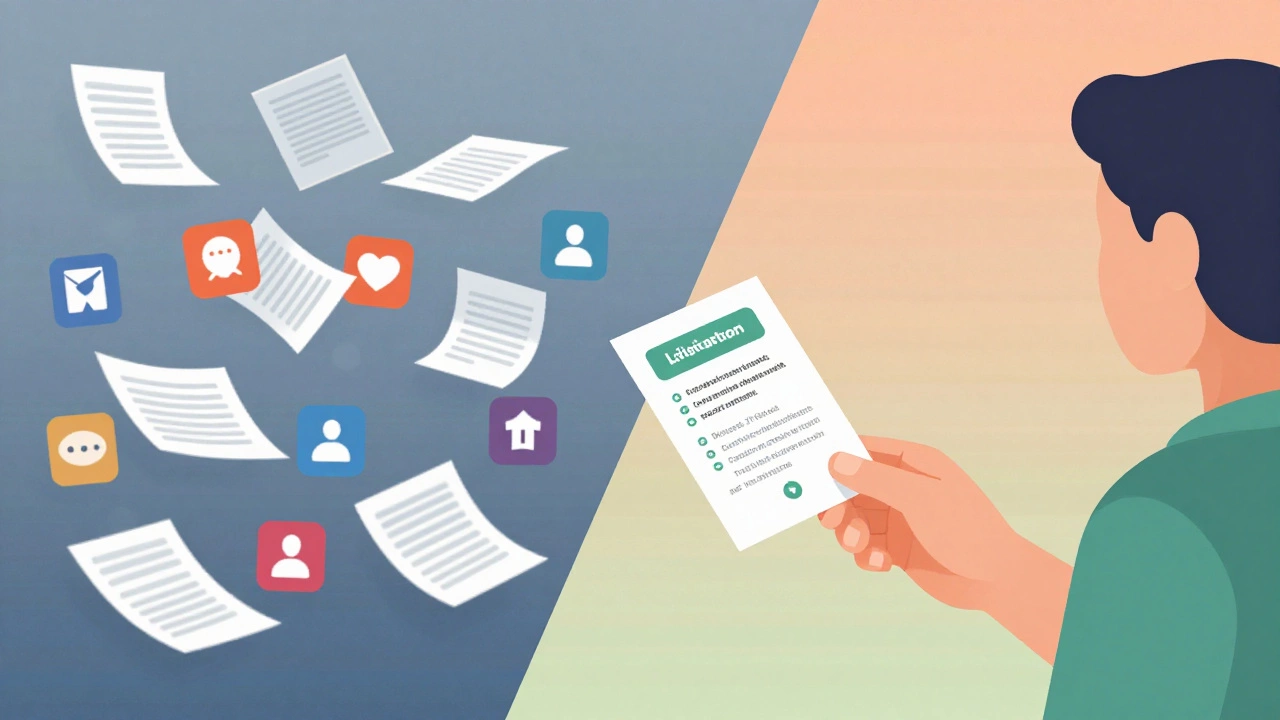
Where does your audience hang out? If you’re targeting seniors, Instagram reels might not be the best place to find them. Local newspapers, community center bulletin boards, and Facebook groups dedicated to neighborhood news are far more effective. For younger demographics, TikTok, LinkedIn (for professional causes), and Discord servers might yield better results.
Don’t spread yourself too thin across every platform. Pick two or three channels where your audience is most active and master those. Consistency matters more than variety. Posting once a week on the right platform is better than posting daily on five platforms where no one sees you. Also, consider offline methods. Door-knocking, attending town hall meetings, and partnering with existing community leaders can create deeper connections than any algorithm ever could.
Create Compelling, Action-Oriented Content
Your message needs to be clear, concise, and compelling. Avoid long paragraphs filled with bureaucratic language. Use simple words. Tell stories. People remember narratives, not statistics. Instead of saying "We helped 1,000 families last year," try sharing a story about one family whose life changed because of your work. How did they feel? What was the turning point?
Every piece of content should have a clear call to action (CTA). Don’t just inform; invite. "Learn more" is weak. "Sign up for our next workshop" or "Donate £5 to provide a meal" is strong. Make the next step obvious and easy. If someone has to click three times to find the donation button, you’ve lost them. Friction kills conversion rates.
Measure Results and Adapt Quickly
You won’t know if your outreach program is successful unless you track it. Set up simple metrics from day one. Are you measuring email open rates? Volunteer sign-ups? Social media engagement? Website traffic? Choose KPIs that align with your initial goals. If your goal was to recruit volunteers, then tracking likes on a photo is useless. Track actual applications.
Review your data monthly. What worked? What didn’t? Maybe your email subject lines are getting ignored, but your Facebook posts are driving traffic. Double down on what works and tweak what doesn’t. Be willing to pivot. If a certain channel isn’t delivering results after three months, cut it loose and try something else. Agility is your greatest asset in community outreach.
Foster Long-Term Relationships, Not One-Off Interactions
The biggest mistake organizations make is treating outreach as a transaction. Someone donates, you say thanks, and then silence. Or someone volunteers once, and you never check in again. Successful programs build relationships. Follow up. Send personalized thank-you notes. Invite past volunteers to exclusive updates. Make them feel part of a community, not just a resource.
Consider creating a "friends" tier for donors or a leadership role for top volunteers. Give them ownership. When people feel invested, they become your biggest advocates. They’ll share your mission with their friends and family, expanding your reach organically. Word-of-mouth remains the most powerful tool in outreach, and it only happens when people genuinely care.
How long does it take to see results from a community outreach program?
It depends on your goals, but generally, you should see initial engagement within 3-6 months. Building deep trust and significant impact often takes 1-2 years of consistent effort. Don't get discouraged if the first few months feel slow; relationship building is a marathon, not a sprint.
What is the most common mistake in outreach planning?
The most common mistake is focusing on what the organization wants rather than what the community needs. If your message is all about "us" and not "you," people will tune out. Always frame your outreach around the benefits and value for the recipient.
Do I need a large budget for a successful outreach program?
Not necessarily. Many successful outreach campaigns rely on creativity, partnerships, and organic social media rather than paid ads. Personalized emails, community events, and word-of-mouth can be highly effective with minimal financial investment.
How do I measure the success of my outreach efforts?
Define specific KPIs aligned with your goals. These could include number of new volunteers, amount raised, email open rates, or social media engagement. Regularly review these metrics to adjust your strategy and ensure you're meeting your objectives.
Can small organizations compete with larger ones in outreach?
Absolutely. Small organizations often have the advantage of agility and personal connection. You can respond faster, personalize communication more deeply, and build tighter-knit communities. Focus on your unique strengths and niche audience rather than trying to mimic large-scale campaigns.