
How to Apply for a Local Food Bank in the UK
 Dec, 4 2025
Food Bank Voucher Eligibility Checker
This tool helps you determine if you qualify for a food bank voucher based on your current situation. Food banks in the UK typically require a voucher from a referral agency. Answer the questions below to see if you likely qualify.
Voucher Eligibility Assessment
If you’re struggling to afford groceries, you’re not alone. In the UK, over 2.5 million people relied on food banks in 2024 - a number that’s climbed steadily since 2020. Food banks aren’t charity events or one-time fixes. They’re a safety net, run by local communities, for people who need help right now. Applying isn’t complicated, but knowing the steps makes it faster and less stressful.
Find your nearest food bank
The first thing you need is the right location. Food banks in the UK are mostly run by the Trussell Trust or independent local groups. The Trussell Trust runs over 1,200 food banks across the country. You can find one by visiting their website or calling their helpline. But you don’t need to go online if you’re not comfortable. Walk into your local library, community centre, or GP surgery - they all keep printed lists of nearby food banks.In Edinburgh, for example, food banks are spread across areas like Leith, Fountainbridge, and Musselburgh. Even if you’re not sure which ward you’re in, ask at your nearest post office. Staff there often know which food bank serves which street. Don’t wait until you’re out of food. Reach out as soon as you’re worried about making ends meet.
Get a food bank voucher
Most food banks in the UK don’t hand out parcels without a voucher. This isn’t to make things harder - it’s to make sure help goes to those who need it most. You get a voucher from someone who already works with people in crisis. These are called referral agencies.Who can give you a voucher?
- Your GP or health visitor
- A social worker or housing officer
- Jobcentre Plus adviser
- Child welfare worker
- A charity like Citizens Advice or Shelter
You don’t need to be on benefits to qualify. People working low-wage jobs, those dealing with benefit delays, or families facing unexpected bills - all of them qualify. If you’re unsure who to contact, call Citizens Advice on 0800 144 8848. They’ll help you find the right person to issue the voucher.
What’s in a food bank parcel?
Once you have the voucher, you’ll be given a time to visit the food bank. The parcel you receive isn’t just bread and beans. It’s designed to last three days and includes:- Staples like pasta, rice, or tinned potatoes
- Canned proteins - beans, tuna, chicken, or lentils
- Breakfast items - cereal, porridge, or biscuits
- UHT milk, tea, coffee, and sugar
- Fresh items like apples, carrots, or bread (if available)
- Baby food, nappies, or sanitary products (on request)
Some food banks also offer hygiene kits - toothpaste, soap, shampoo - because hunger doesn’t come alone. It often comes with no running water, no clean clothes, or no way to stay warm. Food banks know this. They try to meet real needs, not just hunger.
What to bring and what to expect
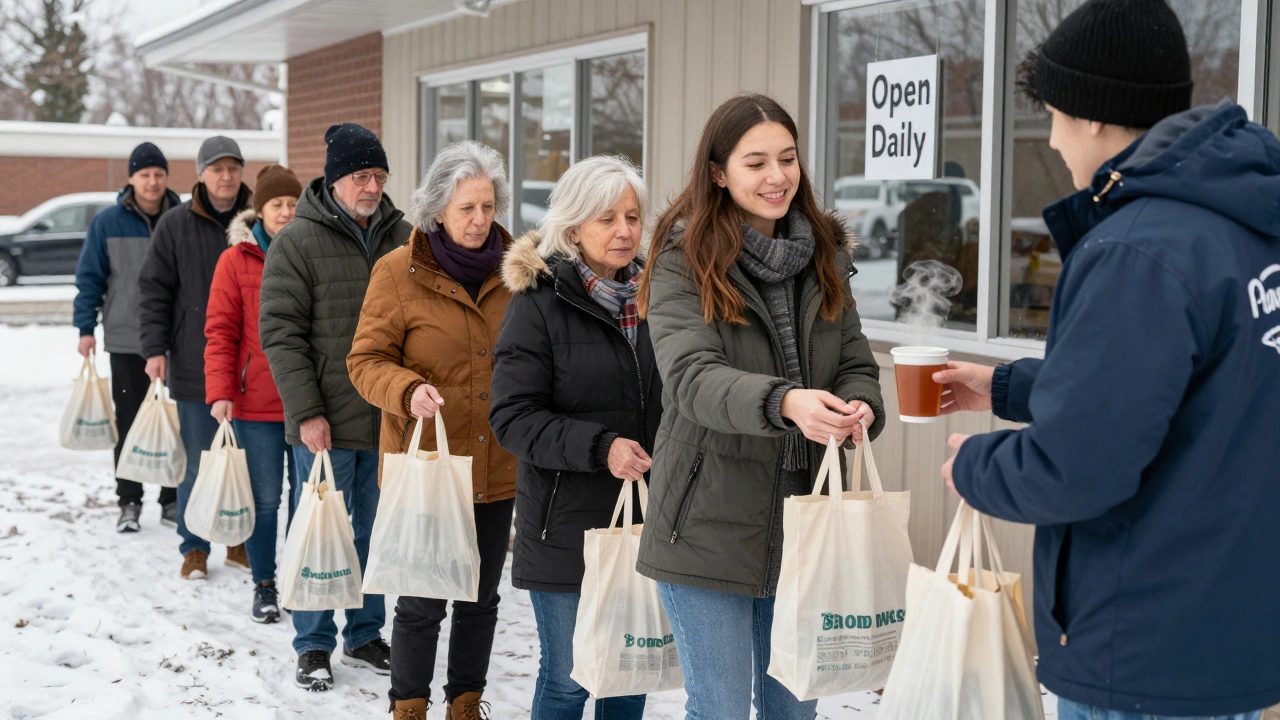
When you go to collect your parcel, bring:- Your voucher (printed or digital)
- A form of ID - even a bus pass or utility bill works
- Carrier bags or a trolley if you have one
You won’t be questioned. No one will ask why you’re there. No one will judge. You’ll meet a volunteer who’ll check your voucher, ask how many people are in your household, and hand you your parcel. They might offer a hot drink. They might ask if you need help filling out a benefits form. But they won’t push you to talk.
It’s quiet. It’s respectful. It’s meant to feel like walking into a neighbour’s kitchen, not a government office.
What if you can’t get a voucher?
Some people can’t access a referral agency - maybe they’re isolated, scared, or don’t trust the system. That’s okay. Independent food banks don’t always require vouchers. In Edinburgh, places like St. Mungo’s Food Hub or Edinburgh Community Food Bank let people walk in without one. Call ahead or check their website. Some open once a week. Others are open daily.If you’re in a rural area or don’t have transport, ask if they offer delivery. A growing number do - especially for elderly or disabled people. Don’t assume you’re too far away. Many food banks have volunteers who drive to outlying villages.
What happens after you get help?
Getting food is urgent. But food banks also want to help you move beyond crisis. Many have links to money advice services, debt counselling, or benefits workshops. Ask if they offer these. You don’t have to sign up - just knowing they’re there can make a difference.Some food banks run cooking classes. Others have free clothing swaps or winter warmers. These aren’t perks. They’re part of the same goal: helping people stay safe and dignified while they rebuild.
Can you get help more than once?
Yes. The Trussell Trust allows three parcels in a six-month period. But if your situation hasn’t improved - if you’re still struggling after that - they’ll make exceptions. Independent food banks often have no limits. They don’t count parcels. They count people.If you’re still in need after your third parcel, go back. Say you still need help. They won’t turn you away. They’ll find a way.
How to help if you can’t use a food bank
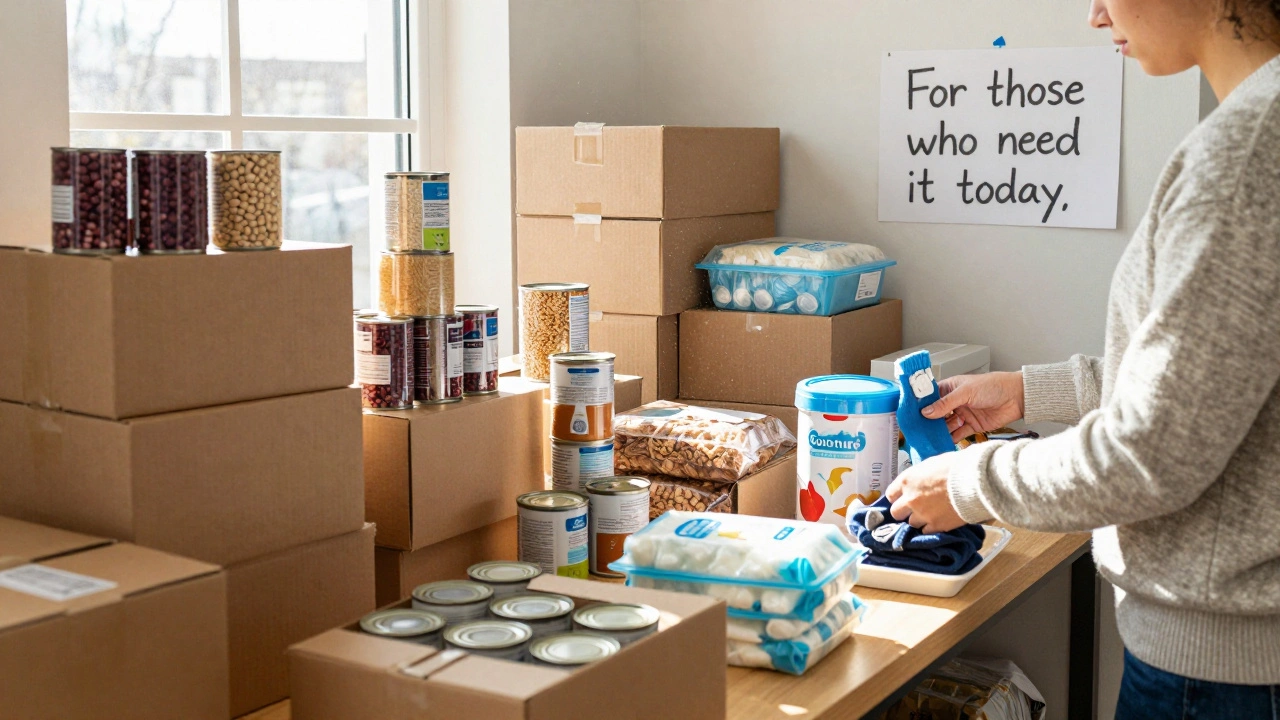
If you’re not in crisis but want to help, you can donate. Most food banks need non-perishable items: tinned soup, pasta, rice, cereal. They also need baby formula, nappies, and sanitary products - things people don’t think to donate. Check their website for a current list. Some even take socks, towels, or blankets.Volunteering is another way. You don’t need experience. Just show up. Sorting food, packing parcels, serving tea - these tasks matter more than you know. You might be the first kind face someone sees that week.
Food banks aren’t about pity. They’re about community. They exist because people refused to look away when others were hungry. You don’t have to be rich to help. You just have to care enough to act.