
How Do You Raise Money in a Fun Way? Creative Charity Events That Actually Work
 Mar, 22 2026
Fundraiser Revenue Estimator
How Much Could You Raise?
Enter values to see your potential earnings
What if raising money for a good cause didn’t feel like a chore? What if it felt like a party, a game, or an adventure you couldn’t wait to tell your friends about? That’s the secret behind the most successful charity events today. People don’t give because they feel guilty. They give because they’re excited - because they’re laughing, dancing, competing, or eating something weird and wonderful.
Turn Your Hobby Into a Fundraiser
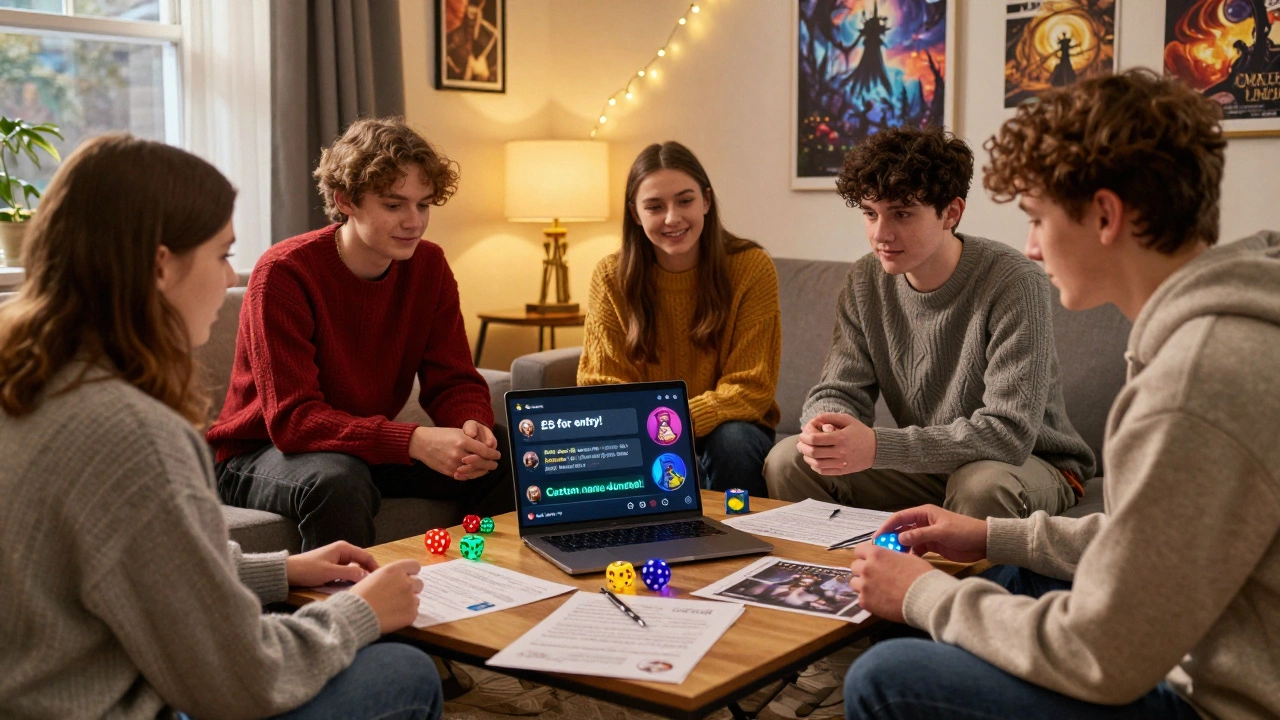
Most people already do something they love - baking, hiking, playing guitar, knitting, gaming. Why not turn that into a fundraiser? In 2025, a group of teens in Glasgow turned their weekly Dungeons & Dragons campaign into a live-streamed charity event. They charged £5 per viewer to join the session, offered custom character names for £10, and auctioned off handmade dice sets. They raised £12,000 in three weeks. No donation pages. No begging. Just nerdy fun.
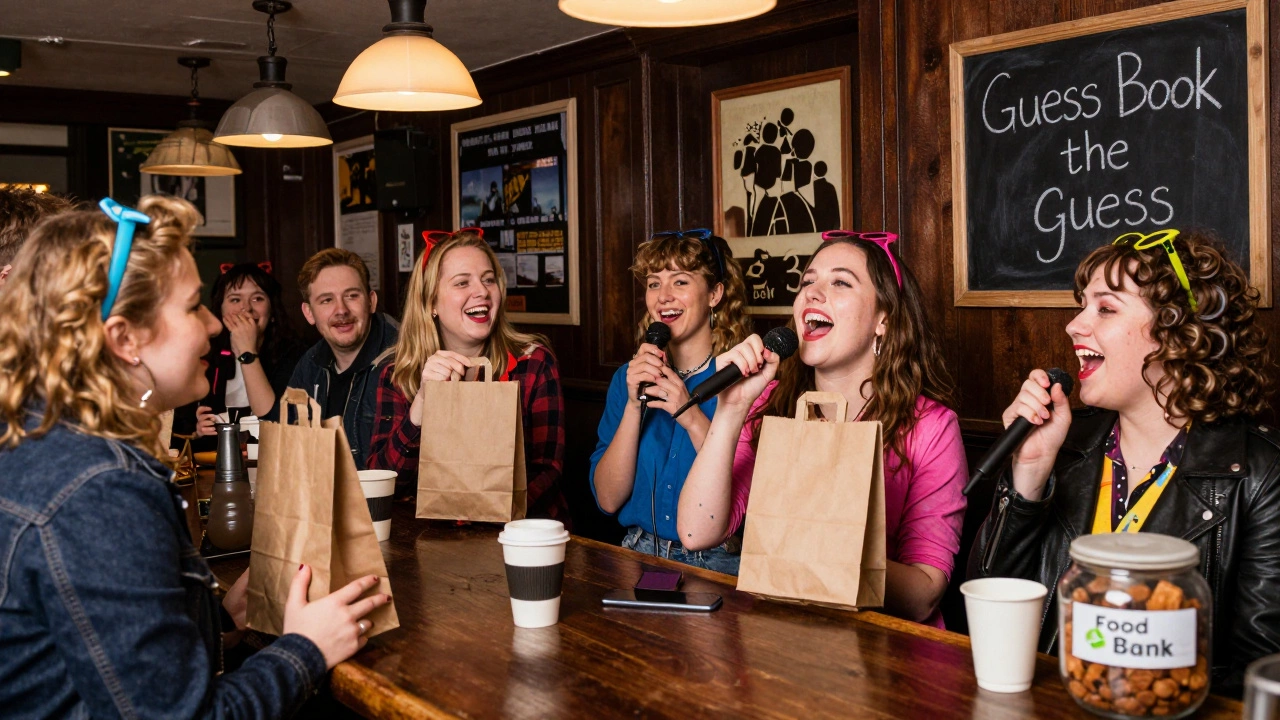
You don’t need a big audience. A local book club raised £3,000 by hosting a "Guess the Book" night. Members brought obscure titles in brown paper bags. Others paid £3 to guess the title. Wrong guesses got a tiny penalty: they had to sing a line from a 90s pop song. People showed up in costumes. The local pub donated free drinks for the first hour. The whole thing lasted two hours. They didn’t just raise money - they built a community.
Food Challenges That Actually Help
Food challenges aren’t just viral TikTok trends. They’re powerful fundraising tools when done right. In Edinburgh, a café ran a "Spicy Sausage Challenge" for a local food bank. Participants paid £10 to eat a sausage wrapped in ghost pepper sauce. If they finished it, they got a free coffee. If they didn’t? They still got a coffee - and a donation receipt. Over 400 people tried it. The café sold 1,200 coffees that weekend. The food bank got £4,000. And yes, three people cried. But they all came back for the next one.
Another idea: a "Reverse Potluck." Instead of bringing food to share, people bring money. You provide the ingredients. Everyone cooks together. You auction off the best dish. Last year, a church group in Aberdeen raised £7,500 this way. The winning dish? A vegan shepherd’s pie made with beetroot gravy. The chef didn’t even know how to cook before the event. Now she runs a pop-up kitchen.
Games You Can Play While Saving Lives
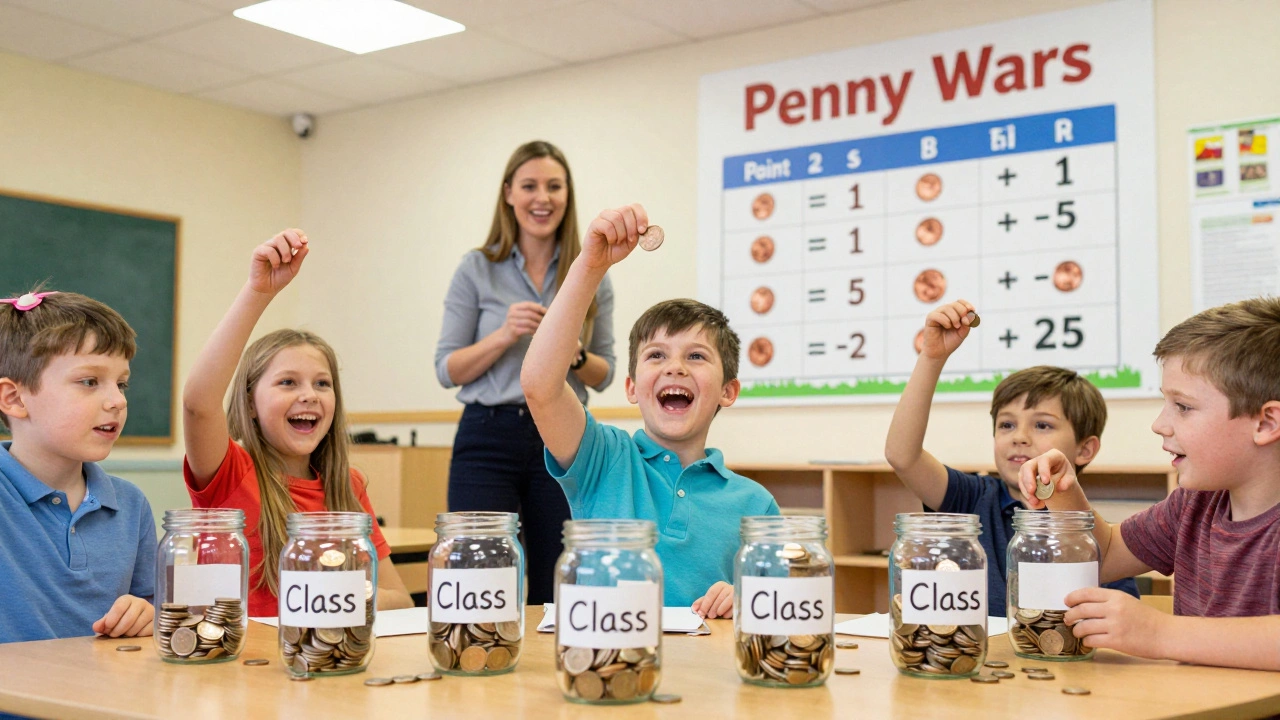
Games don’t just entertain - they motivate. A charity in Dundee launched "Penny Wars" for schools. Each class got a jar. Students brought in coins. Pennies were +1 point. Nickels were -5. Quarters were +25. Dimes? They were neutral. But here’s the twist: kids could "steal" from other classes by slipping in a nickel or two. The whole thing lasted a week. Teachers turned it into math lessons. Parents donated spare change. One school raised £11,000. The winning class got a pizza party. The losing class? They had to wear pajamas to school for a day. No one minded.
Another winner: "Escape Room for a Cause." A group in Leith turned an old storage unit into a 60-minute puzzle room themed around saving a fictional endangered otter. Tickets were £15. Teams had to solve clues to "release" the otter. The room was packed every weekend for two months. They partnered with a local wildlife trust. The trust got 80% of the profits. The escape room company got a new attraction. Everyone won.
Art, Music, and Weirdness That Sells
Art doesn’t have to be hung in a gallery to raise money. In 2025, a street artist in Glasgow painted 100 small canvases - each one a different cat wearing a different hat. She sold them for £10 each at a market. The catch? Every buyer had to write a note explaining why they chose that cat. Those notes were glued to a wall behind the table. By the end of the weekend, the wall was a 10-foot collage of stories about lost pets, grieving owners, and second chances. She raised £1,000. The local animal shelter said it was the most emotional donation they’d ever received.
Music events don’t need a stage. A band in Inverness started "Busking for Change." They played in the middle of the high street every Friday. But instead of collecting cash in a hat, they handed out numbered tickets. At the end of the night, they drew one ticket. The winner got a free concert. Everyone else? They got a thank-you card and a photo of the band. The band raised £6,000. The city council gave them a permit to do it monthly.
Why These Ideas Work
Traditional fundraising - silent auctions, sponsored walks, donation boxes - still works. But they’re predictable. People see them, feel obligated, and move on.
The fun methods work because they tap into three things:
- Connection: People give when they feel part of something - not just when they feel sorry.
- Play: When you’re laughing or competing, your brain doesn’t register it as "giving." It registers as "joining in."
- Story: People remember stories, not spreadsheets. A cake sale doesn’t stick. But the story of the 82-year-old who baked 300 cupcakes while recovering from surgery? That sticks.
And here’s the real secret: people who have fun donating are more likely to do it again. They become regulars. They bring friends. They start their own events. One woman in Falkirk raised £50,000 over three years - not because she asked a lot. But because she threw a different weird party every month. A "Pillow Fight for Charity." A "Tin Can Bowling Tournament." A "Dress Like Your Pet" day. Each one had a theme. Each one had a story. Each one made people want to come back.
Start Small. Think Weird.
You don’t need a budget. You don’t need a permit. You just need one idea that makes you smile.
Try this:
- Ask yourself: "What do I love doing that no one else thinks is "serious"?"
- Turn it into a challenge, game, or party.
- Charge a small fee - £5, £10, £15. Keep it affordable.
- Make it social. Let people share it.
- Give them a reason to remember it - a photo, a badge, a silly hat, a story.
One man in Stirling raised £2,000 by shaving his head - but only after he convinced 50 people to do the same. He called it "The Bald Bunch." Each person paid £40. The money went to a local cancer support group. The next year? 120 people shaved. The event is now held in a local park. They’ve raised over £60,000. And every year, the mayor shows up in a wig.
What’s Stopping You?
You’re not too old. You’re not too young. You don’t need a big team. You just need to stop thinking about money and start thinking about joy.
Charity doesn’t have to be solemn. It doesn’t have to be quiet. It can be loud, messy, and ridiculous. And when it is, people remember. They talk. They come back. And they bring their friends.
So what’s your weird idea? What’s the thing you love that could make someone else laugh - and maybe even give?
Do fun fundraising events really raise more money than traditional ones?
Yes - and here’s why. Traditional events like bake sales or raffles rely on guilt or obligation. Fun events rely on excitement and connection. A 2025 study by the Scottish Charities Register found that events with a playful element raised 2.3 times more on average than standard ones. The reason? People who have fun donating are 70% more likely to give again. They also tell others. One person who laughs at a "Piggyback Race for Charity" is more likely to bring five friends than someone who just writes a check.
Can I do this if I’m not organized or don’t have a team?
Absolutely. The most successful fun fundraisers started with one person. The "Spicy Sausage Challenge" in Edinburgh? One café owner. The "Guess the Book" night? Two librarians. You don’t need volunteers. You need courage. Start with something you can do alone - like selling handmade bookmarks with funny quotes, or hosting a 10-minute TikTok dance challenge. Keep it simple. Let it grow. People love helping when the effort feels real, not polished.
What if people think my idea is too silly?
Good. If it feels silly, it’s probably perfect. Serious fundraising feels like work. Silly fundraising feels like play. That’s why it works. The "Dress Like Your Pet" event in Glasgow? Critics called it "childish." Then they saw the photos - a 70-year-old man in a rabbit onesie, holding a sign that said, "I’m doing this for my dog who passed last year." The donations poured in. People don’t donate to perfect events. They donate to human ones.
How do I get local businesses to support my fun event?
Don’t ask for money. Ask for participation. A local bakery doesn’t care if you raise £1,000. They care if 200 people walk through their door. Offer them visibility: "We’ll feature your logo on every ticket. We’ll post your name on our social media. We’ll thank you in the event video." One café in Perth gave free coffee to anyone who showed a ticket from a "Tin Can Bowling" event. They sold 300 extra coffees that weekend. The event raised £2,000. The café didn’t lose money - they gained customers.
Is there a limit to how weird this can get?
No. The weirder, the better - as long as it’s safe and respectful. A group in Inverness raised £15,000 by hosting a "Taco Tuesday in a Swimming Pool." People paid £20 to float on inflatable donuts while eating tacos. They had a lifeguard, a first-aid kit, and a strict "no salsa on the floor" rule. It was ridiculous. And it worked. The key isn’t how weird it is - it’s whether people feel included. If you’re laughing with your community, not at them, you’re doing it right.