
From Helping Hands to Giving Hearts: Do Volunteers Become Donors?
 Apr, 19 2026
Volunteer-to-Donor Conversion Estimator
Estimated Potential Donors
Enter your volunteer data to see the estimated conversion rate.
How this works:
This tool uses industry benchmarks cited in the article. Conversion rates are weighted by the Volunteer Tier (commitment level) and adjusted based on the Organization's Strategy (the ability to ask and recognize).
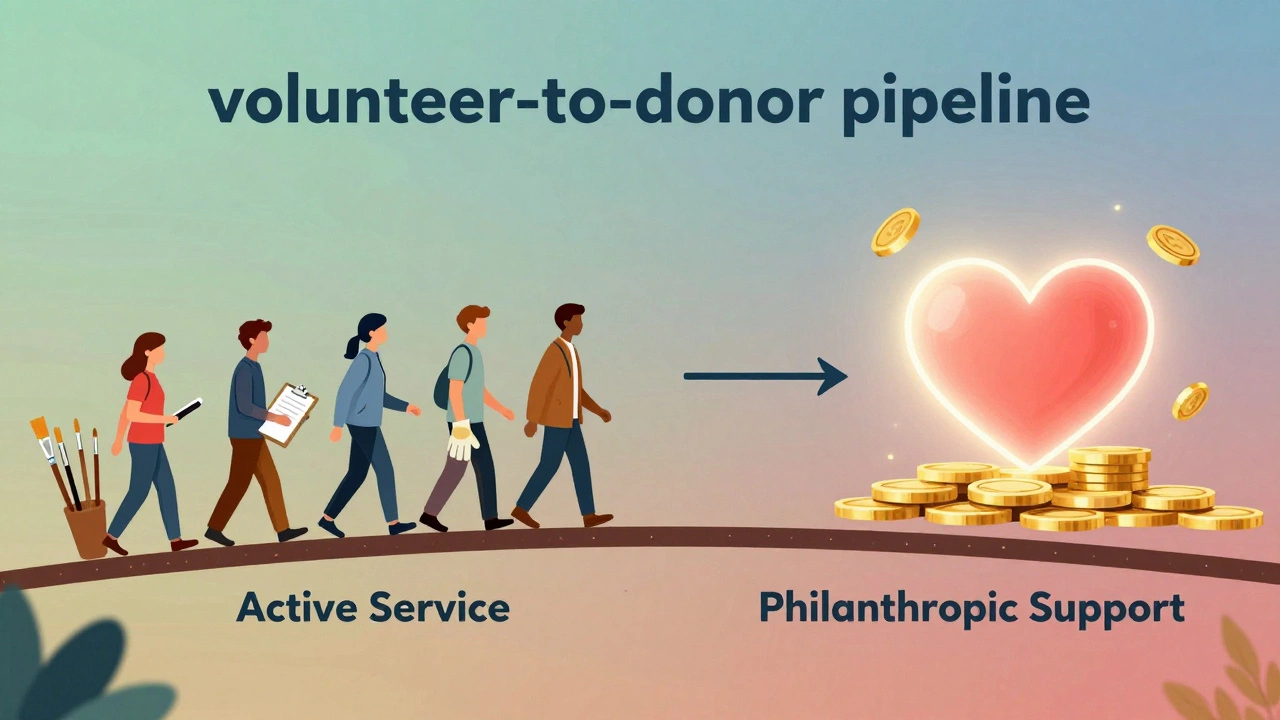
When we look at the numbers, a significant chunk of volunteers do become donors, but the percentage varies wildly depending on how the organization handles the transition. In a high-performing non-profit, you might see 25% to 50% of active volunteers contributing financially. In stagnant organizations, that number can dip below 10%. The gap isn't usually about the volunteer's willingness to give; it's about the organization's ability to ask.
The Psychology of the Volunteer-Donor Pipeline
To understand why some volunteers give and others don't, we have to look at the volunteer to donor conversion is the process by which an individual who provides unpaid labor for a cause eventually transitions into a financial supporter. This isn't a linear path. For many, volunteering is their way of donating. They feel they are giving their most valuable asset-their time-and might feel that asking for money is a redundancy.
However, there is a psychological phenomenon called the "consistency principle." When someone takes a public action-like wearing a charity t-shirt and helping at an event-they develop a self-image as a "supporter" of that cause. Once that identity is locked in, a request for a financial donation doesn't feel like a pitch; it feels like a way to reinforce who they have already become. This is why a volunteer who has spent six months in the trenches is far more likely to donate than a random person seeing a Facebook ad.
Breaking Down the Conversion Rates
Not all volunteering is created equal. The level of commitment usually dictates the likelihood of a financial gift. If you have a one-time event volunteer-someone who helped at a 5K run for four hours-the conversion rate is typically low. They have a surface-level connection to the cause.
Contrast that with a "core volunteer"-someone who shows up weekly, attends board meetings, or manages other people. These individuals often have conversion rates exceeding 60%. They aren't just helpers; they are stakeholders. They see the operational gaps, the leaking roof in the community center, or the lack of supplies in the pantry. They donate because they see exactly where the money is going.
| Volunteer Tier | Typical Time Commitment | Estimated Conversion Rate | Primary Motivation |
|---|---|---|---|
| Transactional | One-time / Event-based | 5% - 15% | Socializing or Resume Building |
| Consistent | Monthly / Regular | 20% - 40% | Mission Alignment |
| Leadership | Weekly / Management Role | 50% - 80% | Sense of Ownership |
Why Some Volunteers Never Give
If the logic is so sound, why doesn't every volunteer become a donor? One common reason is the "sweat equity" fallacy. This happens when a volunteer feels that their physical labor is a substitute for money. They might think, "I spent 20 hours this month painting the fence; that's worth more than a $50 donation." If the organization doesn't acknowledge the monetary value of that time, the volunteer may feel they've already "paid their dues."
Another hurdle is the "invisible volunteer" syndrome. Many organizations are great at recruiting help but terrible at Donor Retention is the ability of a non-profit to keep a donor giving over a sustained period of time. If a volunteer is never thanked, never told the impact of their specific work, and never asked for a gift, they will stay in the "labor only" category. People generally give to things that make them feel successful. If the volunteer experience feels like a chore rather than a victory, they won't want to invest more money into it.
Strategic Steps to Increase Conversion
Turning a helper into a giver requires a delicate touch. You can't just send a generic mass email to your volunteer list. That's the fastest way to make your most dedicated supporters feel like ATMs. Instead, focus on a tiered approach.
- The Recognition Phase: Before asking for a dime, validate their time. Send a personalized note explaining exactly how their 10 hours of work helped a specific person. This bridges the gap between "doing a task" and "creating an outcome."
- The "Inside Track" Experience: Give your volunteers a peek behind the curtain. Invite them to a briefing with the Executive Director or show them a budget report. When they see the actual cost of running the program, the request for funding becomes a solution to a problem they now understand.
- The Low-Barrier Ask: Don't start with a major gift request. Ask for a small, specific amount tied to a tangible need. "We need $15 to buy a new set of brushes for the art class you're teaching." This is a high-conversion ask because it's directly related to their volunteer activity.
- The Peer-to-Peer Bridge: Use other volunteer-donors to tell the story. When a long-term volunteer says, "I started by helping out on Tuesdays, and now I donate monthly because I see the change," it carries ten times the weight of an official solicitation.
The Role of Fundraising Software in Tracking
You can't manage what you don't measure. Many non-profits keep their volunteer list in a spreadsheet and their donor list in a separate database. This is a huge mistake. To optimize conversion, you need a CRM is Customer Relationship Management software used to track interactions with donors and volunteers in one centralized system that links the two.
When a staff member can see that "Sarah has volunteered 100 hours in the last year but has never donated," they know Sarah is a prime candidate for a personal outreach. Conversely, if "Jim donates $1,000 a year but has never stepped foot in the office," the goal for Jim is to get him to volunteer, which will likely increase his long-term gift size. The two roles feed each other in a virtuous cycle.
Common Pitfalls to Avoid
Avoid the "Ask Too Early" trap. If you ask a volunteer for money during their first shift, you're treating them like a prospect rather than a partner. The relationship needs to be established first. The goal is to move them from a state of "helping out" to a state of "belonging."
Also, avoid the "One Size Fits All" communication. Your volunteers are a different audience than your corporate sponsors. They care about the boots-on-the-ground reality. Use stories of direct impact rather than high-level statistics. If they've seen the struggle firsthand, they don't need a pie chart to convince them that the cause is worthy; they need to know that their money will actually fix the problem they've been witnessing.
Connecting the Dots: The Long-Term Value
The most successful non-profits treat volunteering as the "onboarding' process for philanthropy. By integrating the two, you create a support system that is resilient. Financial donors can stop giving during a recession, but volunteers are often more available when the economy dips. Similarly, volunteers can burn out, but monthly donors provide the steady cash flow that keeps the lights on.
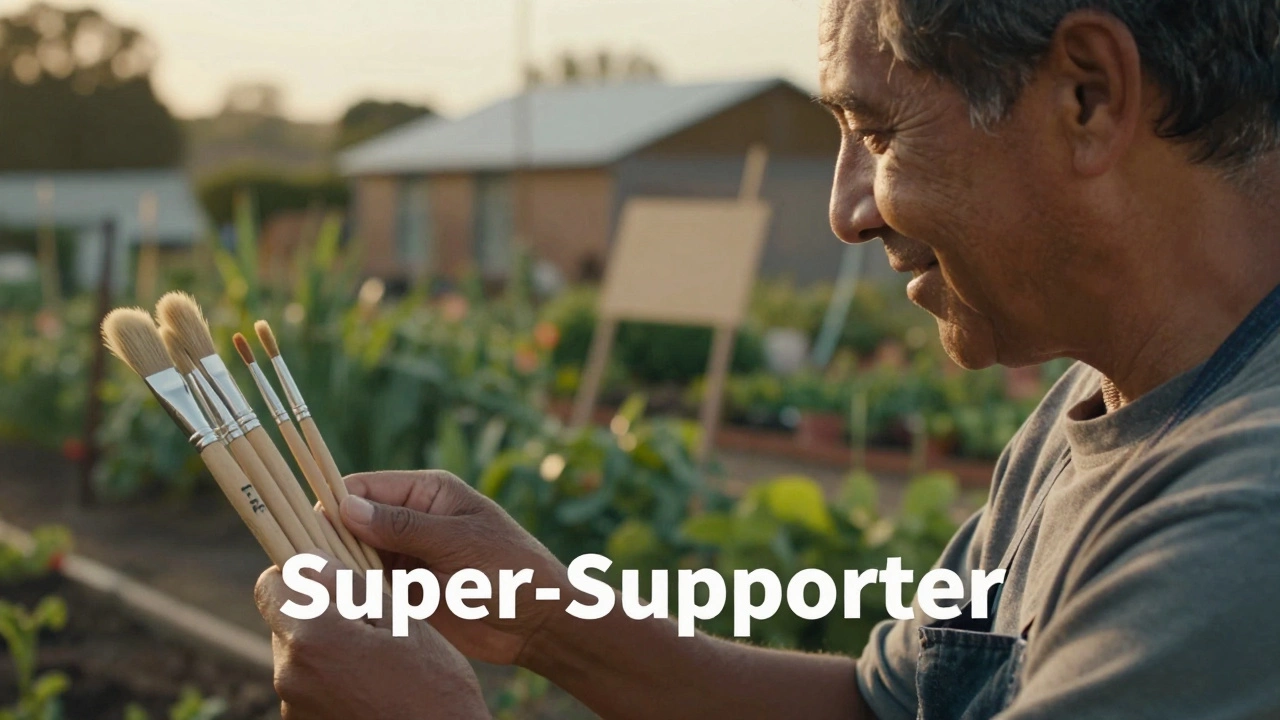
When you successfully convert a volunteer into a donor, you've created a "Super-Supporter." This person is your most potent advocate. They can talk about the mission with a level of authenticity that no paid spokesperson can match because they've done the work. They aren't just giving money; they are investing in a community they are actively building.
Why do some volunteers refuse to donate?
Many volunteers view their time as a financial contribution. If they feel their labor provides significant value, they may believe they have already fulfilled their obligation to the cause. Additionally, some may have a personal boundary where they only give time or only give money, but rarely both.
When is the best time to ask a volunteer for a donation?
The ideal time is after a "peak experience"-a moment where the volunteer sees the direct impact of their work. For example, after a successful event or when a client they've been helping reaches a milestone. The ask should follow a sincere thank-you and a specific example of how a financial gift would enhance the work they are already doing.
Does volunteering actually increase the amount a person donates?
Yes. Data generally shows that donors who also volunteer give larger gifts than those who only donate. This is because volunteering increases emotional investment and provides a firsthand look at the organization's effectiveness, reducing the perceived risk of the donation.
How can I track if my volunteers are also donors?
The most effective way is by using a unified CRM (Customer Relationship Management) system. By using a unique identifier like an email address or phone number, you can link a volunteer profile to a donor profile, allowing you to see the full history of their engagement in one place.
Should I offer a different "tier" of membership for volunteer-donors?
Creating a special recognition level for those who both give time and money can be very effective. It acknowledges the dual commitment and makes the individual feel like a valued inner-circle member, which further encourages long-term loyalty.