
Eating on a Budget: A Practical Guide to Food Banks and Cheap Nutrition
 Apr, 6 2026
Key Takeaways
- Food banks provide immediate relief and are open to anyone in a crisis.
- Focus on "nutrient-dense" staples like legumes, oats, and frozen vegetables.
- Community resources like community fridges and food pantries offer low-barrier support.
- Smart shopping strategies, like buying generic and seasonal, stretch every cent.
Getting Help from Food Banks and Pantries
If you're at the point where you can't afford basic groceries, your first stop should be a Food Bank. A food bank is a non-profit organization that distributes food to those facing hunger. Unlike a grocery store, these are designed specifically for people in your exact situation. Many people hesitate because they feel they "shouldn't" need help, but these services exist because food insecurity is a systemic issue, not a personal failure.
Most Food Pantries, which are smaller distribution points often run by churches or local charities, operate on different schedules. Some are "choice-based," meaning you pick what you need, while others give you a pre-packed box. To get the most out of them, bring your own reusable bags if you have them, and don't be afraid to ask if they have specific staples like cooking oil or condiments, which are often overlooked but essential for making cheap food taste good.
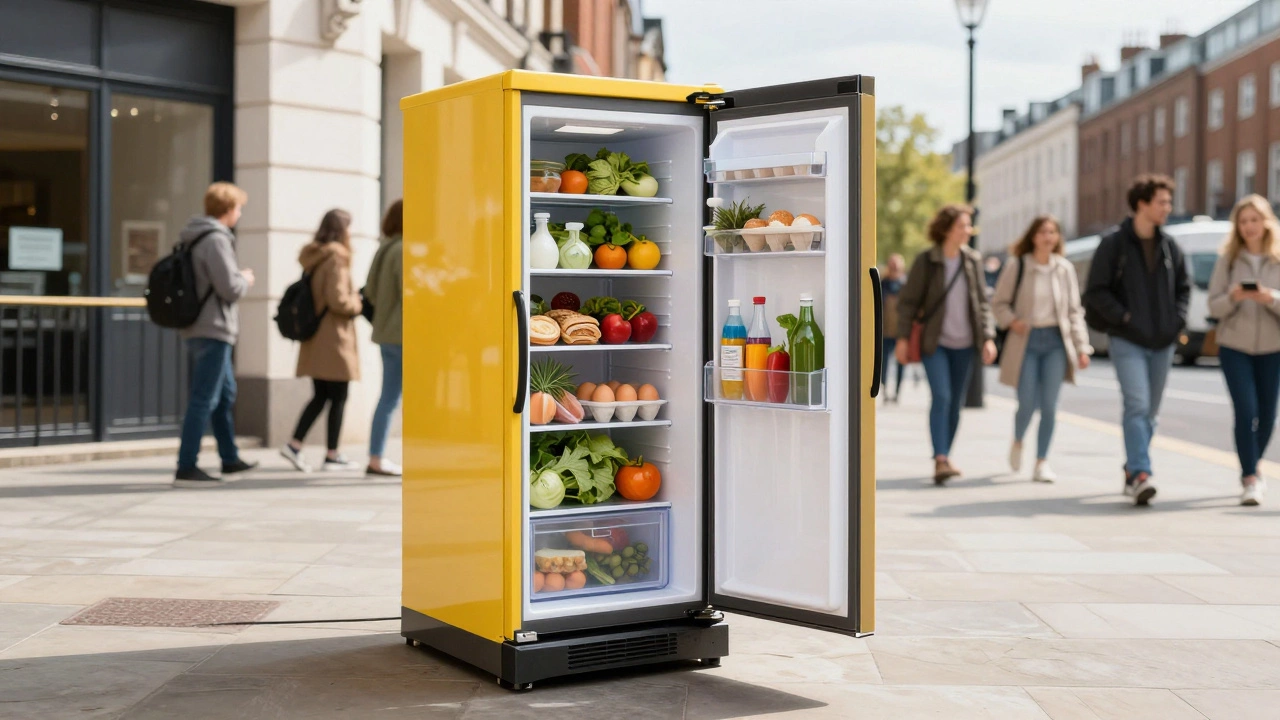
If you're in a city, look for Community Fridges. These are public refrigerators where neighbors and businesses leave free food for anyone to take. They are often the fastest way to get fresh produce or baked goods without having to fill out paperwork or prove your income.
The Budget Grocery Blueprint
When you finally get to the store with a tiny budget, the goal is to maximize calories and nutrients per penny. This is where how to eat when you're broke becomes a game of strategy. Forget the "health food" aisle with the expensive organic quinoa. Instead, head for the bulk bins and the frozen section.
Focus on these high-value groups:
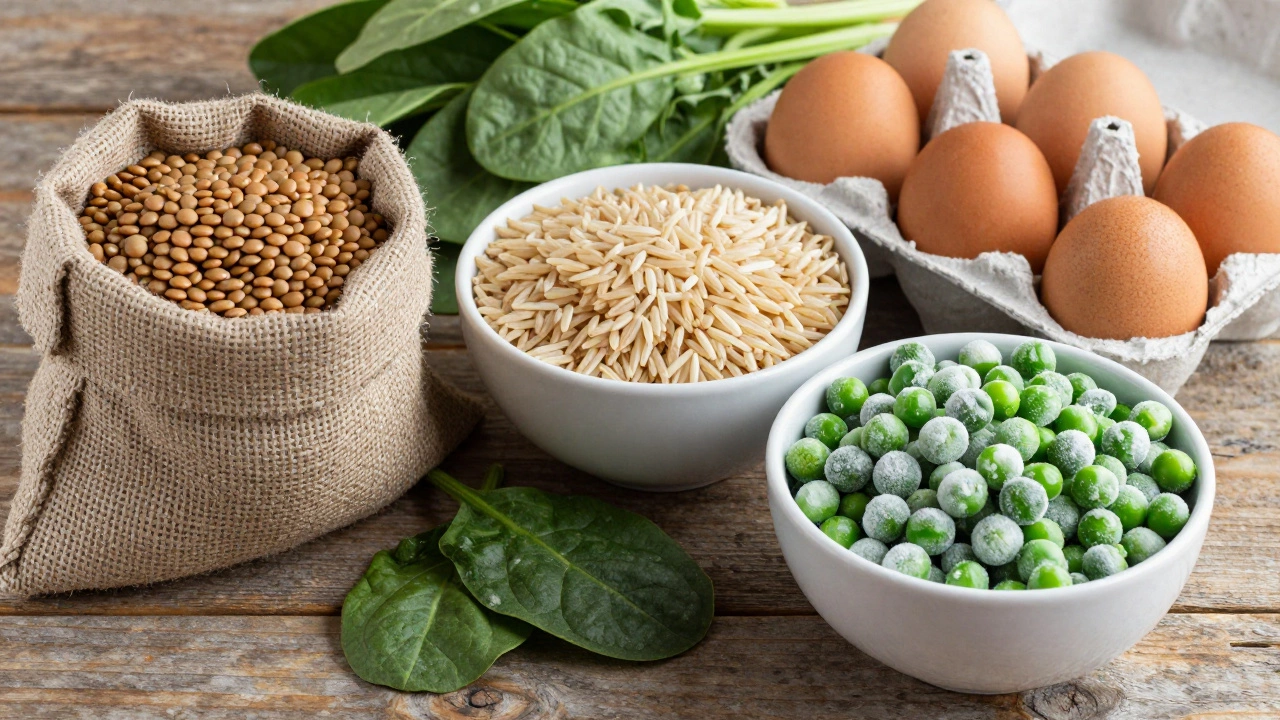
- Legumes: Lentils and chickpeas are powerhouses. A bag of dried lentils is significantly cheaper than canned and provides massive amounts of protein and fiber.
- Grains: Brown rice, oats, and whole-wheat pasta. Oats are particularly valuable because they can be used for breakfast, smoothies, or even homemade bread.
- Frozen Produce: Frozen spinach, peas, and mixed berries usually have the same nutritional value as fresh but last months longer and cost less.
- Eggs: Still one of the cheapest high-quality proteins available.
| Food Item | Nutrient Focus | Budget Tip |
|---|---|---|
| Dried Beans/Lentils | Protein & Fiber | Buy in bulk; soak overnight to reduce cooking time. |
| Brown Rice | Complex Carbs | Store brand is identical to name brand. |
| Canned Tuna/Sardines | Omega-3 & Protein | Choose tuna in water to avoid extra cost of oil. |
| Frozen Spinach | Iron & Vitamins | Add to eggs or pasta to bulk up nutrition. |
| Peanut Butter | Healthy Fats | Buy the largest jar available for the lowest unit price. |
Cooking for Survival and Health
Cooking from scratch is the only way to truly make a small amount of money go far. Pre-made meals are essentially a tax on people who don't have time or tools. If you have a slow cooker or even just a single pot, you can make "dump meals"-where you throw everything in and let it simmer. A classic example is a lentil and vegetable stew with diced carrots and potatoes. It's filling, cheap, and can provide four or five days of lunches.
Avoid the "calorie trap." When money is tight, it's tempting to buy the cheapest possible options, like instant ramen or white bread. While these fill the stomach, they leave you hungry again in two hours because they lack protein and fiber. To fix this, "upgrade" your cheap meals. Add a handful of frozen peas or a cracked egg to your ramen. This small change prevents the energy crashes that make it harder to job hunt or manage stress.
Batch cooking is your best friend. Spend one afternoon making a massive pot of beans or rice. Portion it out into containers. This stops the impulse to spend money on fast food when you're tired after a long day. Remember, the most expensive meal is the one you buy because you didn't prepare one.
Navigating Government Assistance
If you're struggling, you may qualify for SNAP (Supplemental Nutrition Assistance Program), commonly known as food stamps. This is a federal program that provides monthly funds specifically for food. The application process can feel bureaucratic, but the financial relief it provides is a game-changer for most households.
Additionally, look into the WIC (Women, Infants, and Children) program if you are pregnant or have children under five. WIC is highly specific about what you can buy, but it's an incredible resource for ensuring children get the nutrients they need for brain development, regardless of the family's bank balance.
Don't ignore local religious organizations. Even if you aren't religious, many Sikh gurdwaras offer "Langar" (free community meals) and many churches run weekly food giveaways. These are low-pressure environments where the goal is simply to ensure no one in the neighborhood goes hungry.
Psychological Strategies for Food Stress
Food insecurity causes a specific kind of mental fog. When you're worried about your next meal, your brain enters "survival mode," which kills creativity and long-term planning. Acknowledge that this stress is real. One way to combat it is by focusing on what you *can* control. Planning your meals on a piece of paper before you go to the store prevents "panic buying"-those random purchases of expensive snacks that don't actually provide a full meal.
Try the "inverse shopping" method. Instead of deciding what you want to eat and then looking for ingredients, look at what is on sale or what the food bank gave you, and then figure out how to combine them. This removes the frustration of wanting a specific recipe you can't afford and replaces it with the win of creating something from what's available.
Do I need an ID or proof of income to use a food bank?
It depends on the organization. Some federal programs like SNAP require extensive documentation. However, many local food pantries and community fridges have "no-questions-asked" policies to lower the barrier for people in crisis. Always call ahead or check their website to see what documentation is required so you don't make a wasted trip.
What are the cheapest proteins if I can't afford meat?
Dried lentils, chickpeas, black beans, and eggs are the gold standard for cheap protein. Tofu is also often very affordable, especially at Asian supermarkets. If you can afford a small amount of meat, chicken thighs or canned tuna provide more calories and nutrients per dollar than steak or breasts.
How can I keep vegetables from spoiling when I can only shop once a month?
Buy "hard" vegetables that have a longer shelf life, such as carrots, cabbage, potatoes, and onions. Avoid leafy greens unless you plan to eat them in the first three days. Alternatively, buy frozen vegetables, which stay nutrient-dense for months and eliminate waste entirely.
Is eating cheap food actually unhealthy?
Not necessarily. Many of the healthiest diets in the world (like those in parts of Asia and Africa) are based on the same cheap staples we're discussing: beans, rice, and seasonal vegetables. The danger isn't "cheap" food, but "processed" food. Trading a bag of chips for a bag of dried beans is the difference between feeling sluggish and feeling energized.
Where can I find a list of food banks in my area?
The best place to start is by calling 211 in the US and Canada, which is a universal number for essential community services. You can also search for "Feeding America" member food banks or use local community Facebook groups, where people often post about current community fridge locations.
Next Steps for Long-Term Stability
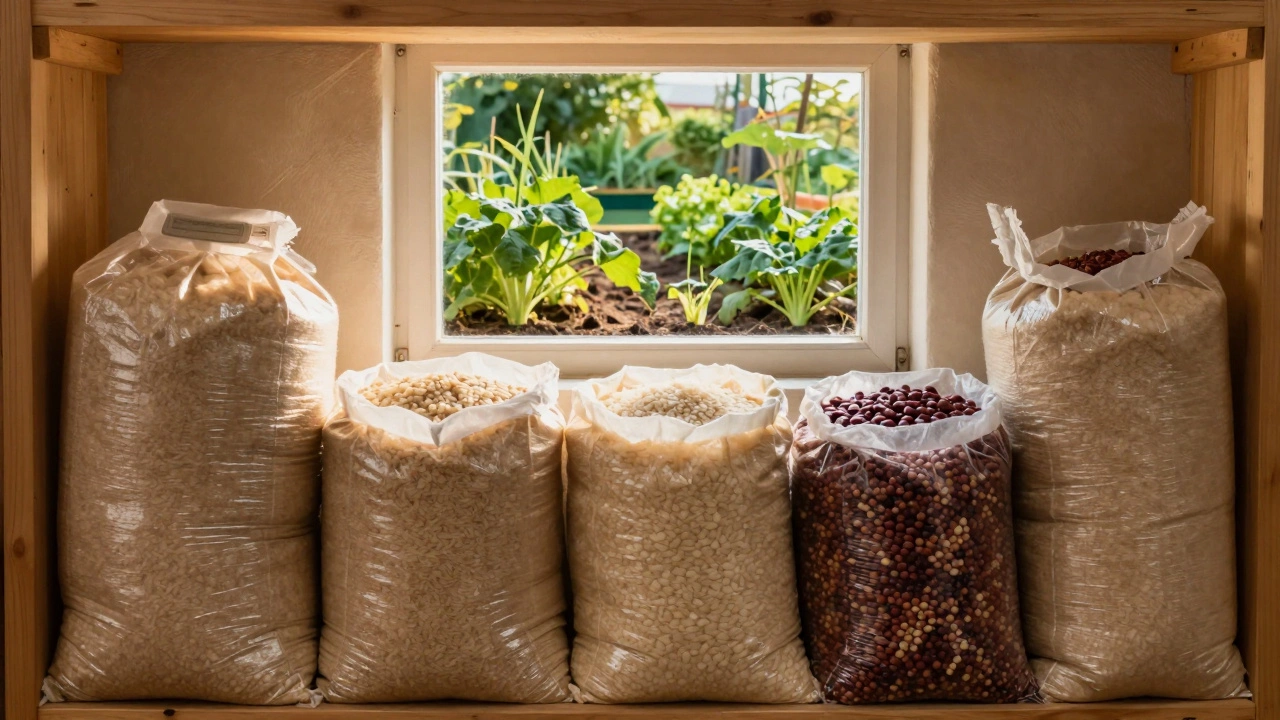
If you've used a food bank to get through a rough patch, the next step is building a small "food pantry" of your own. When you have a few extra dollars, don't buy a treat; buy a bulk bag of rice or a large pack of beans. These items have a shelf life of years and act as a safety net so that if you're ever broke again, you have a baseline of calories ready to go.
For those who find themselves in this position frequently, consider looking into community gardens. Many cities have plots where you can grow your own produce for free or a very small fee. It's not an immediate fix for hunger, but it provides a sustainable source of fresh greens and vegetables that would otherwise be the most expensive part of your grocery bill.