
Charitable Trust vs Foundation: Which Is Better for Your Cause?
 Jan, 15 2026
Charitable Structure Assessment Tool
This tool helps you determine whether a charitable trust or foundation is the better structure for your cause. Answer a few questions about your goals, then see a comparison of your best options.
When you’re setting up a charity, the first big decision isn’t about the cause-it’s about the structure. Should you go with a charitable trust or a foundation? Both can do great work, but they operate in very different ways. Choosing the wrong one could cost you time, money, and flexibility down the road.
What Is a Charitable Trust?
A charitable trust is a legal arrangement where assets-like cash, property, or investments-are held by trustees for the benefit of a charitable purpose. It’s not a separate legal entity. Instead, it’s a relationship: the trustees manage the money on behalf of the charity. You set it up with a trust deed, which spells out the goals, who the trustees are, and how the funds should be used.
Trusts are common in the UK because they’re simple to create and don’t need registration with the Charity Commission if they’re under £5,000 in annual income. Even above that threshold, they’re often faster to get running than a foundation. There’s no need to draft articles of incorporation or hold formal board meetings. The trust deed is the whole rulebook.
Many small to mid-sized charities, especially those focused on local causes like community gardens, youth mentoring, or animal rescue, use trusts. They’re ideal if you want to start quickly, keep overhead low, and let a small group of trusted people make decisions.
What Is a Foundation?
A foundation is a separate legal entity. Think of it like a company, but for charity. It has its own name, bank account, and legal identity. In the UK, most foundations are set up as charitable companies limited by guarantee. That means they’re registered with Companies House and the Charity Commission. They have a board of directors (called trustees), a constitution or articles of association, and formal governance rules.
Foundations are more complex to set up. You’ll need to file paperwork, hold annual meetings, keep minutes, and file annual returns. But that structure gives you more protection and credibility. If you’re planning to raise large grants, apply for public funding, or partner with corporations, a foundation is often the preferred choice.
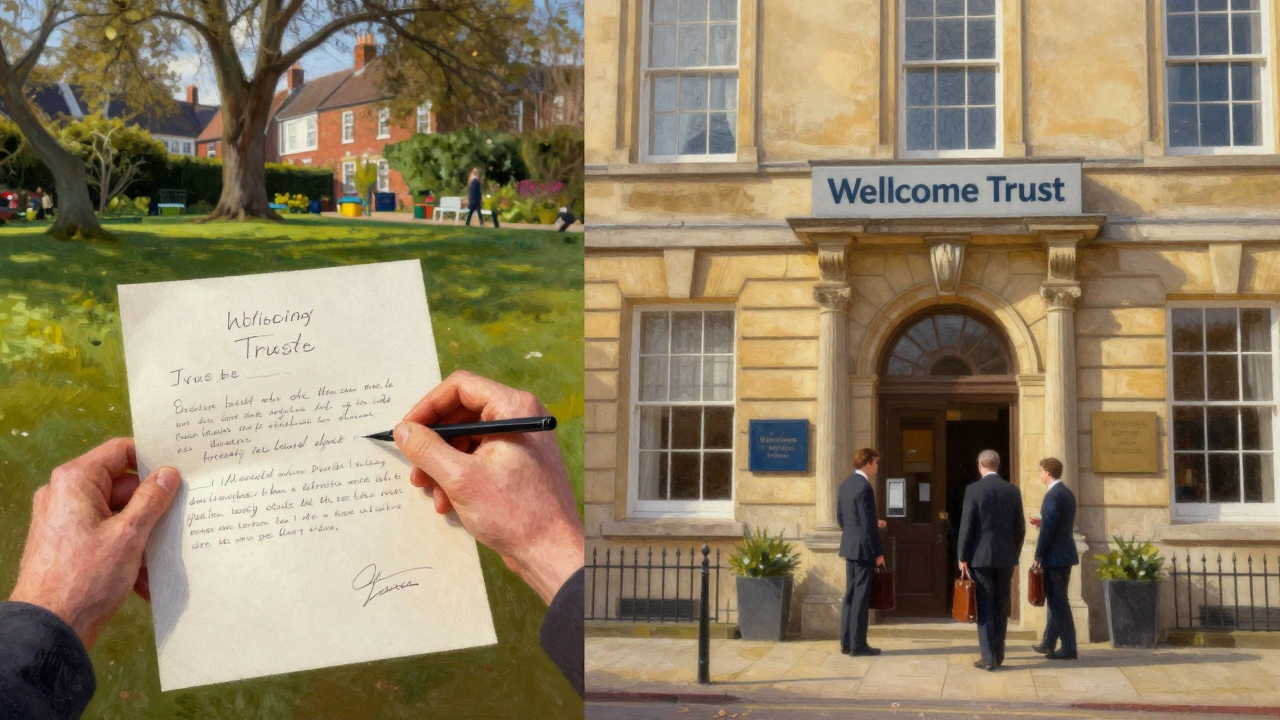
Large charities like the Wellcome Trust or the British Heart Foundation operate as foundations. They manage millions in assets, employ staff, run national campaigns, and need the legal clarity that comes with being a standalone entity.
Key Differences at a Glance
Here’s how they stack up side by side:
| Feature | Charitable Trust | Foundation |
|---|---|---|
| Legal Status | Not a separate legal entity | Separate legal entity |
| Setup Time | 2-4 weeks | 8-16 weeks |
| Registration Required? | Only if income > £5,000/year | Always (Charity Commission + Companies House) |
| Governance | Trustees only, no formal meetings required | Board of trustees with formal duties and meetings |
| Liability Protection | Trustees personally liable for debts | Trustees protected-liability limited to the organization |
| Public Trust | Lower perception of formality | Higher credibility with donors and grantmakers |
| Cost to Set Up | £200-£500 (legal fees) | £1,500-£4,000 (legal + filing) |

When a Charitable Trust Is the Better Choice
Go with a charitable trust if:
- You’re starting small and want to get funds to work fast
- You’re donating personal assets and want to keep control
- Your annual income will stay under £5,000
- You don’t plan to hire staff or run complex programs
- You have a tight-knit group of trusted people who can manage things informally
For example, a local widow in Edinburgh who wants to give £20,000 to support single parents in her neighborhood might set up a trust. She names her two closest friends as trustees. They meet once a year to review applications and write checks. No bureaucracy. No paperwork. Just direct help.
When a Foundation Is the Better Choice
Choose a foundation if:
- You’re raising over £100,000 a year
- You plan to hire employees or run multiple projects
- You want to apply for government or corporate grants
- You need to protect your trustees from personal liability
- You want to build long-term public trust and brand recognition
Take the case of a group of doctors in Glasgow who want to fund cancer research across Scotland. They raise £500,000 from private donors. They need to hire a project manager, pay legal fees for grant applications, and submit annual reports to funders. A foundation gives them the structure to do that legally and professionally. It also makes donors feel confident their money is being handled properly.
Common Mistakes People Make
Many people pick the wrong structure because they don’t understand the consequences.
One common error: setting up a trust thinking it’s “cheaper,” then realizing they need to hire a solicitor later to fix liability issues. If a trustee accidentally signs a contract in their personal name, they can be held personally responsible for debts. That’s a huge risk.
Another mistake: thinking a foundation is just a “bigger trust.” It’s not. Foundations have ongoing compliance duties. You must file annual accounts, submit a trustee annual report, and update your charity entry if your objectives change. Skip these, and you risk losing your charitable status.
Some people also confuse trusts with private family foundations. In the UK, a charitable trust must serve the public good. You can’t set one up just to benefit your family or friends. The law requires the benefit to be open to a section of the public.
What Happens After You Choose?
Once you pick a structure, the next steps are clear:
If you choose a charitable trust:
- Write a trust deed (a solicitor can help draft this for under £500)
- Appoint at least two trustees
- Open a bank account in the trust’s name
- Register with the Charity Commission if income exceeds £5,000/year
- Keep simple records of income and spending
If you choose a foundation:
- Draft articles of association and a constitution
- Register with Companies House as a company limited by guarantee
- Apply for charitable status with the Charity Commission
- Appoint a board of at least three trustees
- Set up accounting systems and annual reporting processes
Can You Switch Later?
Yes-but it’s not easy. If you start with a trust and outgrow it, you can transfer assets to a new foundation. But you’ll need legal approval, donor consent, and Charity Commission clearance. It’s messy. Most charities that switch end up paying £3,000-£8,000 in legal fees.
The reverse-going from a foundation to a trust-is almost never allowed. Regulators won’t let you downsize your structure to avoid accountability.
That’s why getting it right from the start matters more than you think.
Final Advice: Start With Your Goals
Don’t choose based on what sounds easier. Choose based on what your charity will become.
Ask yourself:
- Will this charity still exist in 10 years?
- Will I need to hire staff or take on volunteers?
- Will donors expect a formal structure?
- Do I want to apply for public funding?
- Am I comfortable with personal liability?
If your answers lean toward growth, professionalism, and long-term impact, go with a foundation. If you’re focused on a simple, local mission with limited funds, a charitable trust will serve you better.
There’s no “better” option. Only the right one-for your cause, your team, and your future.
Can a charitable trust own property?
Yes, a charitable trust can own property, but it’s held in the names of the trustees. The property legally belongs to them, but they must use it only for the trust’s charitable purpose. This creates a risk-if a trustee dies or goes bankrupt, the property could be caught up in their personal affairs. That’s why many charities with significant assets choose a foundation instead.
Do foundations pay taxes?
No, registered charities-including foundations-are exempt from most taxes in the UK, including corporation tax, capital gains tax, and stamp duty, as long as their income is used for charitable purposes. They must still file tax returns to claim these exemptions. If they earn non-charitable income (like from a business), they may owe tax on that portion.
Can one person be the sole trustee of a charitable trust?
Technically, yes-but it’s not advisable. The Charity Commission requires at least two trustees for a charitable trust to ensure checks and balances. A single trustee could be seen as lacking proper governance, which might affect registration or funding applications. It also increases personal risk.
Is a foundation more transparent than a trust?
Yes. Foundations must file annual reports, financial statements, and trustee details publicly with the Charity Commission. Trusts above £5,000 income must do the same, but smaller trusts aren’t required to publish anything. This makes foundations more visible and accountable to donors and the public.
Can I convert my existing charity into a foundation?
If you’re currently operating as an unincorporated association or a charitable trust, you can convert to a foundation. But you’ll need to create a new legal entity, transfer all assets and liabilities, and get approval from the Charity Commission. It’s a legal process that requires professional advice. Many charities do this when they outgrow their original structure.