
Can Anyone Go to a Local Food Bank? Eligibility Rules Explained
 Aug, 24 2026
UK Food Bank Eligibility & Preparation Planner
Answer these questions to determine your likely eligibility and the best route to access.
Based on your preference for assessment, select how you plan to access support.
Eligibility Assessment
Based on current UK food bank guidelines
Recommended Action Plan
What to Expect
Analyzing your situation...
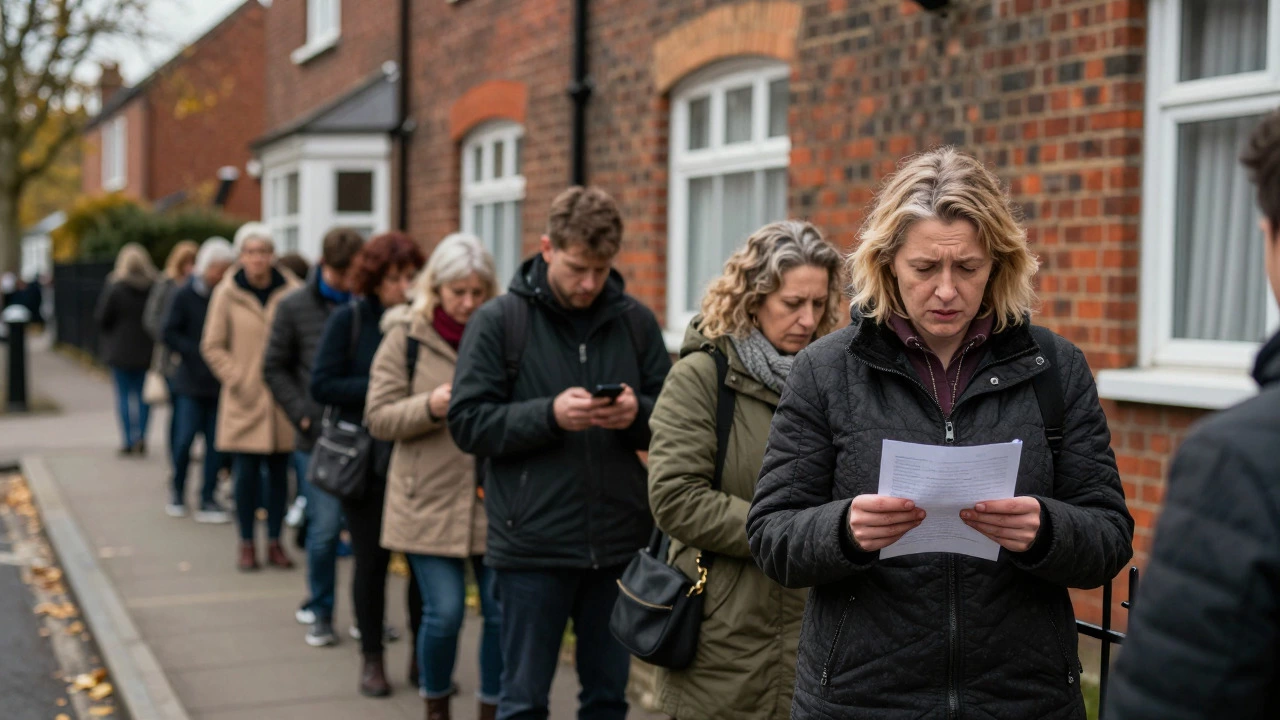
You are standing in the queue outside your nearest local food bank, clutching a letter from a community center. You wonder if you actually qualify or if you just need to look sadder. The short answer is: it depends on who runs that specific site. While many people assume anyone can walk in and grab a box, most UK food banks operate under strict guidelines to ensure their limited stock reaches those in acute crisis.
The Referral System: Why You Can't Just Walk In
In the United Kingdom, the vast majority of food bank sites are part of the Trussell Trust network. This charity does not typically accept open drop-ins. Instead, they use a referral system where a professional assesses your need before issuing a voucher. This isn't bureaucracy for its own sake; it’s a triage method. Since donations fluctuate and storage space is tight, coordinators prioritize households facing immediate eviction, sudden job loss, or medical emergencies.
Who exactly acts as a referrer? It’s usually someone with a professional relationship to you. Think of:
- Social workers from the local council
- GP surgeries or health visitors
- Debt advice charities like Citizens Advice
- Community centers and youth clubs
- Shelter staff for those in temporary accommodation
If you have no contact with any of these professionals, getting a referral can feel impossible. However, some independent food banks run by local churches or volunteer groups do accept direct visits. These smaller operations often have fewer rules but also less consistent stock. They rely heavily on goodwill rather than structured assessment.
Eligibility Criteria: What Counts as 'Need'?
There is no single national law defining who can receive emergency food aid. Each site sets its own criteria, but common patterns emerge across the country. Most coordinators look for evidence of a "crisis point." This means your situation has deteriorated rapidly, leaving you without enough money for basic necessities this week.
Typical scenarios that qualify include:
- Benefit delays: Waiting more than two weeks for Universal Credit or other state support.
- Job loss: Sudden redundancy or unpaid work placement ending.
- Eviction threats: Notice received from landlord or housing association.
- Medical emergencies: Hospitalization causing loss of income or increased costs.
- Domestic abuse: Leaving a home with no resources.
It’s worth noting that having a low income alone might not be enough if your bills are covered and you’ve planned ahead. Coordinators often ask about your recent spending. If you bought non-essentials recently, they might suggest waiting until next month unless your crisis is ongoing. This doesn’t mean they judge you-it means they’re trying to stretch one bag of groceries to help three families instead of one.
Independent vs. Networked Food Banks
Not all food banks are created equal. Understanding the difference helps you know where to go. Here’s how the two main types compare:
| Feature | Trussell Trust Sites | Independent/Church-run Banks |
|---|---|---|
| Access Method | Referral required | Often open access |
| Stock Consistency | High (national supply chain) | Variable (local donations) |
| Assessment Process | Formal interview with coordinator | Informal chat or none |
| Frequency of Visits | Usually once per month | Varies by site policy |
| Additional Support | Links to debt/counseling services | Rarely offered |
If you prefer avoiding formal assessments, search for independent providers in your area. Many are listed on local community boards or church websites. However, be prepared for shorter queues and potentially fewer items per household. A standard Trussell Trust parcel contains roughly five days’ worth of shelf-stable food for an adult, including pasta, tinned vegetables, cereal, and toiletries. Independent sites may offer fresh produce if they partner with local farms, but this isn’t guaranteed.

How to Get a Referral Fast
Waiting for a social worker to call back can take days. If you’re hungry today, here’s what works:
- Contact your GP: Ask if they have a link to a local food bank. Some surgeries keep a list of approved referrers. Mention your urgency-doctors understand when patients can’t afford medicine or food simultaneously.
- Visit a Citizens Advice Bureau: They handle thousands of referrals annually. Bring proof of ID and any benefit letters. They can often issue a same-day voucher if slots are available.
- Check online portals: Some councils now have digital referral forms. Search “[Your City] council food bank referral” to find them. This bypasses phone queues.
- Ask at community centers: Many centers host food bank collection points. Staff there are usually authorized referrers.
Bring documentation if possible. A recent bank statement, benefit award letter, or eviction notice speeds up the process. It proves your claim without requiring a long conversation. Coordinators are busy volunteers; making their job easier makes yours faster.
Common Myths About Food Bank Access
Misinformation keeps people away from help they need. Let’s clear up a few persistent myths:
Myth: You must be homeless to qualify.
Reality: Homeless individuals get priority, but housed families face crises too. A single parent working part-time who lost their car and can’t get to work qualifies just as much as someone sleeping rough.
Myth: You can only visit once ever.
Reality: Most sites allow monthly visits. If your crisis persists, you can return each month. Some sites cap it at six months, after which they encourage you to seek longer-term solutions, but they rarely turn you away entirely.
Myth: You need to be British citizens.
Reality: Eligibility is based on need, not nationality. Migrants, refugees, and undocumented residents can access food banks. However, if you’re claiming certain benefits, those may restrict other services, but food itself is generally accessible.
Myth: Children don’t count toward the portion size.
Reality: Portion sizes adjust for household composition. A family of four gets significantly more than a single adult. Always mention children, even if they aren’t present during the pickup.

What to Expect When You Arrive
Your first visit might feel awkward. Here’s the typical flow at a Trussell Trust site:
- Check-in: Show your referral letter or voucher. Volunteers verify your details against a spreadsheet.
- Brief Interview: A coordinator asks about your current situation. Keep answers short and factual. They’re not judging; they’re recording data for funding reports.
- Parcel Collection: You’ll be handed a pre-packed bag or asked to pick items from shelves. Pre-packed bags are faster and ensure balanced nutrition.
- Sign-off: Sign a register confirming receipt. This helps track usage and plan future donations.
The whole process takes 10-15 minutes. There’s no pressure to talk about your life story. If you’re shy, just say, “I’m referred from [Source], and I need this week’s support.” That’s enough.
Alternatives When Food Banks Are Full
Sometimes, food banks run out of stock mid-month. Or maybe you’re between referrals. Here are backup options:
- Supermarket Discount Days: Many stores mark down food nearing expiration dates. Visit early morning or late evening for best picks.
- Local Community Fridges: Increasingly popular in cities like Edinburgh, London, and Manchester. Take what you need, leave what you can. No questions asked.
- Meal Vouchers: Some charities distribute vouchers for specific restaurants or cafes. Check with local hospices or senior centers.
- Neighborhood Sharing Groups: Apps and Facebook groups connect neighbors with surplus food. Great for fresh produce that food banks can’t store.
These alternatives complement food banks rather than replace them. Use them strategically. For example, get staples from the food bank and fresh veg from a community fridge.
FAQ
Do I need ID to collect food from a food bank?
Most sites require some form of ID to prevent duplicate claims, but it doesn’t have to be a passport. A driving license, utility bill, or even a photo ID from your phone often suffices. If you have no ID, explain your situation to the coordinator-they’re human, not robots.
Can I bring my kids to the food bank?
Yes, absolutely. Kids are welcome. In fact, mentioning them ensures you get a larger portion. Some sites have play areas or quiet corners for children while you wait. Just let the coordinator know how many children are in your household so they pack accordingly.
What happens if I miss my appointment date?
Call the site as soon as you can. Most coordinators hold parcels for 48 hours. If you missed it due to illness or transport issues, they’ll usually reschedule you for the next available slot. Chronic lateness might lead to a review of your eligibility, but one-off misses are forgiven.
Are pets fed at food banks?
Rarely, but it’s worth asking. Some larger sites partner with animal welfare charities to provide pet food alongside human rations. If you have a dog or cat, mention it during your interview. Even if they don’t have stock, they might refer you to a local vet clinic that offers discounted food.
Is food bank help taxable?
No. Emergency food aid is not considered income for tax purposes. You don’t declare it on your tax return. It’s treated as charitable relief, not a benefit payment. This applies to both Trussell Trust parcels and independent distributions.
Can I donate to the food bank I receive from?
Yes, and it’s encouraged. Recipients who can occasionally spare something often become donors later. There’s no stigma in giving back. Some sites even have “pay it forward” boxes where you can leave cash or goods for others. Your contribution, however small, helps sustain the cycle.