
Can a Charitable Trust Invest? Rules, Risks, and Strategies for Growth
 May, 25 2026
Charitable Trust Investment & Risk Calculator
Trust Parameters
Projected Outcome
Real Value (No Return)
£0
Inflation erodes value by 0%Projected Value
£0
With 0% avg. returnRecommended Allocation
You’ve just set up your charitable trust, raised your first £50,000, and now you’re staring at a bank statement. Do you leave that money sitting in a zero-interest current account while inflation eats away its value? Or do you put it to work?
The short answer is yes. A charitable trust can absolutely invest. In fact, in many jurisdictions, trustees have a legal duty to manage assets prudently to ensure the charity’s long-term survival. But there’s a massive difference between ‘investing’ and ‘gambling.’ If you treat charity funds like a hedge fund portfolio without understanding the rules, you could face personal liability.
This guide cuts through the legal jargon. We’ll look at what you can buy, what you must avoid, and how to build an investment policy that keeps your sleep safe and your mission funded.
The Duty to Preserve and Grow Capital
Many trustees think their only job is spending money on good causes. That’s a dangerous misconception. Under the law-whether you’re looking at the UK’s Charity Commission guidelines or similar frameworks elsewhere-trustees have a fiduciary duty. This means you must act in the best interest of the charity, not just today, but for decades to come.
If you hold cash under a mattress (or in a non-interest-bearing account) during high-inflation periods, you are technically failing that duty. You are eroding the capital that was donated to support the cause. The concept here is called the Prudent Investor Rule. It doesn’t mean you can’t take risks; it means you must take *calculated* risks. You need to balance preservation of capital with the need for growth.
Think of it this way: if your charity relies on that initial £50,000 endowment to pay rent for the next ten years, and inflation runs at 4% annually, you’ve lost half your purchasing power by year eight unless those funds generate a return that beats inflation. Investing isn’t greed; it’s sustainability.
What Can a Charitable Trust Actually Buy?
Not every financial product is suitable for a charity. Your options generally fall into three buckets: low-risk income generators, medium-risk growth assets, and high-risk ventures (which require extra caution).
| Asset Class | Risk Level | Potential Return | Liquidity | Best For |
|---|---|---|---|---|
| Government Bonds (Gilts/Treasuries) | Low | 3-5% | High | Preserving capital, short-term reserves |
| Corporate Bonds | Medium | 4-7% | Medium | Steady income streams |
| Equities (Stocks) | High | 7-10%+ | High | Long-term growth (5+ years) |
| Commercial Property | Medium-High | Variable | Low | Tangible asset backing, rental income |
| Ethical Funds / ESG ETFs | Medium | 6-9% | High | Aligning investments with mission values |
Notice I didn’t list cryptocurrencies or private equity startups. While some large foundations dabble in these, they are rarely appropriate for smaller trusts due to volatility and complexity. Stick to regulated markets where transparency is guaranteed.
The Trap of Ethical Investing
Here is where things get tricky. As a charitable trust, you likely have a specific mission. Maybe you protect the rainforest. Maybe you support homeless veterans. Does it make sense to invest in oil companies or defense contractors?
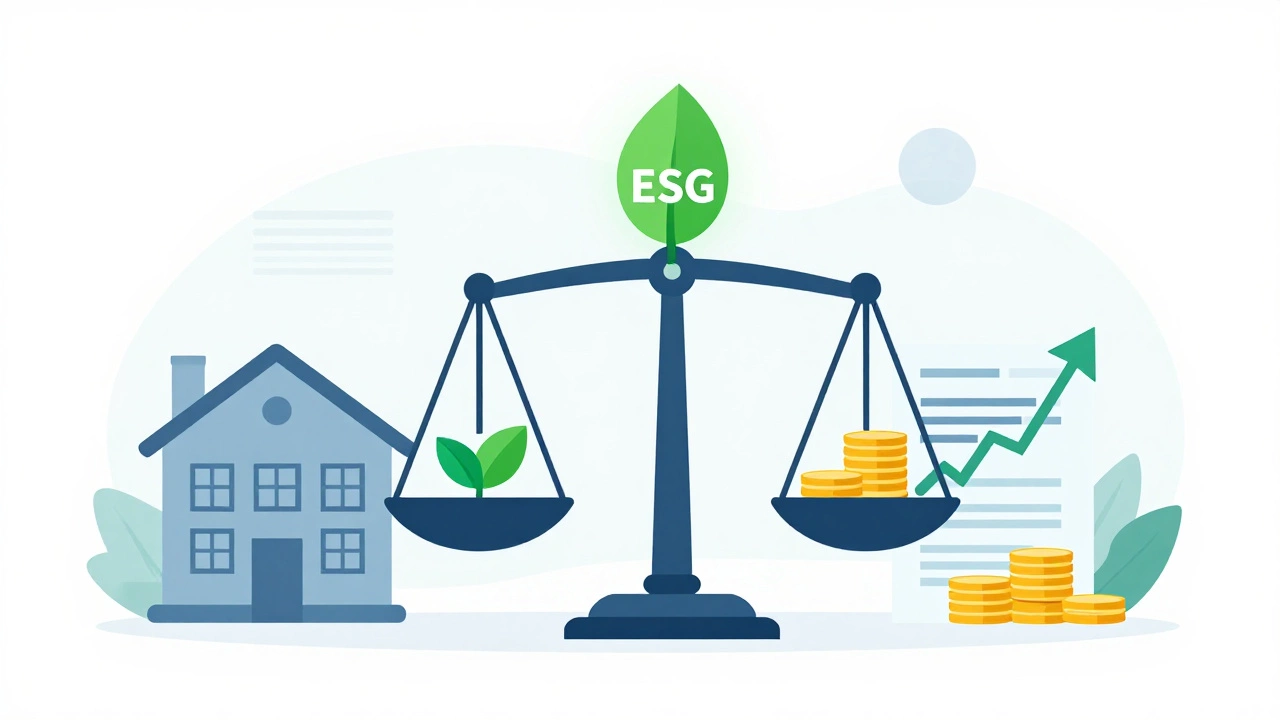
Legally, in most places, you are allowed to invest in anything that offers a solid return. However, there is a growing expectation-and sometimes a legal requirement-that charities consider the ethical implications of their investments. This is known as ESG (Environmental, Social, and Governance) investing.
If your trust supports clean water, and you invest in a company known for polluting rivers, you create a reputational risk. Donors might pull out. Volunteers might quit. The financial gain from the stock price doesn’t matter if the backlash destroys your fundraising ability.
My advice? Create an exclusion list. Decide early on which industries are off-limits based on your mission. Document this decision in your minutes. Then, use ESG-screened funds. These funds filter out bad actors while still giving you exposure to global markets. You don’t have to sacrifice returns to stay true to your values, but you do have to be intentional about it.
Risk Management: Don’t Put All Eggs in One Basket
Diversification is the only free lunch in investing. For a charitable trust, concentration risk is deadly. If you put all £50,000 into one tech stock, and that company crashes, your charity might have to shut down operations. That is not prudent.
You need a diversified portfolio. A simple rule of thumb for conservative charities is:
- 40% in fixed income (bonds, savings accounts) for stability.
- 40% in broad market equities (index funds) for growth.
- 20% in alternatives (property, cash reserves) for liquidity.
This mix smooths out the bumps. When stocks go down, bonds usually hold steady or rise. When inflation hits, property values tend to keep pace. The goal isn’t to maximize profit; it’s to minimize the chance of catastrophic loss.
Also, consider liquidity. How quickly can you turn an asset into cash? If your charity needs to pay staff salaries next month, you can’t afford to have all your money locked up in a commercial building that takes six months to sell. Keep at least six months of operating expenses in highly liquid cash or money market funds.
Creating an Investment Policy Statement (IPS)
Before you buy a single share, you need an Investment Policy Statement. This is a document that outlines exactly how your trust will invest. It protects you personally and ensures consistency even if trustees change over time.
Your IPS should include:
- Objectives: Are you seeking income to pay bills, or growth to build an endowment?
- Risk Tolerance: How much fluctuation can you stomach? If the market drops 20%, will you panic-sell?
- Ethical Guidelines: What sectors are excluded?
- Rebalancing Strategy: How often will you review the portfolio? (Annually is standard.)
- Decision-Making Process: Who approves new investments? Is it a majority vote? Do you need external advice?
Without an IPS, you are flying blind. If a trustee makes a risky bet that loses money, and there’s no written policy guiding that decision, regulators may view it as negligence. With an IPS, you can show you followed a reasoned, documented process.

When to Get Professional Help
You don’t need to be a Wall Street broker to manage charity finances, but you shouldn’t pretend to be one either. If your trust has less than £10,000, you might stick to high-yield savings accounts and government bonds. You can manage that yourself.
But once you cross £50,000, consider hiring a fee-only financial advisor who specializes in nonprofits. Why fee-only? Because commission-based advisors might push products that pay them more, not necessarily what’s best for your charity. A fee-only advisor has no conflict of interest.
They can help you navigate tax-efficient structures, such as using donor-advised funds or setting up separate trading companies if your charity wants to run a business alongside its charitable activities. They also handle the paperwork, ensuring you meet reporting requirements with bodies like HMRC or the IRS.
Avoiding Common Pitfalls
I’ve seen too many well-meaning trustees trip up on basic errors. Here are the biggest ones to avoid:
- Self-Dealing: Never invest charity money in your own business or property. Even if it’s a ‘good deal,’ it looks terrible and is often illegal. Keep personal and charitable finances strictly separate.
- Chasing Hot Tips: Just because your friend made money in AI stocks doesn’t mean your charity should jump in. Stick to your IPS.
- Ignoring Fees: High management fees eat into returns. Look for low-cost index funds rather than actively managed funds with 2% annual charges. Over 20 years, that 2% difference can cost you thousands.
- Short-Term Thinking: Investing is a marathon. Don’t check your portfolio every day. Set it, forget it, and review it annually.
Remember, the goal is not to get rich. The goal is to keep the lights on so you can serve your community. Every pound saved through smart investing is a pound that can go toward feeding the hungry, cleaning the oceans, or educating children.
Next Steps for Your Trust
If you’re ready to start, here is your action plan:
- Audit your current holdings. Where is the money now? Is it earning interest?
- Draft your Investment Policy Statement. Involve all trustees in this discussion.
- Define your ethical boundaries. What won’t you invest in?
- Choose a platform. Look for brokers that offer low fees and easy reporting for charities.
- Start small. Move a portion of your cash into a diversified fund. Monitor it for six months before committing more.
Investing for a charitable trust is less about beating the market and more about respecting the donor’s intent. They gave you resources to solve a problem. By managing those resources wisely, you honor their generosity and extend the life of your mission.
Can a charitable trust lose money?
Yes, any investment carries the risk of loss. However, trustees must mitigate this risk through diversification and prudent selection. Losing money due to market fluctuations is acceptable if the strategy was sound and documented. Losing money due to negligence or speculation is not.
Do charitable trusts have to pay tax on investment income?
In many jurisdictions, including the UK and US, registered charities enjoy tax exemptions on investment income, provided the investments are related to their charitable purposes. However, rules vary significantly by country and type of income (e.g., dividends vs. capital gains). Always consult a tax professional.
Can I invest charity money in cryptocurrency?
Technically, yes, but it is highly discouraged for most charitable trusts. Cryptocurrencies are extremely volatile and lack the regulatory oversight that protects investors. Regulators often view crypto as speculative gambling rather than prudent investing. Stick to regulated assets unless you have specialized expertise and explicit donor permission.
How much should a charity keep in cash?
A common rule of thumb is to keep 3 to 6 months of operating expenses in liquid cash or cash equivalents. This ensures you can cover payroll and rent even if donations slow down or investments dip in value. Anything beyond that reserve should be invested to beat inflation.
Who is responsible if the investments fail?
The trustees are collectively responsible. If they failed to follow their Investment Policy Statement or acted negligently, they could be held personally liable to restore the lost funds. If they acted prudently and followed their policy, they are generally protected even if the market performs poorly.