
Biotic vs Abiotic: The Two Groups of Things in Our Environment
 Sep, 10 2026
Ecosystem Classification Quiz
Challenge Your Understanding
Select whether the following items are Biotic (Living/Once-Living) or Abiotic (Non-Living).
Quiz Complete!
You scored out of .
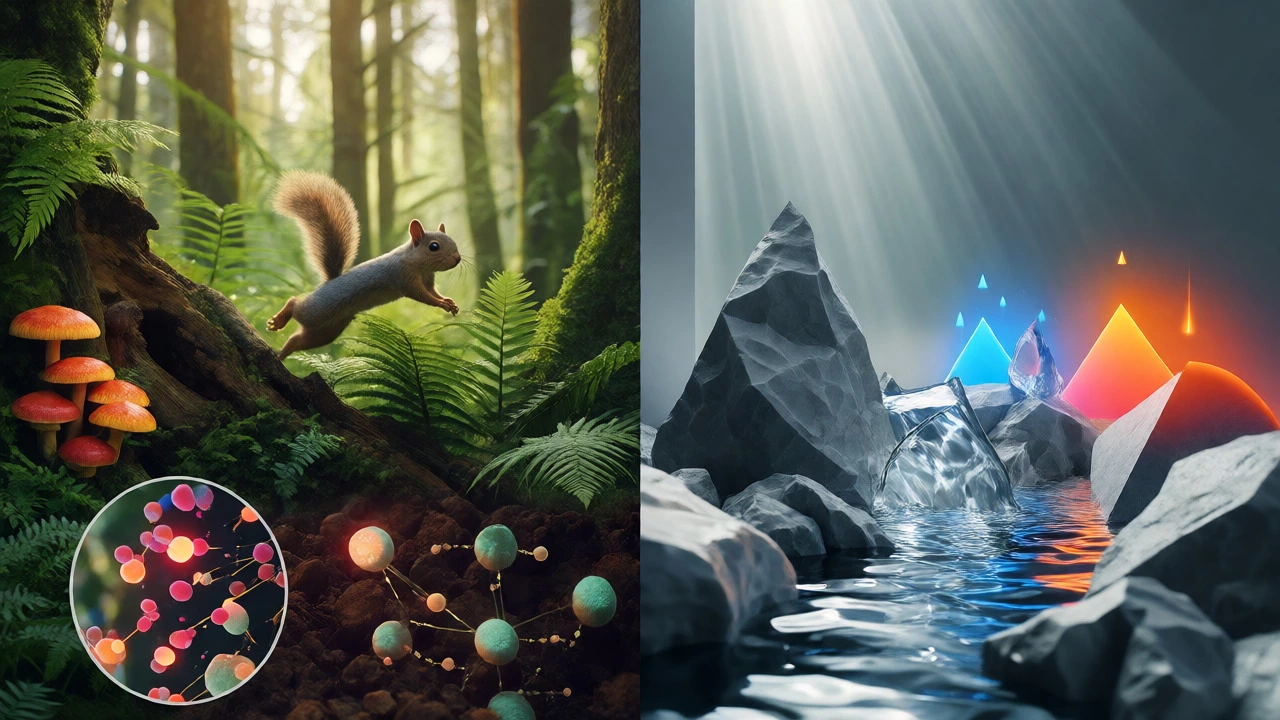
Walk outside right now. Look around. What do you see? Maybe a tree, a bird, the pavement, or the sky. It feels like one big messy mix, but nature actually sorts everything into two very distinct buckets. If you are trying to understand how an ecosystem works, you first need to grasp the fundamental split between living things (biotic factors) and non-living things (abiotic factors). This isn't just school science trivia; it is the basic code that runs our planet.
| Feature | Biotic Factors | Abiotic Factors |
|---|---|---|
| Definition | Living or once-living organisms | Non-living chemical and physical parts |
| Examples | Plants, animals, fungi, bacteria | Sunlight, water, temperature, soil |
| Growth | Yes, they grow and reproduce | No, they change state but don't grow |
| Lifespan | Born, live, die | Can persist indefinitely |
The Living World: Biotic Factors
Biotic factors are the living components of an environment. Think of anything that breathes, eats, grows, or reproduces. This group includes plants, animals, fungi, protists, and bacteria. Even dead leaves or fallen logs count as biotic because they were once alive. They still hold organic matter that other organisms use for energy.
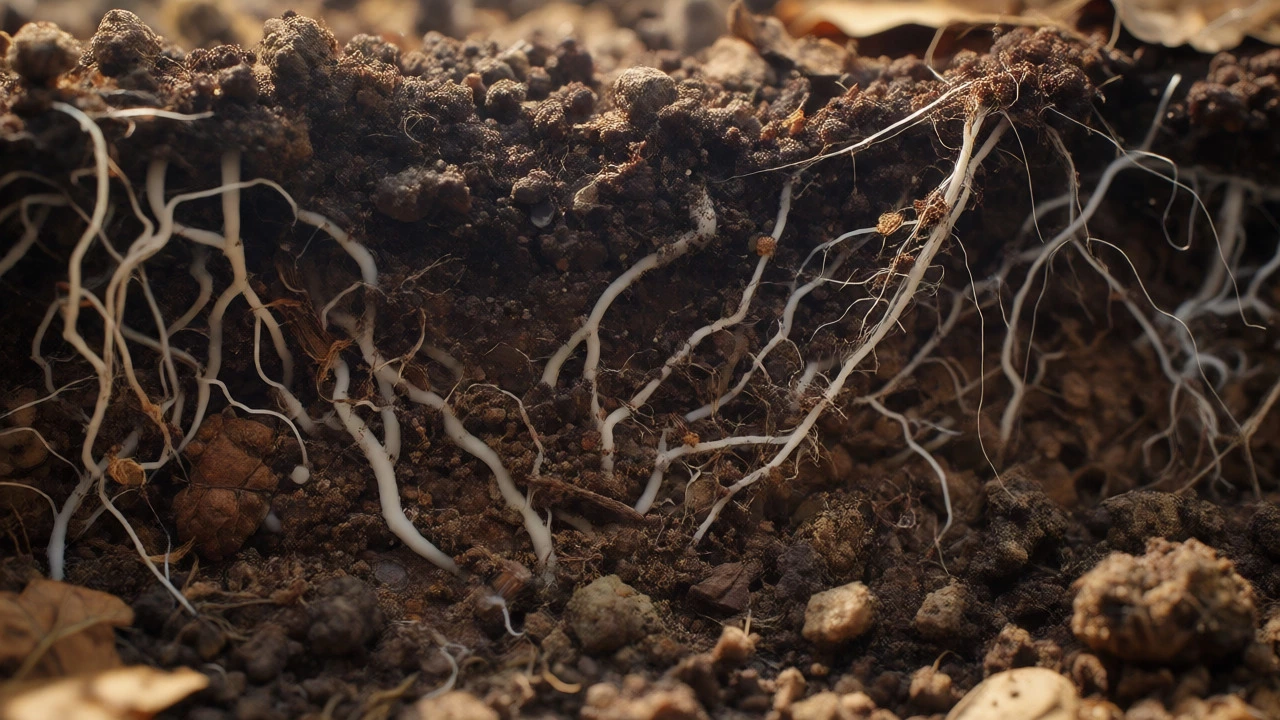
You might wonder why bacteria get their own mention. They are everywhere. A single teaspoon of garden soil contains billions of them. These microscopic players break down waste and recycle nutrients back into the earth. Without this biotic cleanup crew, forests would be buried under layers of undecomposed trash. Animals, from the smallest insect to the largest whale, rely on these processes too. Plants form the base of most food chains, turning sunlight into energy that herbivores eat, which carnivores then hunt. Every interaction-predation, competition, symbiosis-happens within this biotic network.
The Non-Living Framework: Abiotic Factors
If biotic factors are the actors on the stage, abiotic factors are the set, lighting, and weather conditions. These are the non-living elements that shape where life can exist. Sunlight, temperature, water availability, humidity, wind, soil composition, and pH levels all fall into this category. You cannot touch "temperature" in the same way you touch a rock, but it dictates whether a cactus survives in a desert or a fern thrives in a rainforest.
Consider water. It seems simple, but its quality and quantity define entire ecosystems. A river with high oxygen levels supports trout, while stagnant, warm water favors catfish. Soil is another critical abiotic factor. It’s not just dirt; it’s a mixture of minerals, air, and water. The texture of the soil determines which roots can penetrate it and how much water drains away. If the soil is too acidic, certain trees will struggle to absorb nutrients, even if plenty of water is available. These physical constraints act as filters, deciding who gets to live and who doesn’t.
How They Interact
Here is the tricky part: these two groups don't operate in silos. They constantly talk to each other. A drought (an abiotic shift) forces animals (biotic) to migrate or die. Conversely, a forest fire caused by lightning (abiotic) clears space for new plant growth (biotic). Humans often disrupt this balance. We pump carbon dioxide into the atmosphere (changing abiotic chemistry), which warms the planet, forcing polar bears (biotic) to swim further for ice.
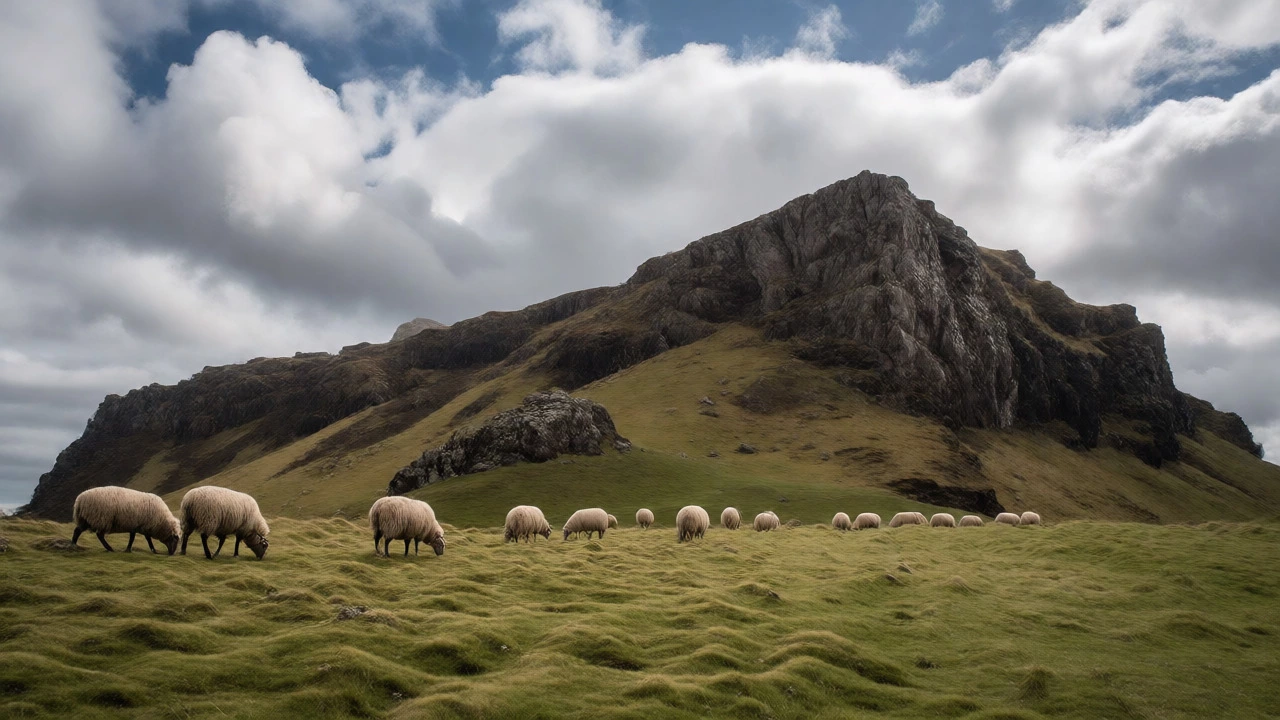
Let's look at a concrete example from here in Edinburgh. The Arthur's Seat hill has specific rocks (abiotic) that erode into particular types of soil. That soil supports heather and grasses (biotic). Those plants feed rabbits and sheep (biotic). The sheep graze, keeping the vegetation short, which allows ground-nesting birds to thrive. Change one variable-say, introduce heavy foot traffic that compacts the soil-and the whole chain wobbles. The abiotic pressure changes the biotic outcome.
Why This Distinction Matters
Understanding these two environmental groups helps us solve real problems. When conservationists try to save a species, they must look at both sides. Protecting the panda (biotic) means nothing if you don't preserve the bamboo forests (biotic) and the climate patterns (abiotic) that allow bamboo to grow. Pollution efforts focus heavily on abiotic factors: cleaning up toxic chemicals in water or reducing greenhouse gases in the air. But the goal is always biotic health: keeping people, wildlife, and crops alive.
For students or curious minds, this framework simplifies complex topics. Instead of memorizing every species, you learn the rules of the game. How does light affect photosynthesis? How does temperature affect metabolism? Once you see the pattern, predicting ecological outcomes becomes easier. It shifts your perspective from seeing random objects to seeing a connected system.
Common Misconceptions
People often forget that viruses blur the line. Are they biotic? They have genetic material but can't reproduce without a host. Most ecologists treat them as biotic agents because they evolve and interact with living cells. Another mistake is thinking abiotic factors are static. They aren't. Seasons change, tides shift, and volcanic eruptions happen instantly. These dynamic changes drive evolution and adaptation.
Also, don't ignore the role of humans. We are biotic entities, but our impact is often measured through abiotic changes. Our cities alter local temperatures (the urban heat island effect), change water runoff patterns, and introduce synthetic materials into the soil. Recognizing ourselves as part of the biotic group, responsible for altering the abiotic environment, is key to sustainable living.
Are dead things considered biotic or abiotic?
Dead things are generally considered biotic factors because they originated from living organisms. They contain organic matter and provide habitat or nutrients for other living creatures. For example, a fallen log is biotic because it was once a tree and now supports fungi and insects.
Can abiotic factors become biotic?
No, abiotic factors never become biotic. However, biotic factors can influence abiotic ones. For instance, plants release oxygen (a biotic action) which changes the atmospheric composition (an abiotic factor). The source remains distinct, but the effects intertwine.
Is water biotic or abiotic?
Water is strictly an abiotic factor. It is a non-living chemical compound essential for life, but it does not grow, reproduce, or metabolize on its own. Its properties, such as temperature and purity, directly impact the biotic community.
Which group is more important for survival?
Neither is more important; they are interdependent. Life cannot exist without suitable abiotic conditions, and abiotic environments are significantly shaped by biological activity. Removing either group collapses the ecosystem.
Do viruses count as biotic factors?
This is debated, but most ecologists classify viruses as biotic factors. Although they lack cellular structure and independent metabolism, they possess genetic material, evolve through natural selection, and interact dynamically with host organisms.