
Best After-School Snacks for Kids and Teens
 Oct, 1 2026
After-School Snack Energy Estimator
Select the components of your child's snack to see how well it supports sustained energy levels versus a quick sugar spike.
Snack Analysis
Score: 0/100You know that look. The one where your child walks through the door, backpack hitting the floor with a thud, eyes glazed over, looking like they’ve just run a marathon in slow motion. It’s 3:30 PM on a Tuesday, and the hunger is real. But what do you actually give them? If you hand them a bag of crisps or a chocolate bar, you might get ten minutes of silence followed by a sugar crash before homework even starts. Finding the best food to eat after school isn’t just about stopping the grumbling stomach; it’s about refueling their brains for clubs, study time, or just surviving the evening routine.
We’ve all been there, standing in front of an open fridge wondering if we have anything left that won’t result in a hyperactive kid or a bored teenager refusing to eat vegetables. The goal here is simple: provide sustained energy without the crash, keep it quick enough that they don’t spend twenty minutes cooking when they should be resting, and make sure it’s something they’ll actually eat. Because let’s face it, the healthiest kale smoothie in the world is useless if it ends up in the bin.
The Science of the After-School Slump
Why do kids feel so drained at 4 PM? It’s not just because math class was boring. By mid-afternoon, blood sugar levels often dip significantly. Lunch eaten at noon has long since worn off, especially if it was heavy on refined carbs like white bread or pasta. This drop in glucose affects concentration and mood. When you offer high-sugar snacks, you spike that blood sugar rapidly, giving a temporary burst of energy followed by a sharp decline. This rollercoaster makes it harder to focus during after-school activities or homework.
The sweet spot for post-school nutrition involves complex carbohydrates paired with protein and healthy fats. Complex carbs break down slowly, providing a steady stream of energy. Protein helps stabilize blood sugar and keeps you feeling full longer. Fats support brain function and satiety. Think of it as building a snack that acts like a slow-burning log rather than a handful of kindling. You want fuel that lasts until dinner, which might still be two or three hours away.
Quick Wins for Busy Weekdays
When you’re rushing from work to pick-up, you don’t have time to prepare a gourmet meal. You need options that take less than five minutes to assemble. Here are some reliable staples that hit the nutritional marks while being incredibly fast:
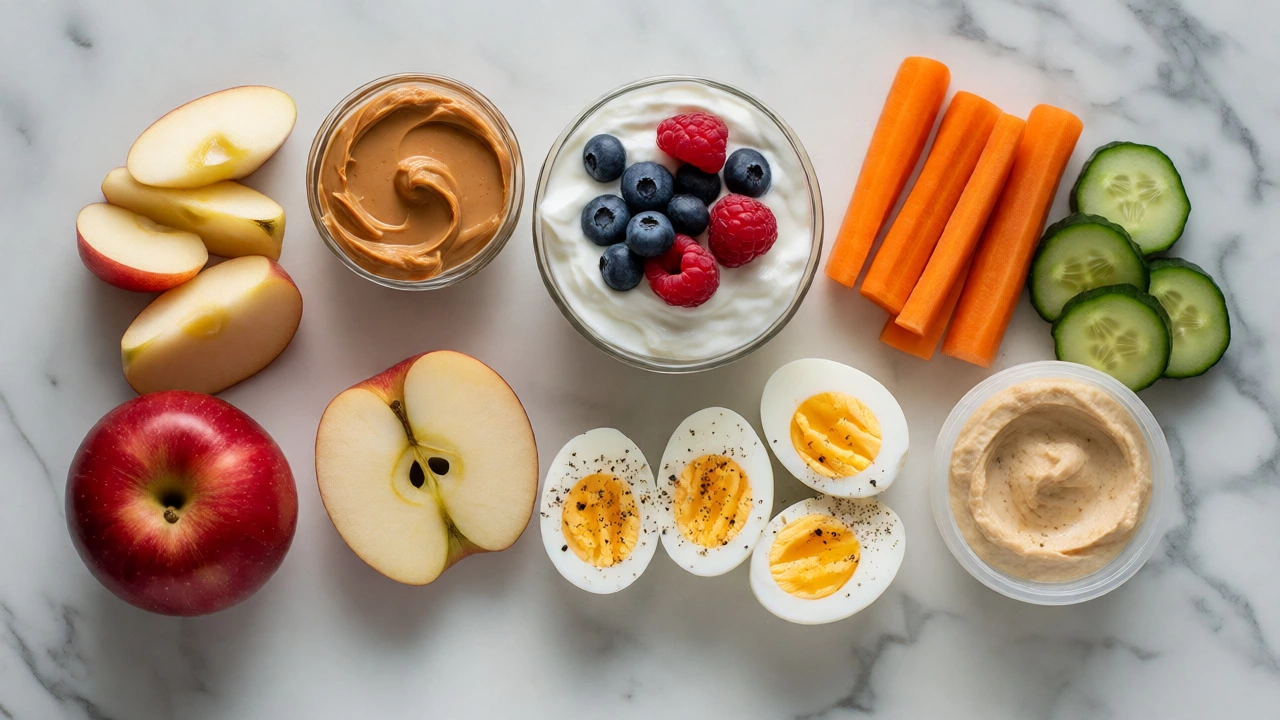
- Apple Slices with Peanut Butter: This classic combo works because the fiber in the apple slows down the absorption of sugars, while the fat and protein in peanut butter provide staying power. If your child has a nut allergy, sunflower seed butter is a great alternative that doesn’t taste like cardboard.
- Greek Yogurt with Berries: Plain Greek yogurt is packed with protein-often double that of regular yogurt. Adding fresh berries provides natural sweetness and antioxidants. Avoid the pre-flavored cups, which are often loaded with added syrups.
- Hummus and Veggie Sticks: Carrot sticks, cucumber slices, or bell pepper strips dipped in hummus offer crunch and hydration along with plant-based protein. It’s refreshing and hydrating, which is often overlooked but crucial after a day indoors.
- Hard-Boiled Eggs: If you boil a batch on Sunday, you have instant protein bombs ready to go. Sprinkle a little salt and pepper, and most kids will devour them. They’re portable, require no prep, and are incredibly satiating.
These options aren’t just convenient; they’re designed to prevent the "hangry" meltdown. A hard-boiled egg takes thirty seconds to peel. An apple needs zero preparation if you buy pre-washed bags. Efficiency matters when everyone is tired.
Balancing Taste and Nutrition
Let’s be honest: if it tastes bad, it doesn’t exist. Parents often struggle with the perception that healthy means bland. That’s a myth. You can make nutritious snacks exciting by playing with textures and flavors. For instance, instead of plain rice cakes, try topping them with mashed avocado and a sprinkle of everything bagel seasoning. The creaminess of the avocado contrasts with the crunch of the cake, and the savory seasoning makes it feel like a treat rather than a chore.
| Snack Option | Preparation Time | Main Benefit | Potential Pitfall |
|---|---|---|---|
| Fruit & Nut Mix | 0 mins (if pre-bagged) | Portable, balanced macros | Nuts can be choking hazard for young kids; high calorie density |
| Smoothies | 5-10 mins | Hydrating, easy to hide veggies | Can become sugar-heavy if too much juice is used |
| Cheese & Crackers | 2 mins | Familiar comfort food | Crackers are often low-nutrient refined carbs |
| Overnight Oats | Prep night before | High fiber, customizable | Requires planning ahead |
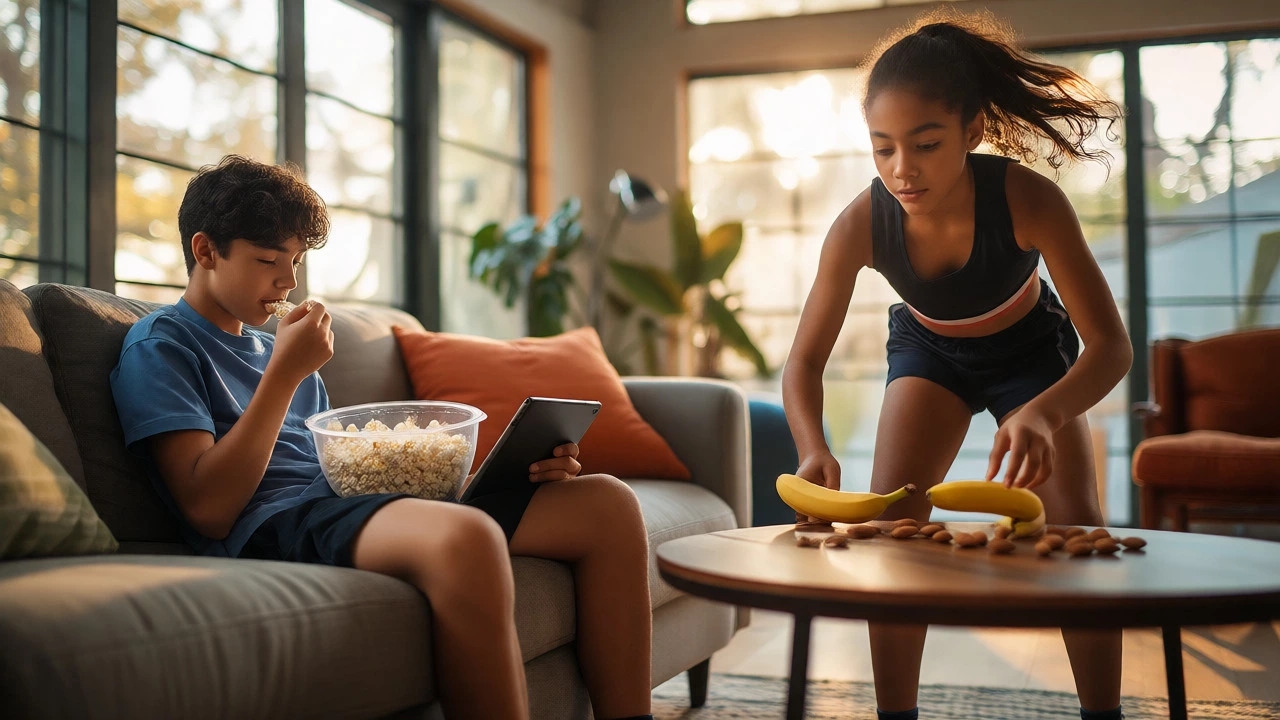
| Popcorn | 3-5 mins | Whole grain, high volume | Butter/salt overload turns it into junk food |
This table highlights how different snacks fit into various lifestyles. If you have a teen who refuses to sit down, popcorn is a winner because it’s voluminous and satisfying to munch on while scrolling through phones. For a younger child who needs a seated break, overnight oats prepared the night before offer a comforting, warm-ish texture if microwaved briefly, or cold if preferred.
Snacking for After-School Clubs
If your child stays late for football practice, drama club, or coding camp, their snack strategy needs to change. They need easily digestible energy that won’t cause cramps during physical activity or sluggishness during mental tasks. Heavy meals are out. Portable, non-messy foods are in.
For sports, bananas are nature’s energy gel. They’re rich in potassium, which helps prevent muscle cramps, and provide quick carbs for immediate fuel. Pairing a banana with a small handful of almonds adds the necessary protein to repair muscles afterward. For mental-focused clubs like chess or debate, dark chocolate squares (70% cocoa or higher) contain flavonoids that improve blood flow to the brain. Just one or two squares can sharpen focus without the jittery effects of caffeine.
Avoid sugary sports drinks unless they’re doing intense exercise for more than an hour. Water is usually sufficient. However, if they’re sweating heavily, a homemade electrolyte drink made with water, a pinch of salt, and a splash of orange juice is cheaper and healthier than commercial brands filled with dyes.
What About Processed Foods?
It’s tempting to grab a packet of biscuits or a fruit roll-up because it’s easy and cheap. But look at the label. Many "healthy" snacks are marketing traps. Fruit roll-ups are essentially candy with a vitamin C claim. Granola bars often contain as much sugar as a chocolate bar. Check the ingredient list: if sugar is in the first three ingredients, put it back.
That said, perfection isn’t the goal. Consistency is. If your child eats a slightly processed granola bar once a week, it’s fine. It’s the daily reliance on empty calories that leads to energy crashes and poor nutrient intake. Aim for the 80/20 rule: 80% whole foods, 20% treats. This approach prevents burnout for both parent and child. You don’t need to ban cookies; just ensure they’re part of a broader pattern of good eating.
Involving Kids in the Choice
One of the biggest hurdles is resistance. If you force a snack they hate, they’ll starve themselves until dinner. Involve them in the decision-making process. Let them choose between two healthy options. "Do you want an apple with cheese or yogurt with granola?" Giving them agency reduces power struggles. It also teaches them to listen to their body’s hunger cues rather than emotional eating triggers.
Experimentation helps too. Try making homemade trail mix together. Let them pick the nuts, seeds, and dried fruits. Ownership increases the likelihood they’ll eat it. Plus, it’s a fun activity that doubles as a lesson in nutrition without feeling like a lecture.
How soon after school should my child eat?
Ideally, within 30 to 60 minutes of arriving home. Waiting too long can lead to overeating at dinner or extreme fatigue. Eating shortly after school helps stabilize blood sugar and provides energy for afternoon activities.
Is it okay to skip the after-school snack?
Not always. If lunch was very large and contained substantial protein and fat, skipping might be fine. However, most children’s lunches are insufficient to last until dinner. Skipping often results in a 'hangry' episode or excessive snacking later in the evening.
What are good snacks for picky eaters?
Start with familiar textures. Smoothies allow you to blend spinach into banana and milk without changing the taste much. Cheese cubes, crackers with mild cheddar, or plain yogurt with honey are often accepted. Gradually introduce new flavors alongside safe foods.
Are energy bars good for kids?
Many commercial energy bars are high in sugar and artificial additives. Look for bars with whole-food ingredients like nuts, seeds, and dates, with less than 5g of added sugar per serving. Homemade oat bars are often a better choice.
How much water should they drink with snacks?
Dehydration mimics hunger. Encourage drinking a glass of water before offering food. Sometimes, thirst is mistaken for hunger. Proper hydration supports digestion and cognitive function, making it a critical part of the after-school routine.