
Best After School Club Food Ideas: Healthy, Easy, and Kid-Approved Snacks
 Nov, 15 2026
After-School Snack Planner
Plan the perfect snack break in seconds. Filter by dietary needs and get instant recommendations based on nutritional balance and ease of preparation.
Select Your Constraints
Budget & Logistics Checklist
- ✅ Buy bulk produce (apples, carrots) instead of pre-packaged.
- ✅ Use "ugly" produce for baking or smoothies to save costs.
- ✅ Label all bowls clearly (e.g., "Contains Dairy").
- ✅ Keep a shelf-stable backup (rice cakes/fruit pouches) for new attendees.
You’ve got twenty minutes between the last bell and pickup time. The kids are hungry, the budget is tight, and you need something that won’t cause a sugar crash or an allergic reaction panic. Sound familiar? Finding the right after school club food isn’t just about filling stomachs; it’s about keeping energy levels steady so they can actually enjoy the activities you’ve planned.
If you’re running a program in Edinburgh or anywhere else, you know the struggle. You want nutritious options, but you also have to deal with picky eaters, limited fridge space, and parents who worry about nut allergies. This guide cuts through the noise. We’ll look at what actually works, how to keep costs down, and why some popular "healthy" choices might be missing the mark.
The Golden Rules of After-School Nutrition
Before we list specific foods, let’s talk strategy. Kids coming from school have likely been sitting all day. They need fuel that provides sustained energy, not a quick spike followed by a slump. Think of their bodies like cars-they need high-octane fuel, not cheap gas that makes the engine sputter.
The magic formula here is pairing complex carbohydrates with protein or healthy fats. A plain apple gives you a quick hit of sugar. An apple with peanut butter (or sunflower seed butter) slows down digestion, keeping them full longer. This combination stabilizes blood sugar, which means fewer meltdowns during homework help or sports practice later on.
- Avoid Ultra-Processed Foods: Check labels. If the ingredient list looks like a chemistry experiment, skip it. High sodium and hidden sugars lead to thirst and hyperactivity.
- Hydration First: Often, hunger is actually dehydration. Always offer water before handing out snacks.
- Allergy Awareness: In the UK, Natasha’s Law requires clear labeling for pre-packed foods. Even if you make fresh sandwiches, keep a strict no-nut policy if your venue doesn’t allow them.
Top 5 Reliable Snack Categories
Let’s get practical. Here are five categories of food that consistently work well in after-school settings, balancing ease of preparation with nutritional value.
1. The "Dip and Crunch" Station
This is a crowd-pleaser because it turns eating into an activity. Kids love dipping things. It gives them control over how much they eat, which reduces waste.
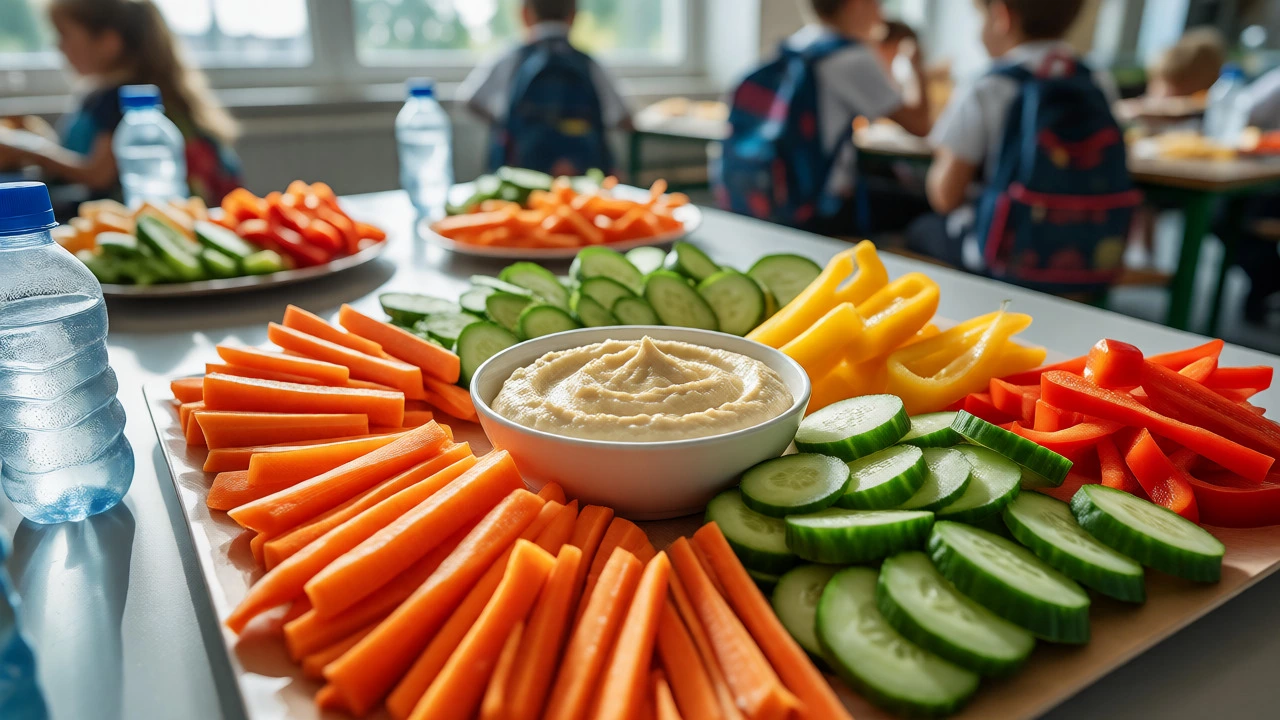
Hummus and Vegetable Sticks is a staple. Hummus is a chickpea-based dip rich in fiber and plant-based protein. Pair it with carrot sticks, cucumber rounds, and bell pepper strips. Why does this work? The crunch satisfies sensory needs, while the hummus provides satiety. It’s naturally vegan and gluten-free, covering most dietary restrictions without extra effort.
Pro Tip: Pre-cut veggies in bulk on Sunday. Store them in water-filled containers to keep them crisp until Wednesday afternoon when the club runs.
2. Whole Grain Carbs with Toppings
Sandwiches are fine, but they can get messy and boring. Try open-faced options instead. They use less bread, reducing waste, and allow kids to customize their meal.
Use wholemeal crackers or rice cakes. Top them with mashed avocado, cottage cheese, or turkey slices. Avocado offers healthy monounsaturated fats, crucial for brain development. Cottage cheese is packed with casein protein, which digests slowly. This keeps kids fueled through evening activities.
3. DIY Yogurt Parfaits
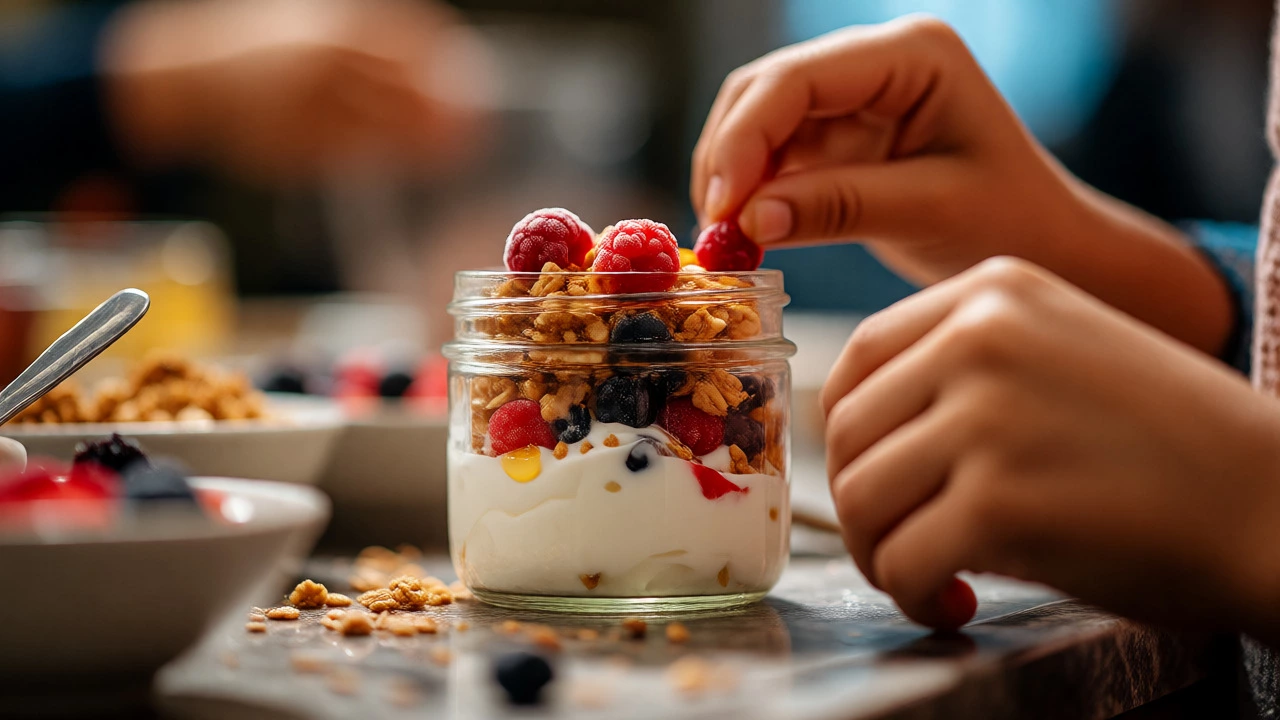
Set up a bar with Greek yogurt, granola, and berries. Let kids layer their own. This engages them and makes them more likely to eat what they’ve made.
Greek yogurt has twice the protein of regular yogurt. Choose low-sugar versions to avoid hidden calories. Add frozen berries instead of fresh ones-they’re cheaper, last longer, and act as natural ice cubes, keeping the yogurt cool in warm classrooms.
4. Energy Balls (No-Bake Bites)
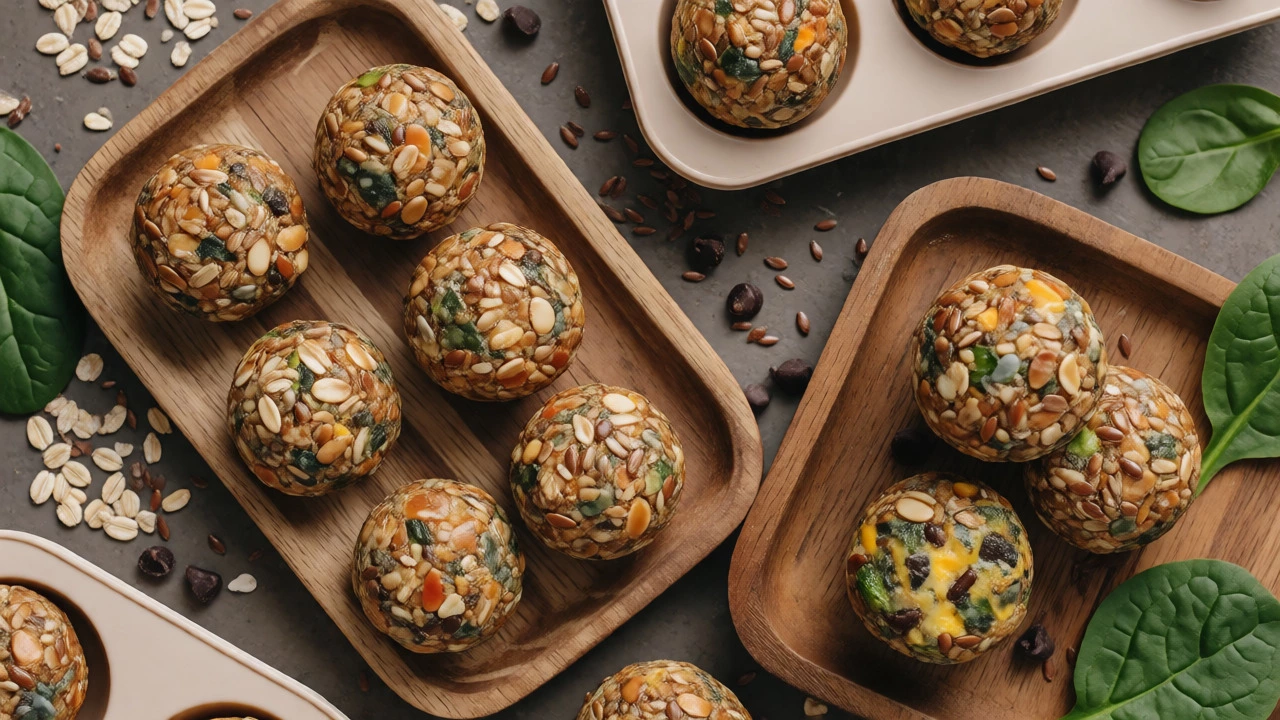
These are lifesavers for busy coordinators. Mix oats, honey, ground flaxseed, and dark chocolate chips. Roll them into balls and refrigerate. They hold up well in backpacks and don’t require heating.
Unlike store-bought cereal bars, which often contain corn syrup and palm oil, homemade energy balls give you full control over ingredients. They’re portable, non-perishable for a few hours, and feel like a treat despite being nutrient-dense.
5. Savory Muffins or Frittata Cups
Bake ahead. Egg muffins with spinach and feta are excellent. They’re high-protein, low-carb, and easy to grab. One egg muffin contains about 6 grams of protein and essential choline, which supports cognitive function.
Make them in silicone molds for easy removal. Freeze leftovers and reheat them in a microwave-safe container. This option feels substantial enough to count as a mini-meal for kids who missed lunch or had a light breakfast.
Comparison: Smart Swaps for Common Snacks
It’s tempting to buy the big tub of pretzels or the box of fruit snacks. But look at the trade-offs. Here’s how common choices stack up against better alternatives.
| Common Snack | Nutritional Drawback | Better Alternative | Benefit |
|---|---|---|---|
| Fruit Snacks/Gummies | High sugar, zero fiber, sticky teeth | Fresh Apple Slices + Cinnamon | Natural sweetness, fiber aids digestion |
| Pretzels | Refined carbs, high sodium, low satiety | Wholegrain Crackers + Cheese | Complex carbs, calcium, protein balance |
| Cereal Bars | Often disguised candy, artificial colors | Homemade Oat & Banana Bites | No additives, customizable texture |
| Flavored Milk | Added sugars, lactose issues for some | Water + Fruit Infusion | Hydration without sugar crash |
Budgeting and Logistics for Club Leaders
You don’t need a Michelin-star kitchen. You need efficiency. Most after-school clubs operate on shoestring budgets. Here’s how to stretch every pound.
Buy in Bulk, Not Brand: Skip the single-serving packs. Buy large blocks of cheese and cut them yourself. Large bags of apples are cheaper than pre-packaged boxes. Yes, it takes ten minutes to slice, but you save 30% per serving.
Leverage Local Suppliers: Many local bakeries donate day-old bread or pastries. Ask around. In Edinburgh, places like Makars Gourmet Marshmallow Co. or local bakers often have surplus stock. Building relationships with local vendors can yield free or discounted goods.
The "Ugly" Produce Hack: Supermarkets sell imperfect fruits and vegetables at a discount. Bananas with brown spots are perfect for baking or smoothies. Bruised apples still taste great sliced up. Use these for your baked goods or purees.
Managing Allergies and Dietary Needs
Ignoring allergies is a lawsuit waiting to happen. Worse, it excludes children from participating fully. Create a simple system.
- Collect Data Early: At registration, ask specifically about nuts, dairy, gluten, and eggs. Don’t rely on memory.
- Label Everything: Even if you make it yourself, put a small sign on the bowl: "Contains Dairy," "Gluten-Free," etc.
- Separate Utensils: Use color-coded tongs for different trays to prevent cross-contamination.
- Have a Backup Plan: Always keep a shelf-stable, allergy-friendly option like fruit pouches or rice cakes on hand for new attendees whose forms haven’t arrived yet.
In the UK, schools and clubs must adhere to strict safety standards. Ensure any staff handling food has basic hygiene training. It’s not just about rules; it’s about trust. Parents send their kids to you because they believe you care about their health.
Engaging the Kids: Make Food Fun
Kids reject food that feels imposed. Give them agency. Involve them in the selection process. Hold a monthly "Snack Vote." Put three healthy options on the board and let them choose next week’s treat.
Try themed days. "Rainbow Day" encourages eating colorful fruits and veggies. "Build Your Own Trail Mix" lets them combine nuts (if allowed), seeds, dried fruit, and chocolate chips. When kids help prepare the food, they’re 40% more likely to try new items, according to educational psychology research on student engagement.
Consider starting a small gardening project. Growing radishes or cherry tomatoes in window boxes teaches patience and biology. Then, harvesting and eating them closes the loop. It connects Food Security with educational outcomes, showing kids where their fuel comes from.
What to Avoid: The Trap of Convenience
We’ve all grabbed the bag of crisps because it was easy. But convenience often costs us in behavioral terms. Salty snacks make kids thirsty, leading to more bathroom breaks and less time playing. Sugary drinks cause hyperactivity followed by fatigue.
Avoid these common pitfalls:
- Choking Hazards: Whole grapes, popcorn, and hard candies are dangerous for younger children (under 5). Cut grapes lengthwise.
- Temperature Issues: Don’t serve hot soup unless you have proper bowls and spoons. Spills happen. Stick to room-temperature or cold foods unless you have a dedicated dining area.
- Portion Distortion: Handing out unlimited biscuits leads to overeating. Serve measured portions. It teaches moderation without being restrictive.
Sample Weekly Menu Plan
To make this actionable, here’s a simple rotation you can copy. It varies textures and flavors to prevent boredom.
| Day | Main Snack | Side/Beverage | Prep Time |
|---|---|---|---|
| Monday | Apple Slices with Sunflower Seed Butter | Water | 10 mins |
| Tuesday | Egg Muffins (Spinach & Cheese) | Milk or Water | Baked ahead |
| Wednesday | Hummus & Veggie Sticks | Infused Water (Lemon/Mint) | 15 mins |
| Thursday | DIY Yogurt Parfait Bar | Water | Setup only |
| Friday | Homemade Energy Balls | Water | Baked ahead |
This plan ensures variety without overwhelming you. Monday and Wednesday are fresh prep days. Tuesday and Friday are reheated or ready-made. Thursday is assembly-only. It balances workload across the week.
Final Thoughts: Start Small, Iterate Fast
You don’t need to overhaul your entire snack policy overnight. Pick one swap. Replace the sugary cereal bars with homemade oat bites. See how the kids react. Did they finish them? Did they complain? Adjust based on feedback.
Remember, the goal isn’t perfection. It’s providing consistent, safe, and reasonably healthy fuel that supports learning and play. When kids are fed well, they behave better, learn faster, and leave the club happier. And honestly, that makes your job easier too.
How do I handle nut allergies safely?
The safest approach is a strict nut-free policy for shared snacks. Use sunflower seed butter or soy nut butter as alternatives. Always check labels for "may contain traces of nuts" warnings. Keep antihistamines accessible and ensure staff know the emergency action plan for each child with severe allergies.
What are the cheapest healthy snack options?
Bananas, carrots, cucumbers, and boiled eggs are among the most cost-effective nutritious snacks. Buying seasonal produce in bulk and preparing it yourself significantly lowers costs compared to pre-packaged items. Frozen berries are also cheaper than fresh and equally nutritious.
Can I serve hot food in an after-school club?
Yes, but it requires logistics. You need access to a microwave or oven, appropriate crockery, and supervision to prevent burns. Hot soups or pasta pots work well if you have a designated eating area. For casual settings, stick to room-temperature foods like wraps, cheese, and fruit to minimize risk and cleanup.
How much food should I provide per child?
Aim for a snack containing approximately 150-200 calories. This usually includes one serving of fruit/veg, one serving of protein/dairy, and one grain. For example, one apple, two tablespoons of dip, and four crackers. Adjust portions based on age and activity level; older teens may need double the portion size.
What drinks are best for after-school clubs?
Water is always the best choice. It hydrates without adding sugar or caffeine. If you offer milk, choose semi-skimmed or fortified plant-based milks. Avoid sodas, energy drinks, and heavily sweetened juices, as they contribute to dental decay and hyperactivity.