
5 C's of Engagement: How to Build Strong Community Connections
 Feb, 5 2026
When community leaders talk about effective outreach, they often refer to the 5 C's of engagementA framework for community outreach centered on Clarity, Connection, Collaboration, Commitment, and Celebration.. These principles turn passive observers into active partners. Without them, even well-meaning efforts can fall flat.
Clarity: Setting the Foundation
Clarity is the bedrock of engagement. Without clear goals and expectations, community efforts get muddled. People need to understand why their input matters and how it will be used. A Chicago food bank discovered this when they restructured their donation process. They created a simple chart showing exactly how each dollar would be used-$1 = 3 meals. This transparency doubled donor participation. When you're clear about the 'why' and 'how', people feel confident contributing.
Connection: Building Trust First
Connection means building genuine relationships before asking for help. It's not about transactions-it's about people. In Seattle, a community garden project began with weekly coffee chats at a local café. These informal conversations uncovered unspoken needs, like safer playgrounds and shaded seating areas. By listening first, organizers designed a garden that truly served the neighborhood. Connection turns strangers into partners.
Collaboration: Working as Equals
Collaboration happens when community members co-create solutions, not just receive them. In Austin, city officials formed a working group with riders, drivers, and small business owners to improve public transit. Together, they designed dedicated bus lanes and real-time tracking apps, reducing wait times by 20%. This approach ensures solutions fit real-world needs. Collaboration isn't a buzzword-it's a practice.

Commitment: Going the Distance
Commitment means sticking with the community long-term. A youth mentorship program in Detroit initially ran for just three months. Participants dropped out quickly. After committing to a year-long program with monthly check-ins and skill-building workshops, retention rates jumped to 85%. Short-term fixes rarely work. True engagement requires sustained effort.
Celebration: Recognizing Progress
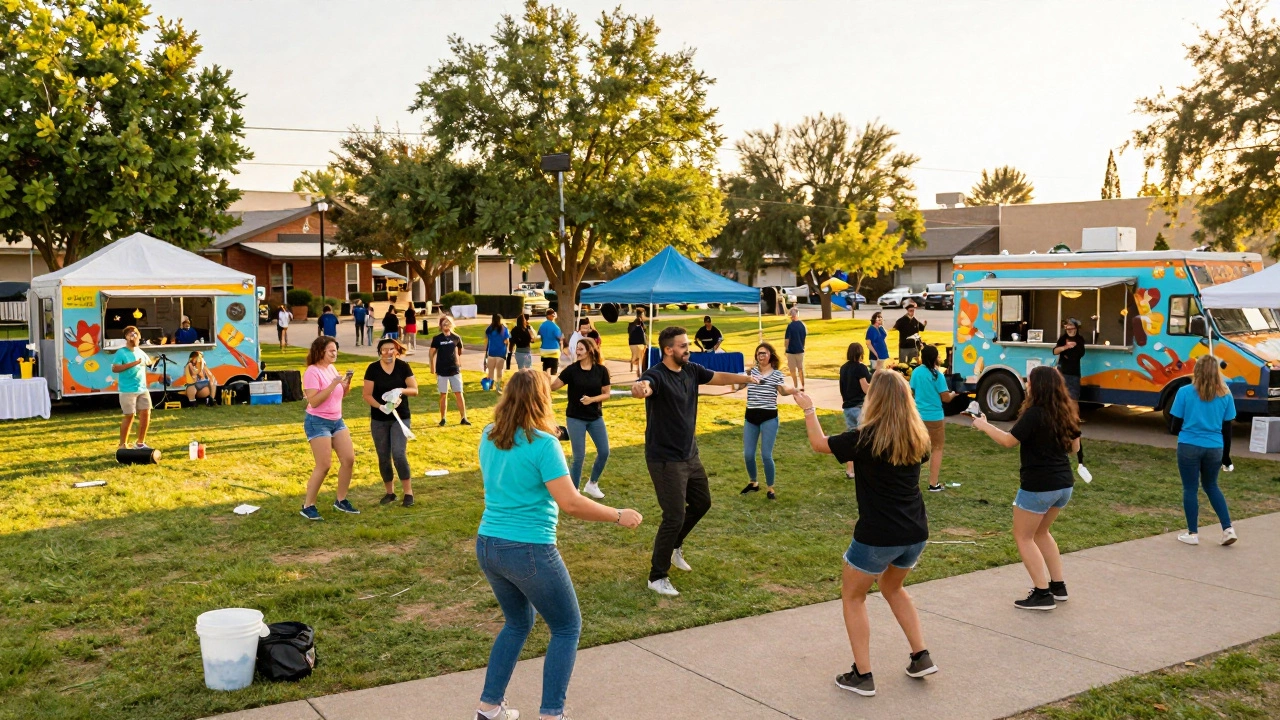
Celebration keeps people engaged by acknowledging contributions. After completing a neighborhood cleanup in Phoenix, the group held a small festival with local food trucks and music. Volunteers were recognized by name, and photos of the transformed park were shared. This celebration kept 90% of participants engaged for the next project. Recognition fuels ongoing involvement.
Why All Five Matter Together
These C's work best as a system. Without clarity, connection efforts get muddled. Without collaboration, commitment feels one-sided. And without celebration, people lose motivation. When used together, the 5 C's create a cycle of trust and action. Imagine a school district using all five: clear goals for student programs, building relationships with parents, co-designing curricula, committing to long-term support, and celebrating student achievements. That's how real change happens.
Practical Steps to Apply the 5 C's
- Start with clear goals: Define exactly what you want to achieve and why.
- Listen before you lead: Hold informal conversations to understand community needs.
- Invite co-creation: Include community members in planning and decision-making.
- Plan for longevity: Design programs that last beyond one-off events.
- Publicly acknowledge contributions: Celebrate successes with recognition and gratitude.
What's the difference between collaboration and connection in the 5 C's?
Connection builds trust through personal relationships, like chatting with neighbors at a coffee shop. Collaboration is when community members actively co-create solutions, such as a park redesign committee. Connection comes first; collaboration follows.
How do you measure engagement success?
Success isn't just about numbers-it's about quality. Track participation rates, but also ask: Are community members leading initiatives? Do they feel heard? In a recent food bank project, engagement success meant 70% of volunteers returned for multiple events, and 90% of participants felt their input shaped the program.
What if the community isn't responsive to outreach efforts?
Start small and build trust. A neighborhood in Detroit tried a large town hall meeting but got little turnout. They shifted to door-to-door conversations and found residents wanted simpler, more frequent check-ins. Sometimes, the issue isn't community apathy-it's mismatched methods. Listen, adapt, and try again.
Can the 5 C's apply to online communities?
Absolutely. An online forum for parents used Clarity by stating clear rules for discussions. Connection happened through weekly virtual coffee chats. Collaboration included co-creating a parenting resource guide. Commitment meant regular updates on forum improvements. Celebration featured member spotlights. These steps built a thriving online community.
How do you handle conflicts during collaborative projects?
Conflict is natural. In a community garden dispute in Seattle, organizers used Clarity to restate shared goals and Collaboration to involve all parties in problem-solving. They held a structured workshop where everyone shared concerns, then co-created a compromise. The result? A garden that met everyone's needs and stronger relationships.